Chicago might buy its downtown intercity bus station. This move could save the facility from an uncertain future. The current owner, Twenty Lake Holdings, wants to sell or redevelop the property.
The station is currently used under a month-to-month lease by FlixBus, which owns Greyhound.
Why the Station Matters
Greyhound's former owner sold the bus company but kept most of its real estate. This led to many downtown bus stations closing in cities like Charlottesville, Virginia, and Jackson, Mississippi. These closures often left travelers with less convenient curbside stops.
We're a new kind of news feed.
Regular news is designed to drain you. We're a non-profit built to restore you. Every story we publish is scored for impact, progress, and hope.
Start Your News DetoxWhen the Chicago station's lease ended in 2024, there were fears it would face the same fate. Chicago's bus routes connect travelers across the Midwest, much like O'Hare Airport and Union Station serve as major hubs.
Kyle Lucas, Executive Director of Better Streets Chicago, said his group pushed the city to act. Joseph Schwieterman from DePaul University's Chaddick Institute noted that city officials were initially slow to respond.
A Plan for Public Ownership
The Chicago Department of Planning and Development wants to expand a tax increment financing (TIF) district to include the bus station. Lucas believes there are enough funds in this TIF to buy and renovate the station.
A series of government actions will decide the station's future. The Chicago Community Development Commission will hold a hearing in April. Then, the city council will introduce the TIF amendment. In May, the city council's finance committee will vote on it. The full city council could then approve the purchase.
Kai Boysan, CEO of Flix North America, said a city-supported terminal would offer stability for bus operators. He noted that public investment shows intercity buses are a key part of transportation. It also ensures a safe, central, and well-kept facility for passengers.
Renovation Ideas
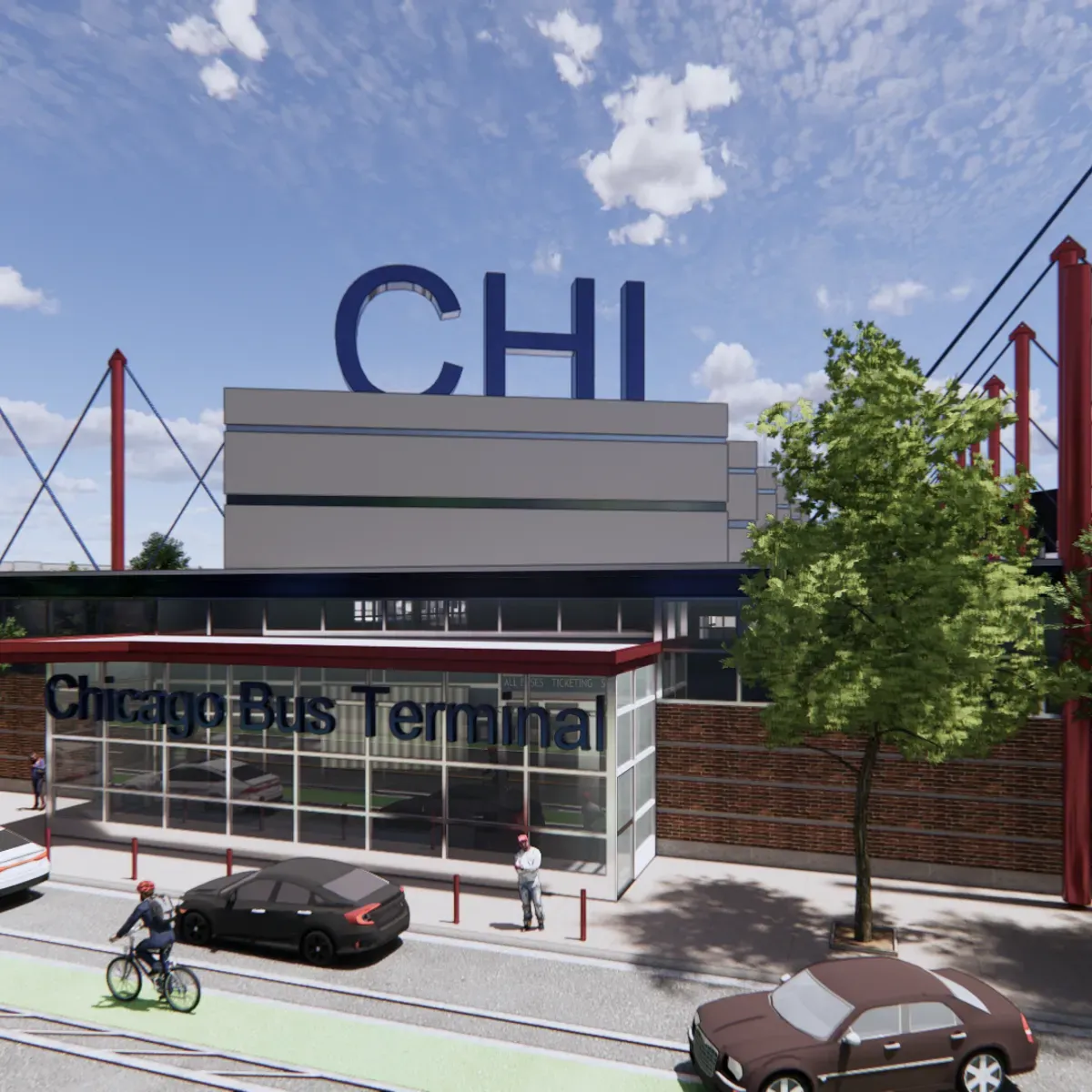
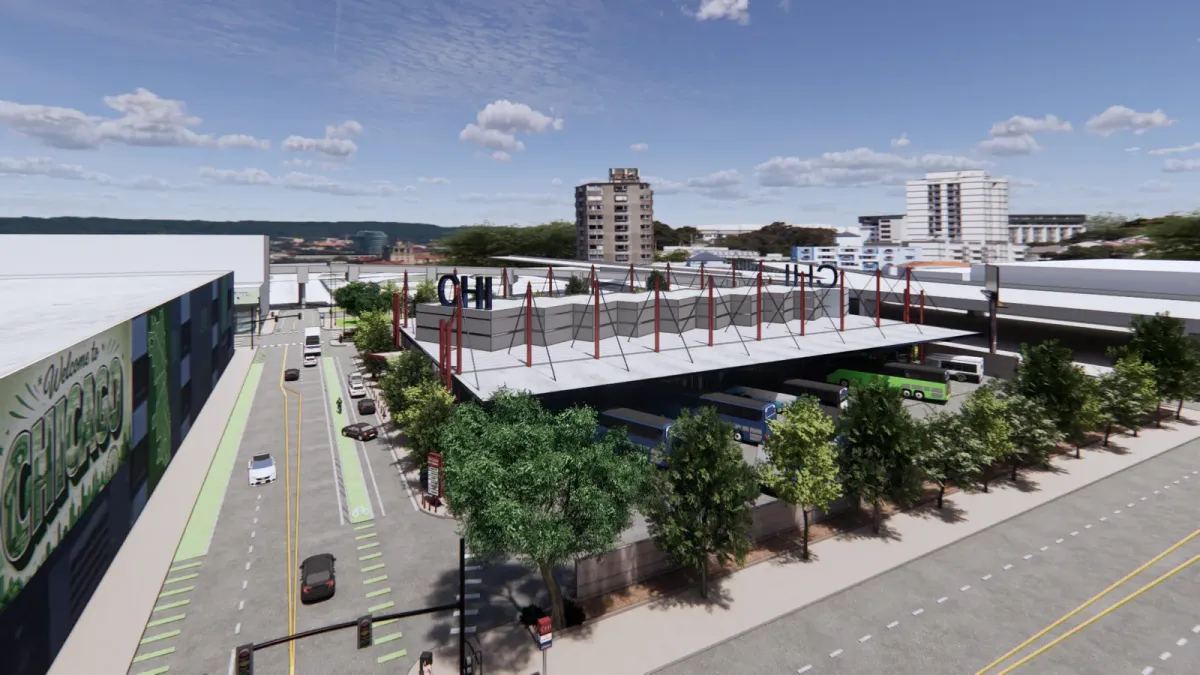
The Chaddick Institute asked urban planner Nathale Nicoletti to create renovation ideas. She said the 1989 structure is "beautiful" but "getting old."
Her designs include a new glass entrance, better signage, and street art. The street would also get a bike lane and a pickup/drop-off lane for ride-hailing and taxis. Schwieterman said these renovations could be done with a "reasonable amount of money."
The terminal serves FlixBus, Greyhound, Jefferson Lines, and Barons Bus. Schwieterman suggested that airport shuttle operators might also use the downtown station if the city takes it over.
The bus terminal is about a 15-minute walk from Amtrak's Chicago Union Station, which is also being upgraded. The Chicago Transit Authority’s Blue Line Clinton station is a five-minute walk away.
Boysan emphasized that passengers benefit most from well-managed, central transportation hubs with good connections to local transit. If Chicago buys and renovates the station, it will join cities like Atlanta, Boston, New York City, and Los Angeles in modernizing downtown bus terminals.