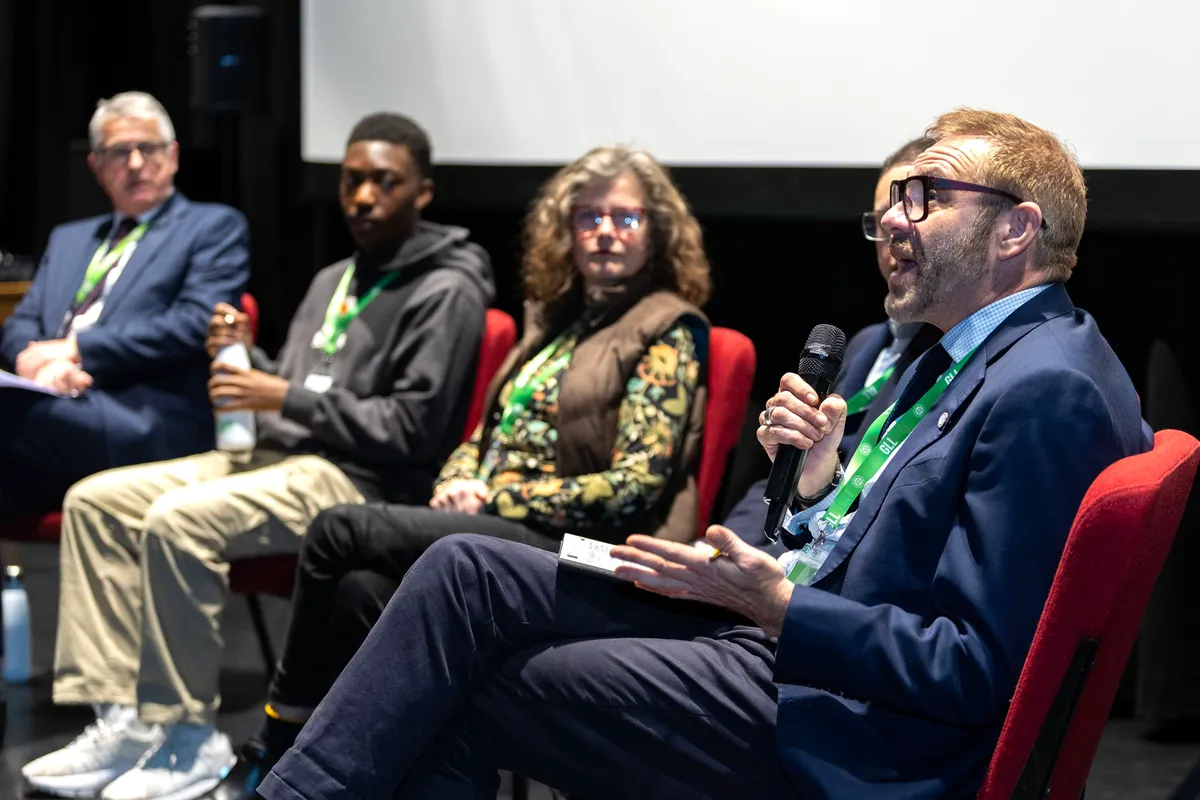
On a Thursday in Woolwich, South East London, something quietly practical happened. GLL—one of the UK's largest social enterprises—didn't just talk about supporting smaller social businesses. It launched a free accelerator programme to actually help them grow.
The timing matters. Social Enterprise Day 2025 brought together founders and leaders who've built businesses around a purpose rather than pure profit. Sophi Tranchell, who founded Divine Chocolate, shared advice that cuts through the noise: articulate your mission clearly, choose partners who genuinely share it, and decide where your money goes before you have it. That third point alone saves most startups from drift.
What GLL built addresses a real gap. Small social enterprises—charities that trade, worker co-ops, community interest companies—often struggle with the same practical problems as any startup: how to find suppliers, navigate procurement, access startup support. But they're doing it while trying to reinvest surpluses into communities rather than pay shareholders. The difference sounds small until you're the community.
We're a new kind of news feed.
Regular news is designed to drain you. We're a non-profit built to restore you. Every story we publish is scored for impact, progress, and hope.
Start Your News DetoxThe accelerator brings it together
GLL's new programme bundles its existing support—procurement partnerships, startup guidance, service delivery connections—into one online hub. Think of it as a resource centre built by people who've already done the hard work. The hub offers practical advice, case studies from founders who've made it, tools, and information on how to partner with GLL itself as a supplier.
The free event in Woolwich drew small business owners, startups, and sector representatives. They got to meet GLL's procurement team directly and network over lunch—the kind of unglamorous but essential connection that often matters more than a conference talk.
Peter Bundey, GLL's CEO, framed it simply: "As one of the UK's largest social enterprise businesses, we have a wealth of knowledge and experience to share with the sector." Peter Holbrook from Social Enterprise UK added context: social businesses are often better equipped to deliver public services because they're designed to reinvest, not extract.
For anyone thinking about starting a social enterprise or scaling one they've already built, the accelerator is worth exploring. The barrier to entry is zero—it's free. What you get is access to people who've already navigated the path you're on.
You can find it at https://www.gll.org/services-and-impact/business-support.