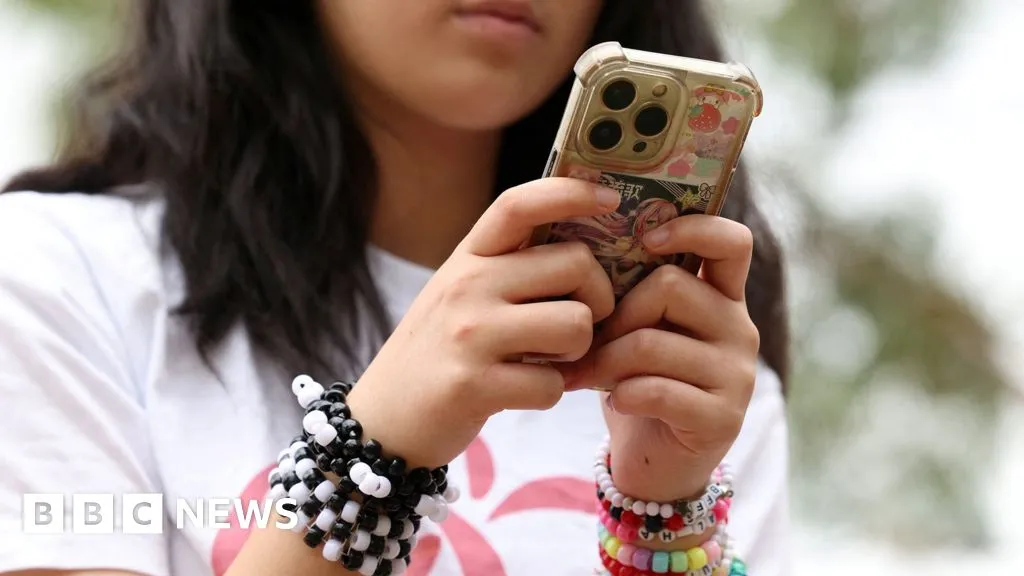
Starting next year, if you’re under 15 in Greece, your scrolling days might be numbered. The Greek government is stepping in to ban social media for its youngest citizens, all in the name of curbing what Prime Minister Kyriakos Mitsotakis calls the “addictive design” behind rising teen anxiety and sleep deprivation.
Because apparently, constantly comparing yourself to perfectly curated vacation photos and dodging comment section trolls isn't exactly a recipe for a good night's sleep. Who knew?
The Great European Digital Detox?
Greece isn't exactly a lone wolf in this particular digital forest. Australia already requires platforms like TikTok and Snapchat to boot users under 16, or face fines that would make a CFO weep. France, Austria, Spain, Ireland, and Denmark are all eyeing similar restrictions, with the UK even asking its public what they think about a potential ban for under-16s.
We're a new kind of news feed.
Regular news is designed to drain you. We're a non-profit built to restore you. Every story we publish is scored for impact, progress, and hope.
Start Your News DetoxSocial media companies, naturally, are less than thrilled. Reddit, for example, is currently duking it out with Australia in court, arguing these bans won't work and might just make teens feel more isolated. Which, if you think about it, is both impressive and slightly terrifying coming from a platform designed for endless scrolling.
Prime Minister Mitsotakis laid out his reasoning in a TikTok video (because of course he did), citing conversations with parents whose kids are wrestling with sleep issues, anxiety, and the dreaded constant phone-checking. He called the ban "difficult but necessary," clarifying that the goal isn't to shield kids from technology altogether, but to protect their innocence from apps engineered to hook them.
He’s even pushing for a Europe-wide framework, suggesting mandatory age checks for under-15s on all platforms, a continent-spanning ban for this age group, and requiring platforms to re-verify ages every six months. Because nothing says "fun teen hangout" like a bi-annual age audit.
This whole discussion isn't just a European fad. In the US, a court recently found Meta (the folks behind Instagram and Facebook) and Google (YouTube's parent company) responsible in a lawsuit where a woman claimed she became addicted to social media as a child, leading to mental health harm. Jurors decided these tech giants intentionally built addictive platforms. Meta and Google, predictably, are appealing, stating that "Teen mental health is profoundly complex and cannot be linked to a single app." Which, while true, doesn't exactly absolve them of designing platforms that are basically digital potato chips.