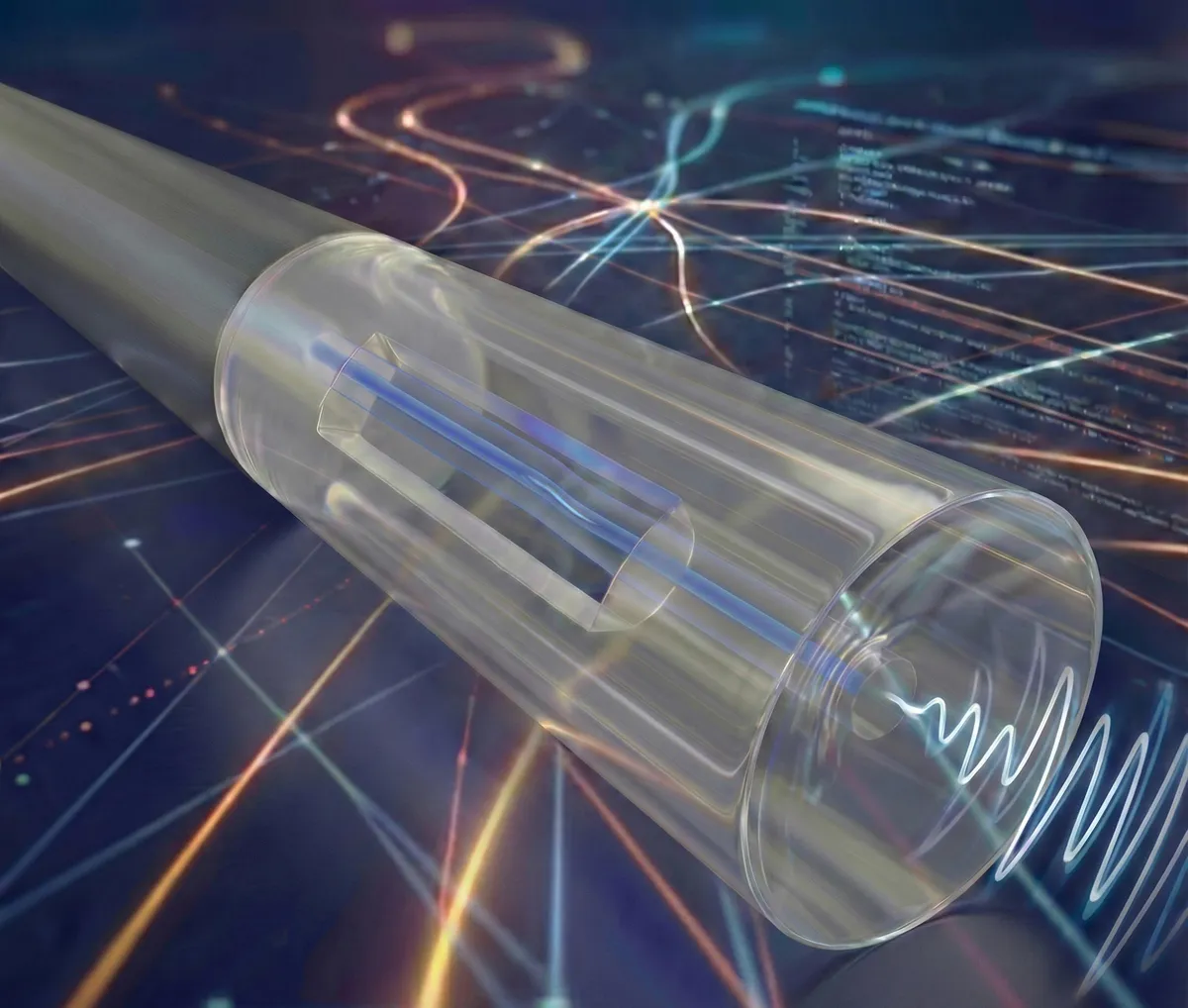
MIT researchers have engineered a new aluminum alloy that can be 3D printed to match the strength of the toughest traditionally-made metals — and they got there by letting machine learning do the heavy lifting.
The challenge was brutal: find the right recipe from over a million possible combinations of aluminum mixed with other elements. Traditional simulation would have required testing each one. Instead, Mohadeseh Taheri-Mousavi and her team used machine learning to narrow the search to just 40 candidate compositions. The algorithm identified patterns humans might have missed, pointing the team toward combinations where specific elements controlled specific properties.
The result: an aluminum alloy with a dense microstructure of tiny particles that make it five times stronger than conventionally cast aluminum, and 50 percent stronger than alloys designed the old way. It also stays stable at temperatures up to 400 degrees Celsius — unusually high for aluminum.
We're a new kind of news feed.
Regular news is designed to drain you. We're a non-profit built to restore you. Every story we publish is scored for impact, progress, and hope.
Start Your News DetoxWhy this matters for how things are made
The real payoff isn't just the strength. It's what becomes possible when you combine this alloy with 3D printing.
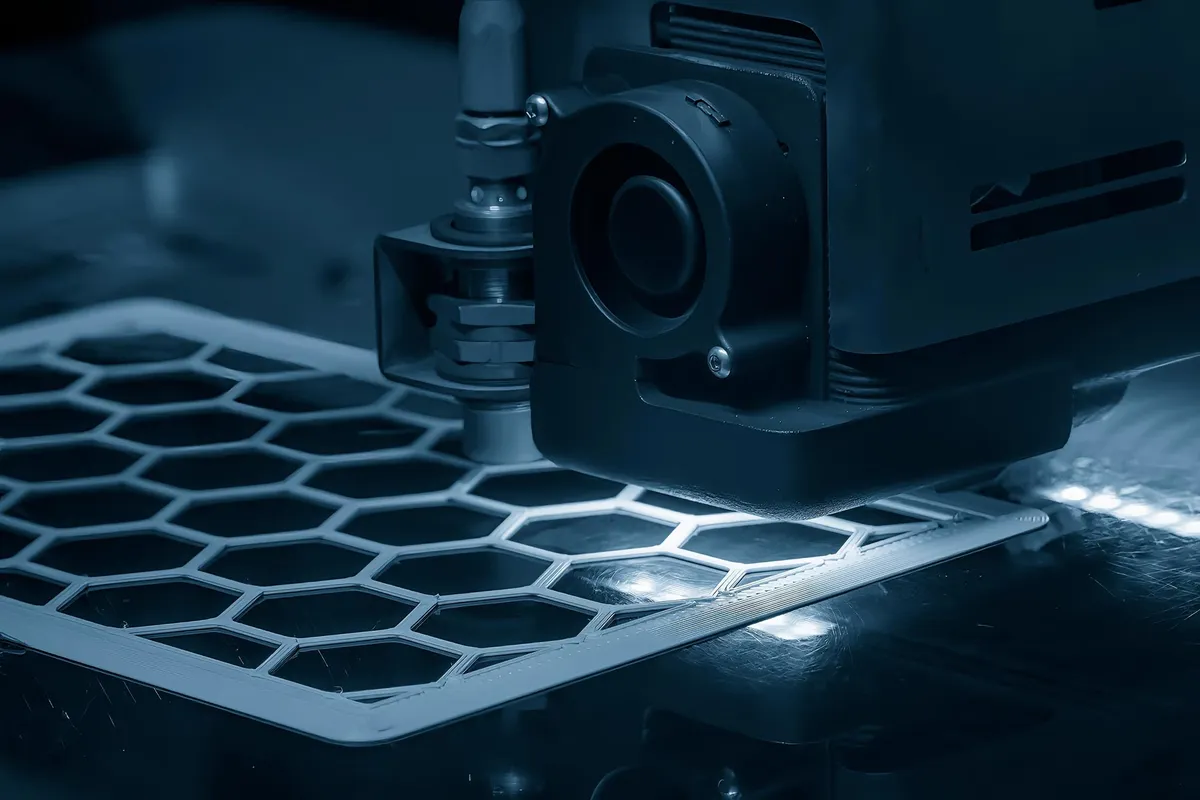
Traditional metal casting works by pouring molten aluminum into a mold and letting it cool slowly. The slower the cooling, the larger the particles grow, and the weaker the final part becomes. 3D printing (specifically laser powder bed fusion) inverts this: a laser melts powder layer by layer, solidifying each one almost instantly. That rapid cooling locks in the tiny, dense particle structure the team designed for.
"3D printing opens a new door because of the unique characteristics of the process — particularly, the fast cooling rate," says John Hart, head of MIT's Department of Mechanical Engineering. "Very rapid freezing of the alloy after it's melted by the laser creates this special set of properties."
This matters for jet engines. Fan blades are traditionally cast from titanium — a material that's over 50 percent heavier and up to 10 times costlier than aluminum. Switching to this new printable aluminum could save significant weight and cost across the transportation industry. The same logic applies to advanced vacuum pumps, high-end automobiles, and data center cooling systems. 3D printing also lets engineers design complex geometries that traditional casting can't achieve, and it wastes less material overall.
From classroom idea to working metal
The work started in a 2020 MIT class where students were challenged to design an aluminum alloy stronger than anything previously 3D printed. That exercise hit a wall — traditional simulation couldn't find a better recipe. But Taheri-Mousavi wondered if machine learning could navigate the design space more efficiently, identifying which elements actually controlled which properties instead of brute-forcing every combination.
She was right. The team ordered powder based on their machine learning recipe, sent it to collaborators in Germany for printing, and ran the samples through strength tests back at MIT. The printed alloy matched the predictions exactly.
The researchers are now applying the same methodology to optimize other properties of the alloy, and Taheri-Mousavi has a clear vision for what comes next: "My dream is that one day, passengers looking out their airplane window will see fan blades of engines made from our aluminum alloys."