Nourishing news

Our Biggest Food Justice Stories of 2025

Shining a light on the critical links between race, food, and equity, Civil Eats has reported on food justice since 2009, highlighting stories that demand a fair, sustainable future for all.

33 min readCivil Eats
Kansas, United States
Our Biggest Food Justice Stories of 2025
75
...
0

Why it matters: this reporting highlights how communities are coming together to ensure everyone has access to healthy, sustainable food, despite challenging circumstances, benefiting those facing food insecurity.

It also encompasses environmental factors and climate change, as both disproportionately impact poor communities and communities of color, creating additional challenges for those facing food insecurity. In 2025, the U.S. food system came under increasing pressure, making stories about food justice all the more critical. This year, we reported extensively on how federal budget cuts scaled back the food safety net and eliminated many farming initiatives, including climate and food justice projects.

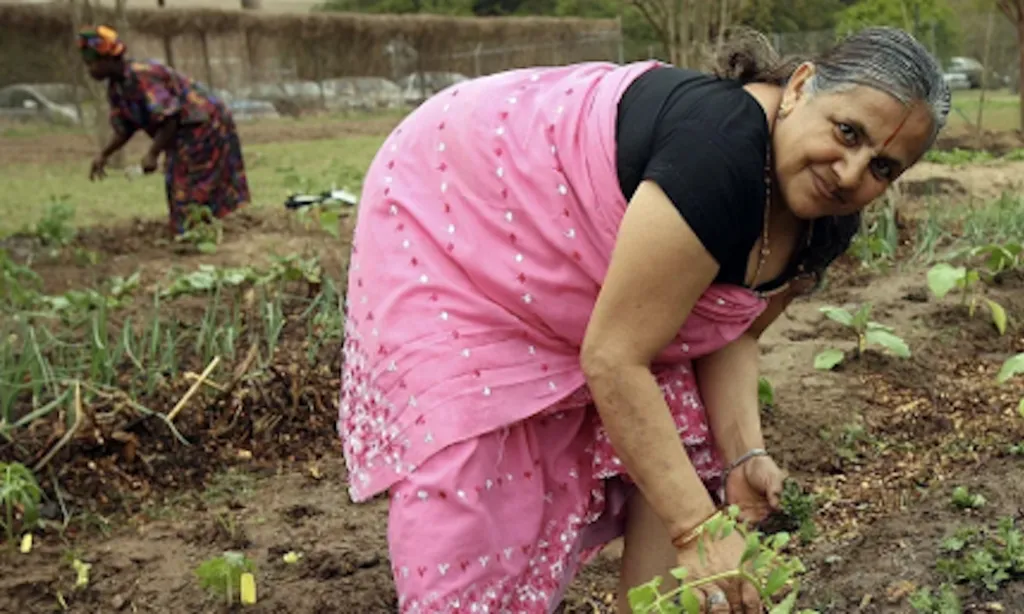
But even with fewer resources, farmers and advocates across the country are still finding ways to feed their communities, support the next generation of producers, and teach sustainable agriculture to urban farmers. Below are our biggest food justice stories from 2025, in chronological order. A 19th-century family in front of their improved homestead in Nicodemus, Kansas. (Photo courtesy of Kansas University Spencer Research Library, Nicodemus Historical Society Collection) Op-ed: Black Producers Have Farmed Sustainably in Kansas for Generations.

Let’s Not Erase Our Progress. Increased federal funding for Black farmers—not less—will help US agriculture become more resilient as our climate changes. Brea Baker on the Legacy of Stolen Farmland in America The author of ‘Rooted: The American Legacy of Land Theft and the Modern Movement for Black Land Ownership’ talks about her family’s farming history, the lasting impact of land loss for Black people, and the case for reparations.

Despite Cuts to DEI Initiatives, Food and Farm Advocates Say They Will Continue to Fight for Racial Justice People fighting for a fairer food system are worried and exhausted, but remain undeterred. Alien Land Laws, Created to Protect US Farmland, May Be Harming Asian Americans A Q&A with civil rights lawyer and professor Robert Chang about the laws forbidding foreign ownership of agricultural land, and how they could lead to discrimination against Asians and Asian Americans.

In Chicago, an Environmental Organization Feeds a Community It took decades for Little Village Environmental Justice Organization to restore the land within its neighborhood. Now areas once considered toxic sites are a wellspring for sharing food, culture, and ancestral knowledge. Photo Essay: Standing in the Gaps With Feed Durham In Durham, North Carolina, a multifaceted mutual aid collective shows us the power of a community caring for its members through food and much more.

A New Path for Small Farmers in the Southeast? The Southern Farmers Financial Association, years in the making, could be a lifeline for Black farmers and rural communities, but is in jeopardy now. ‘Dignified Food’ Eases Food Insecurity in Philadelphia The Double Trellis Food Initiative fights hunger in America’s poorest large city—and gives young people a path to employment.

This Man Is Feeding California’s Incarcerated Firefighters Sam Lewis of the Anti-Recidivism Coalition discusses why good meals, better pay, and post-release support could transform the future for incarcerated firefighters—and why society should see their humanity. Established in October 2024, the final Solitary Garden is on St. Charles Avenue, a popular tourist destination in New Orleans. (Photo credit: Ben Seal) In New Orleans, ‘Solitary Gardens’ Aims to Transform Thinking About Prisons Artist and activist jackie sumell’s nonprofit, Freedom to Grow, takes a plant-powered approach to encourage radical change.

Can This Baltimore Academy Continue to Train Urban Farmers? At Black Butterfly Teaching Farm, locals learn to build a climate-resilient food system with economic potential in the midst of an industrial city. Funding cuts now jeopardize that mission. Op-ed: Through Acts of Solidarity, We Can Support Immigrants in the Food Chain and Beyond Immigrant farmers, food workers, and vendors are a critical part of our food system.

Here’s how to help them here in LA and nationwide. The EPA Canceled These 21 Climate Justice Projects From solar-powered greenhouses to wild rice initiatives, the Trump administration cut funding for nearly two dozen farm and food resilience projects.

Volunteers Noelle Romero (left) and Corinne Smith (right) pull weeds around a row of tomato plants during a community work day at the Agroecology Commons farm. (Photo credit: Riley Ramirez) A Groundbreaking California Farming Collective Navigates the Loss of Federal Grants Due to cuts by the USDA, Agroecology Commons will offer fewer services to fewer aspiring farmers from underserved communities.

Op-ed: We Need a Food Bill of Rights From Oklahoma to D.C., a food activist works to ensure that communities can protect their food systems and their future. Farmers of Color Offer Community Wellness at ‘Healing Farms’ With a focus on trauma recovery and improved health, a new farm model connects neighbors to ancestral practices.

Crusading New York Community Garden Group Turns 30 A photo essay of gardens from Bette Midler’s New York Restoration Project, which for three decades has been converting neglected lots into resilient neighborhood green spaces. Op-ed: The Shutdown Threatens SNAP and WIC for the Most Vulnerable One in eight Americans rely on food assistance. For families with complex medical challenges, these programs are non-negotiable lifelines. Community Kitchen Brings Food Justice to the Table In New York City, this ambitious nonprofit restaurant serves healthy, high-quality food to all, regardless of income.

Alexina Cather (right) with her brother, Ryan, in 1987 or 1988. (Photo courtesy of Alexina Cather) Op-ed: SNAP Is a Lifeline. I Know Firsthand. SNAP reduces hunger, lifts children out of poverty, improves health outcomes, and supports local economies.

It is one of the most effective anti-poverty tools this country has ever created. At 91, Eva Clayton Is Still Fighting for Food Justice and Farmers’ Rights North Carolina’s first Black Congresswoman keeps making her voice heard—on gerrymandering, hunger relief, and more.

The post Our Biggest Food Justice Stories of 2025 appeared first on Civil Eats.

Brightcast Impact Score (BIS)

75/100Groundbreaking

This article from Civil Eats highlights positive stories about people and organizations working to address food justice and equity issues in the United States. It focuses on how farmers, advocates, and communities are finding ways to feed their communities, support the next generation of producers, and teach sustainable agriculture, even in the face of federal budget cuts. The article showcases measurable progress and real hope for a more just and equitable food system.

Hope Impact25/33

Emotional uplift and inspirational potential

Reach Scale25/33

Potential audience impact and shareability

Verification25/33

Source credibility and content accuracy

Significant positive development

Comments(0)

Join the conversation and share your perspective.

Sign In to Comment
Loading comments...

Get weekly positive news in your inbox

No spam. Unsubscribe anytime. Join thousands who start their week with hope.

More stories that restore faith in humanity