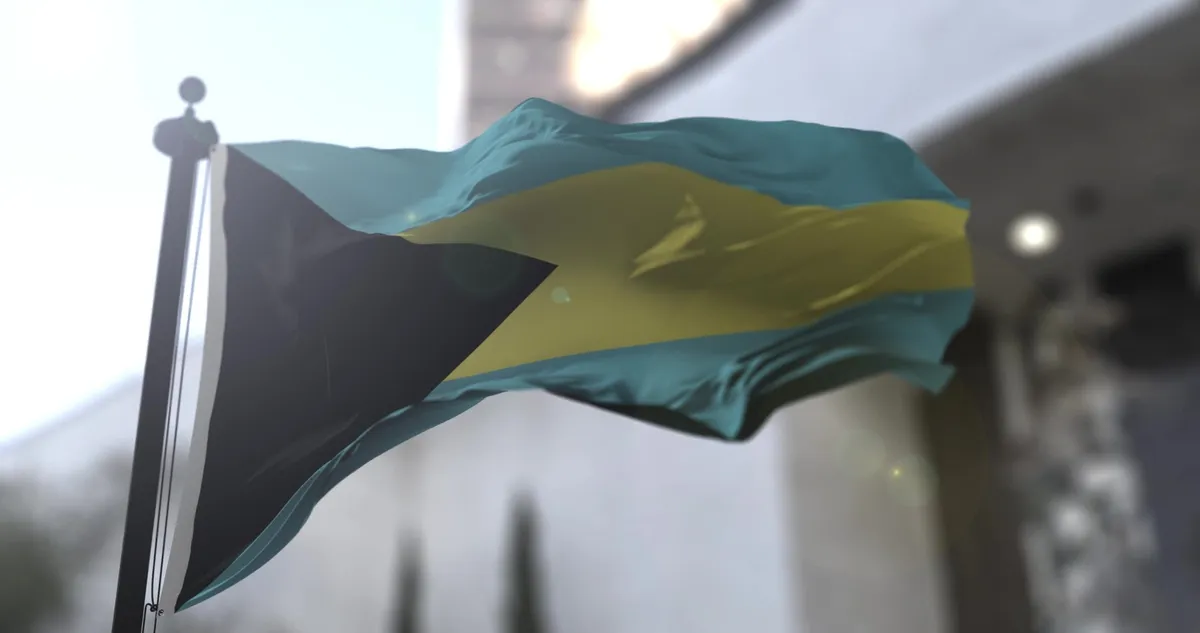
The Bahamas just got a gold star from the World Health Organization. They've officially stopped mothers from passing HIV to their babies. This makes them the twelfth country in the Americas to hit this remarkable milestone, which means more than half of all such certifications globally are now chilling out in the Western Hemisphere.
To earn this kind of medical bragging rights, a country has to prove it's not a fluke. We're talking less than 2% mother-to-child HIV transmission, fewer than five new pediatric infections per 1,000 live births, and a whopping 95% of pregnant women getting proper antenatal care, HIV testing, and treatment. The Bahamas checked every single box. Let that satisfying number sink in.
No Woman Left Behind
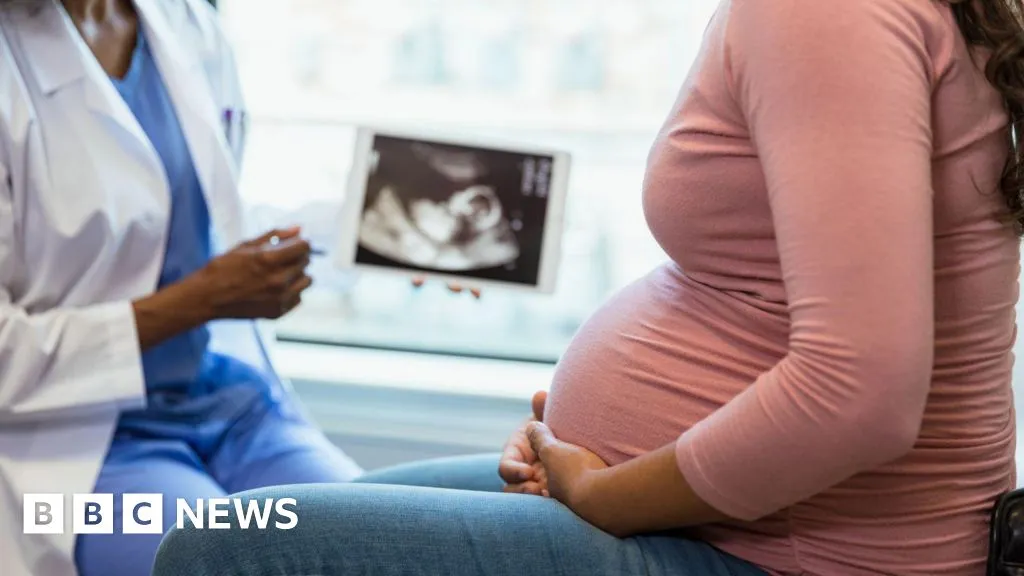
How'd they pull this off? By making healthcare accessible to everyone. Seriously. Every pregnant woman, regardless of nationality or legal status, can get antenatal care. It's offered in both public and private facilities, because apparently that's how you get things done.
We're a new kind of news feed.
Regular news is designed to drain you. We're a non-profit built to restore you. Every story we publish is scored for impact, progress, and hope.
Start Your News DetoxWomen are tested for HIV not once, but twice during pregnancy. If positive, they receive several months' worth of antiretroviral meds. Their babies? Monitored until confirmed HIV-negative. The country also throws in free treatment for other STIs and family planning services. Oh, and they offer pre-exposure prophylaxis (PrEP) to pregnant women as standard care, which puts them ahead of many wealthier health systems. Just a little mic drop there.
Dr. Michael Darville, the country's Minister of Health and Wellness, rightfully gave a shout-out to everyone involved, from nurses to doctors across the islands. Because it takes a village, or in this case, an archipelago.

The Americas Leading the Charge
Cuba actually kicked off this global trend as the first country to get certified. Brazil joined the club just last year. It's not one big breakthrough moment, but rather years of consistent investment in basic healthcare that's making the Latin American and Caribbean region a quiet powerhouse in public health. Anurita Bains, Global Associate Director for HIV/AIDS at UNICEF, called the region's ambition and determination inspiring. Which, if you think about it, is both impressive and slightly terrifying for the virus.
UNAIDS Executive Director Winnie Byanyima put it simply: early testing, quick treatment, and consistent care for pregnant women means babies have a much better shot at being born free of HIV. It's not rocket science, just consistent, compassionate healthcare.
This win for The Bahamas is part of a bigger initiative to eliminate not just HIV, but also syphilis, hepatitis B, and congenital Chagas disease. The goal? To knock out over 30 communicable diseases in the Americas by 2030. Dr. Jarbas Barbosa, Director of the Pan American Health Organization, sees this as a springboard, not a finish line.
Maintaining WHO certification means ongoing monitoring and steady coverage rates. The work, as they say, never really stops. But for now, The Bahamas gets to bask in the glow of a job very, very well done. And a lot of babies get to start life with one less thing to worry about.