A few years ago, the idea of a “gut reset” sounded like something you’d find next to a crystal healing booth. Now, new research suggests a simple gut reset could help people maintain weight loss after stopping Ozempic. This isn't just about a trendy drug; it's part of a broader, more sophisticated understanding of how we fix things. From our bodies to our planet to our societal norms, the approach this week wasn't about a quick fix, but a thoughtful, often indirect, path to long-term healing.
The Body's Own Backup Systems
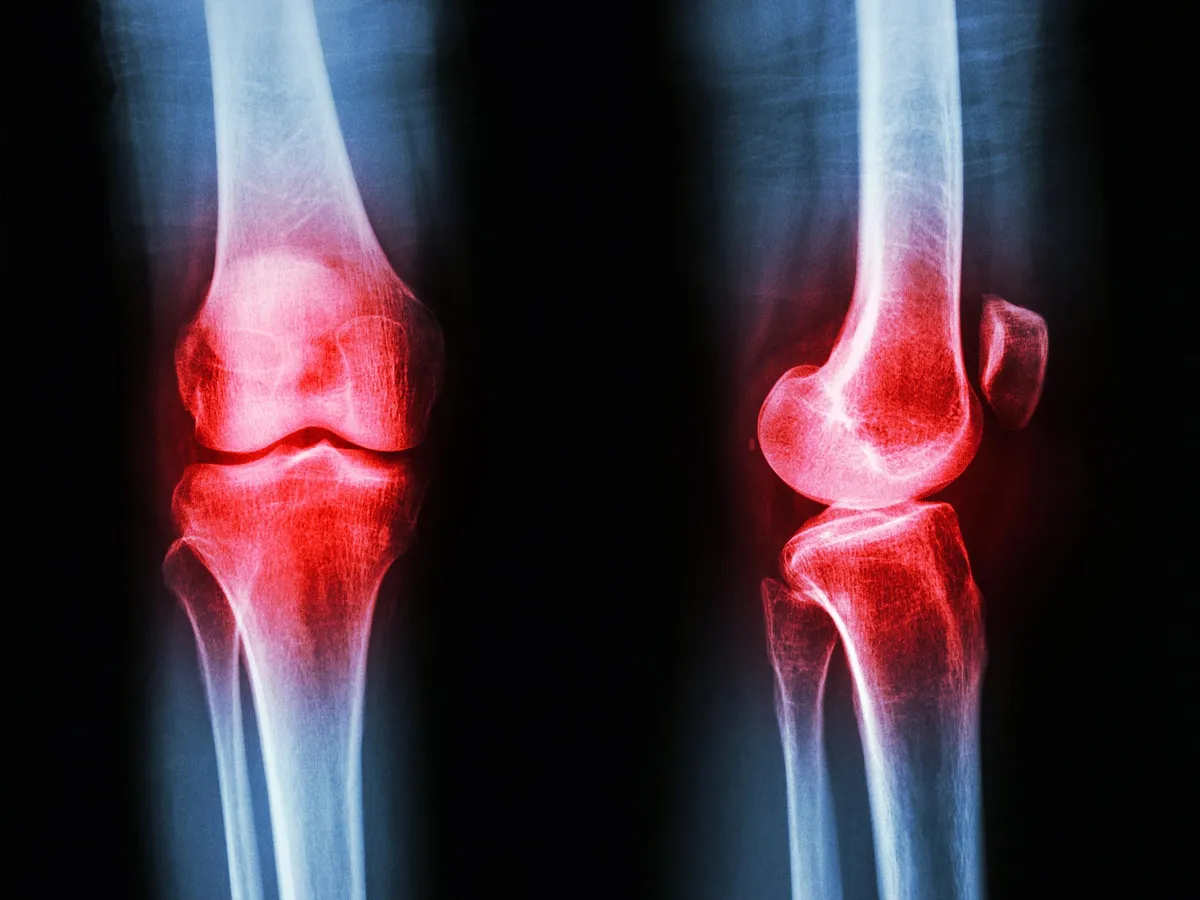
Take the human body, for instance. For years, scientists have been honing mRNA vaccines to fight cancer. The goal is to train the immune system to recognize and attack tumor cells. This week, researchers found a secret backup system in our immune response that could supercharge mRNA cancer vaccines. It turns out, our bodies have redundant pathways, and activating these hidden lines of defense could make treatments significantly more effective. Meanwhile, a similar pattern emerged in arthritis research: a natural compound was found to fight arthritis by targeting a previously overlooked enzyme, while another study discovered the GLP-1 hormone (yes, the one in weight loss drugs) has a previously unobserved presence in arthritic joints.
What this means for you: Our understanding of health is moving beyond simple cause-and-effect to appreciate the body's complex, interconnected systems. It suggests more robust, less side-effect-prone treatments are on the horizon.
We're a new kind of news feed.
Regular news is designed to drain you. We're a non-profit built to restore you. Every story we publish is scored for impact, progress, and hope.
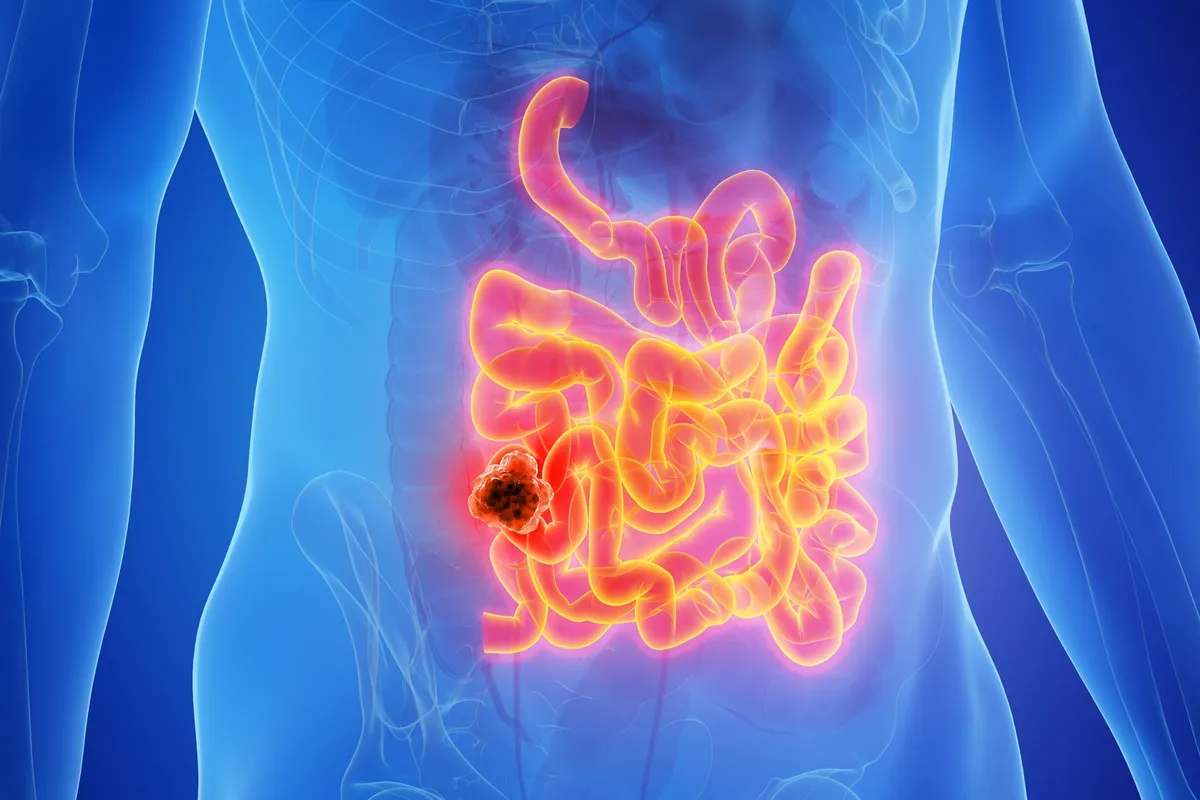
Start Your News Detox"A new approach to treating certain bowel cancers is showing long-lasting effects." — Read the full story
The Planet's Slow, Steady Comeback
Even something as massive as the ozone layer is in rehab, though it’s a bit of a two-steps-forward, one-step-back situation. While the ozone layer is indeed healing, a chemical loophole is slowing it down. It’s a reminder that environmental healing isn't a flip of a switch; it's a gradual process with unexpected detours. But there’s undeniable progress. Just as trees share resources in ways that challenge traditional forestry, as advocated by Indigenous foresters, the natural world finds ways to mend itself, often with a little help (and less hindrance) from us. Even on Mars, Curiosity just sent back a stunning 1.5-billion-pixel postcard, a testament to our long-game approach to understanding and appreciating the universe.
What this means for you: The world's biggest problems aren't solved overnight, but persistent, nuanced efforts are paying off. The planet is resilient, and our capacity to understand and assist its healing is growing.
Society's Red Card for Bad Behavior
Finally, society itself is getting a long-overdue rehab. The UK just made a bold move to create a smoke-free generation by permanently banning tobacco sales to anyone born after January 1, 2009. This isn't about shaming, but about fundamentally altering a future trajectory. In sports, a similar shift: soccer players can now get a red card for whispering mean things while covering their mouths. It’s a subtle but significant move towards sportsmanship and respect, even in the heat of competition. And in a beautiful example of overcoming systemic barriers, the Afghan Women's Refugee Team can finally compete internationally, nearly five years after fleeing Taliban rule. The world is slowly, deliberately, rewriting the rules of engagement.
What this means for you: From public health to sportsmanship to basic human rights, we’re seeing a global push for more thoughtful, inclusive, and ultimately healthier ways of interacting. The long game is in play, and it looks pretty good.
Hope stat: 5 years — the amount of time it took for the Afghan Women's Refugee Team to finally gain eligibility to play internationally, proving that persistence pays off.
Watch this space: The ripple effects of the UK's smoking ban will be fascinating to observe as other nations consider similar long-term public health strategies.