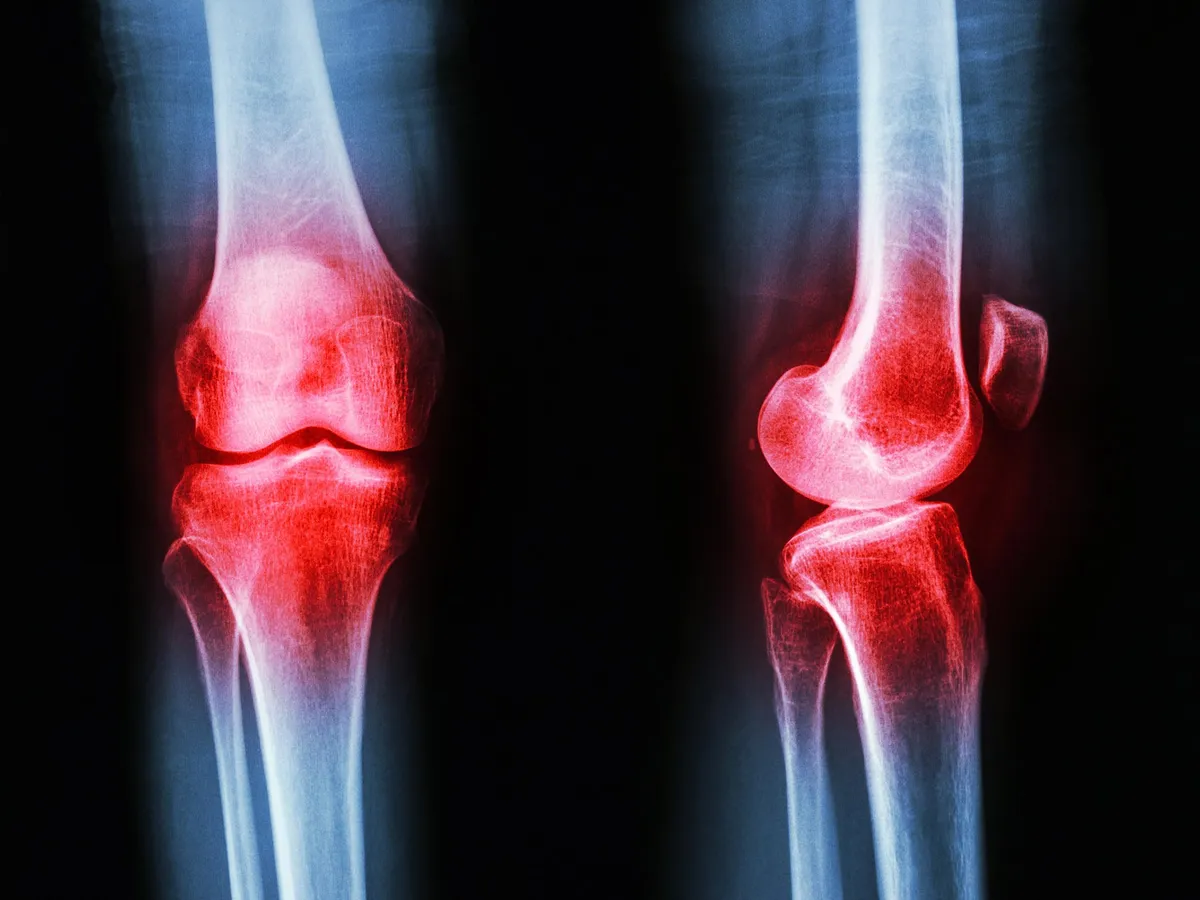
Rheumatoid arthritis is a brutal, chronic disease where your own immune system decides your joints are the enemy. The standard treatments often come with a laundry list of side effects, and sometimes, they just don't cut it. But what if the answer wasn't just about taming an overzealous immune system, but about rethinking how your body handles its fats?
Enter obakulactone (OL), a natural compound pulled from Phellodendri cortex, a plant with a long history in traditional medicine. Researchers have been digging into OL, and what they found is a mechanism that’s less about brute-force immune suppression and more about a subtle, but powerful, metabolic rebalance.
The Fat-Fighting Connection
It turns out, RA isn't just an immune system gone rogue; it’s also deeply intertwined with how the body processes fats. OL targets a protein called acyl coenzyme A thioesterase 1 (ACOT1), which is basically a fatty acid gatekeeper. OL helps break down ACOT1 through a natural cellular process, which in turn helps rebalance unsaturated fatty acids — the very ones linked to inflammation.
We're a new kind of news feed.
Regular news is designed to drain you. We're a non-profit built to restore you. Every story we publish is scored for impact, progress, and hope.
Start Your News DetoxThink of it as hitting the reset button on a system that's gone a bit haywire. Instead of just putting out the inflammatory fires, OL is trying to stop them from igniting in the first place by fixing the underlying fuel problem.
When tested on rats with RA, the results were pretty compelling. Rats treated with OL showed significantly less joint swelling. Their cartilage and joint tissues, which usually take a beating, looked remarkably healthier. Even their thymus and spleen, crucial immune organs, showed signs of recovery. Because apparently that’s where we are now: making rats' spleens recover.
Beyond the visible improvements, OL also went to work on the cellular level. It dialed down pro-inflammatory immune cells in the joints, even flipping some macrophages from an inflammatory type to an anti-inflammatory one. It also curbed the production of T cells that are known troublemakers in RA. Blood tests backed this up, showing a drop in inflammatory molecules like IL-1β and TNF-α, and a reduction in RA markers like RF and CRP, especially with higher doses.
This isn't just a band-aid. The detailed analyses showed OL correcting imbalances in crucial unsaturated fatty acids like arachidonic acid, which are known players in inflammation. In lab tests, OL slowed the growth of those pesky, inflammation-causing joint cells, and even encouraged them to undergo programmed cell death. It also reduced their inflammatory signaling.
This new approach, targeting ACOT1 and the body's fat metabolism, could lead to a whole new generation of RA treatments — ones that get to the root cause rather than just managing the symptoms. For the roughly 1% of the global population living with RA, that's not just good news; it's a potential game-changer that might just make their joints, and their lives, a little bit smoother.