Picture this: you've lost a significant amount of weight thanks to a GLP-1 drug like Ozempic or Wegovy. You feel great, but then you stop taking the medication (because, let's be real, the cost and side effects aren't exactly a picnic). And then, the inevitable happens: the weight creeps back on. For nearly 70% of people, this is the frustrating reality within 18 months. But what if there was a way to hit a metabolic reset button?
Enter the wonderfully named "duodenal mucosal resurfacing" – an experimental, minimally invasive procedure that sounds like something out of a sci-fi movie but might just be the answer to a major problem. Because apparently, that's where we are now: literally resurfacing your gut to keep the pounds off.
The Inner Workings of a Gut Glow-Up
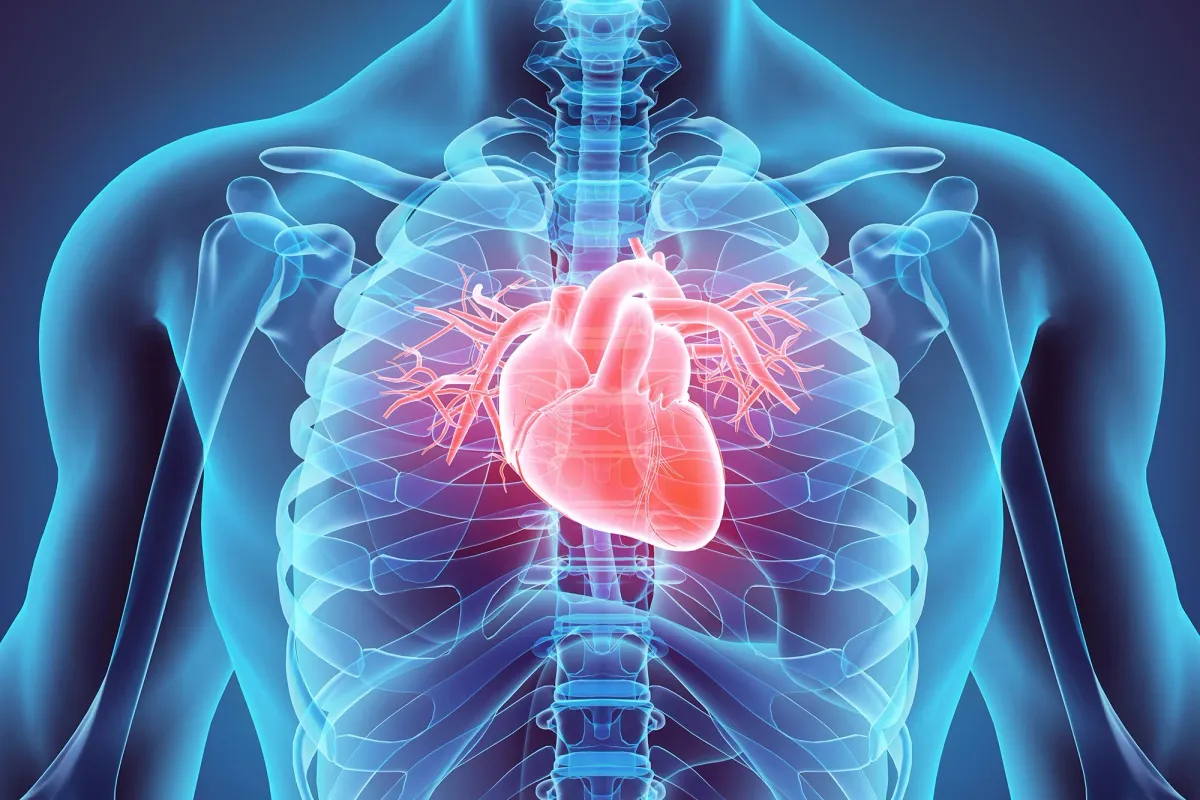
This isn't just a fancy phrase; it's an endoscopic procedure that uses controlled heat to gently remove damaged tissue from the duodenum, the first section of your small intestine right after your stomach. Think of it as giving your gut lining a much-needed exfoliation. The idea is that by burning away the unhealthy bits, you encourage fresh, healthier tissue to grow back, essentially hitting a metabolic reset button.
We're a new kind of news feed.
Regular news is designed to drain you. We're a non-profit built to restore you. Every story we publish is scored for impact, progress, and hope.
Start Your News DetoxThe REMAIN-1 trial is currently putting this theory to the test. The goal? To see if this internal glow-up can help your body maintain weight loss after you've stopped taking those popular weight-loss medications like semaglutide or tirzepatide. Because the small intestine is where those crucial hunger-regulating hormones are made, and years of high-fat, high-sugar diets can really mess with that lining, disrupting signals and leading to insulin resistance.
Early Results are Looking… Resurfaced
The first wave of results, presented at Digestive Disease Week (DDW) 2026, involved 45 participants. All of them had lost at least 15% of their body weight on tirzepatide before discontinuing it. Twenty-nine received the actual resurfacing procedure, while 16 got a sham procedure (because science needs its controls).
The difference was pretty stark. Six months after stopping their GLP-1 drugs, the control group had regained significantly more weight. Those who underwent the more extensive resurfacing only regained about seven pounds, holding onto over 80% of their initial weight loss. The sham group? They regained roughly twice as much. Even more encouraging, the gap between the groups actually widened over time, suggesting this isn't just a temporary fix.
Dr. Shelby Sullivan, a lead author on the study, noted that the procedure had no serious complications, and recovery is about as quick as you can get. Patients are back to their routines in about a day, barely noticing they’ve had anything done. Which, if you think about it, is both impressive and slightly terrifying when you consider what just happened inside your gut.
This experimental procedure is still in the trial phase, with key data from the larger REMAIN-1 study (over 300 participants!) expected in late 2026. But for anyone who's faced the frustrating reality of weight regain after stopping GLP-1s, the idea of a simple, quick "gut reset" to maintain that hard-won progress is, well, pretty gut-busting news indeed.