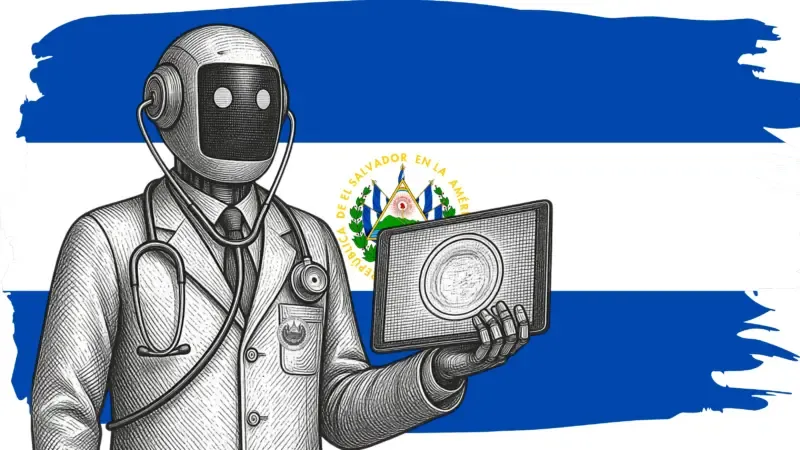
El Salvador is betting big on AI, and this time, it's not just about making Bitcoin legal tender. President Nayib Bukele's latest move? An AI assistant for the public healthcare system, which he claims will transform the nation into a global medical leader. Because apparently, that's where we are now: your phone might soon be diagnosing your chronic conditions.
Bukele's administration has been on a digital transformation spree. Google set up shop in El Salvador in 2024, and xAI is bringing its Grok for Education to over a million children. Stacy Herbert, the director of El Salvador's National Bitcoin Office, declared the country the "World's AI Sandbox" in April 2026. While other nations are busy building regulatory walls, El Salvador, she says, is fully integrating AI into a national strategy for human progress. Which, if you think about it, is both impressive and slightly terrifying.
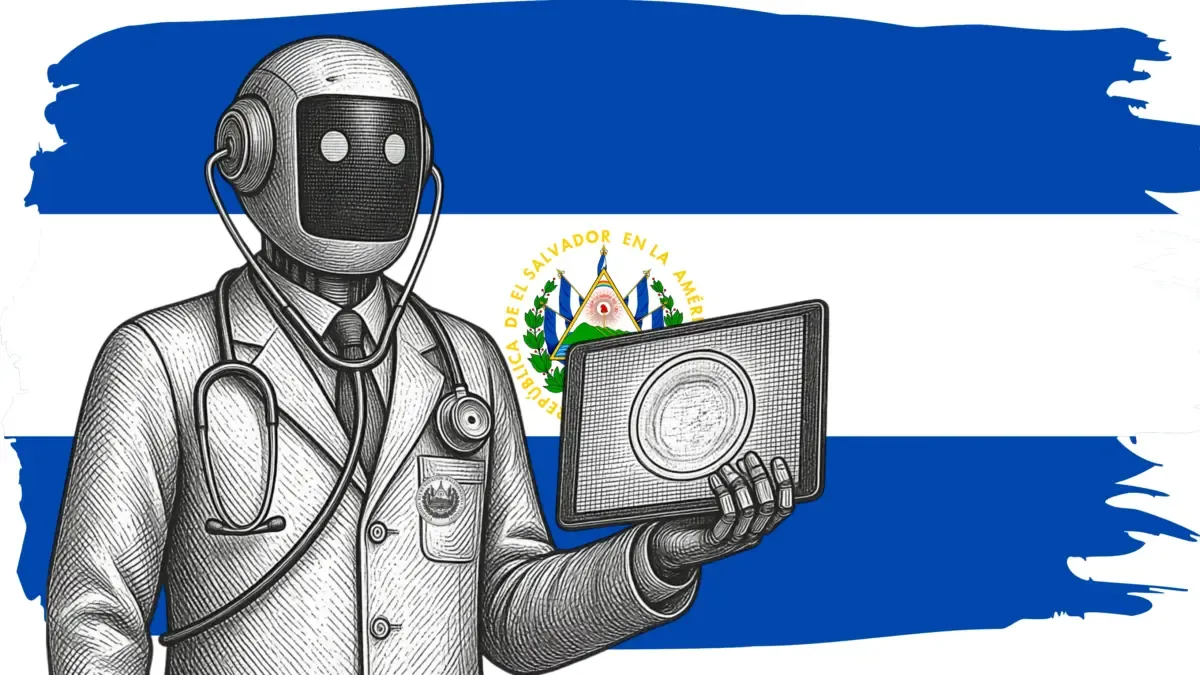
Meet DoctorSV: Your New AI Physician
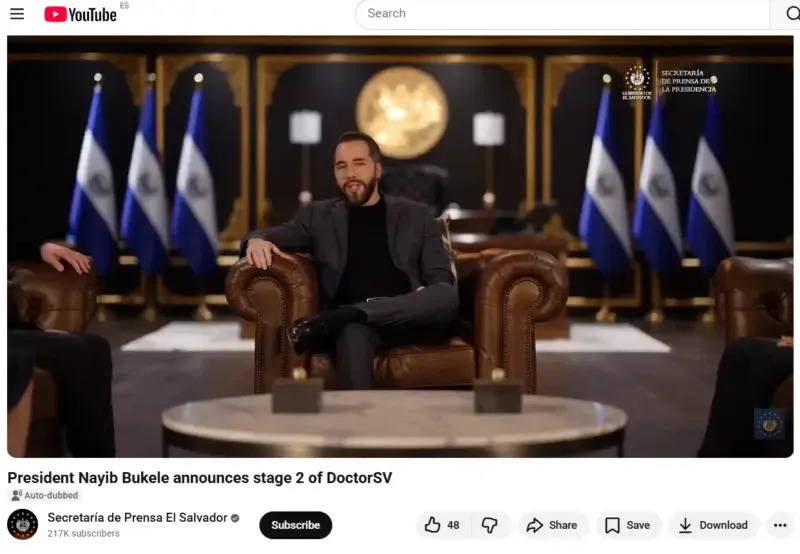
The government just rolled out the second phase of DoctorSV, a telemedicine app backed by Google and the Development Bank of Latin America and the Caribbean (CAF). President Bukele, flanked by tech bigwigs, is pitching this AI-powered system as the future of healthcare.
We're a new kind of news feed.
Regular news is designed to drain you. We're a non-profit built to restore you. Every story we publish is scored for impact, progress, and hope.
Start Your News DetoxSo, how does it work? According to AI-specializing physician Edgardo Von Euw, the AI assistant will analyze your medical records and questionnaires to identify chronic disease risks. It can then automatically order lab tests – no in-person doctor visit required. Once the results are in, the AI gives the human doctor a diagnostic classification, who then swoops in via the app. The AI even follows up on treatments, sending messages and scheduling calls. Bukele described the technology as "a person" dedicated to ensuring every Salvadoran adheres to their treatment. Let that sink in: a digital person, making sure you take your meds.
This whole system, Von Euw claims, is the first globally to integrate AI "horizontally" from start to finish. Even developed countries, Bukele points out, aren't doing this yet. The Lancet, a rather prestigious medical journal, even chimed in, suggesting El Salvador's program offers a "replicable model" for using AI in resource-limited settings. CAF echoed the sentiment. So, it's not just the local media singing its praises.
But Wait, There's a Catch (or Several)
Despite the government's grand claims, doctors and healthcare workers on the ground are raising some rather pointed questions. They point to persistent issues like insufficient coverage, dodgy care quality, medical supply shortages, and a general lack of transparency. Oh, and over 7,700 public healthcare workers were reportedly laid off in 2025. Not exactly a ringing endorsement for a system poised for global leadership.
Rafael Aguirre of the Union of Doctors of Social Security Workers (SIMETRISSS) and Iván Solano, president of the Medical College, are openly worried about a potential shift towards privatization. They argue the lack of face-to-face interaction in DoctorSV could lead to errors, especially for chronic illnesses that need a doctor's direct eye. Solano, speaking to the BBC, acknowledged the app might offer an immediate solution for some, but he's concerned about its funding – a loan, not sustainable public funds. Aguirre added that El Salvador is becoming a "testing lab" once again, much like its Bitcoin experiment.
And then there's the small matter of cybersecurity. Experts are concerned about data privacy, noting a distinct lack of information about how secure these medical records actually are. Past government apps, like the 2021 El Chivo Wallet, reportedly faced privacy issues, and government institutions were hacked multiple times in 2024. So, entrusting your entire medical history to this new system? Maybe read the fine print.

Bukele, ever the showman, linked the AI healthcare system to his government's security policies, which have been praised for their rapid results but also criticized for alleged human rights violations. He suggested healthcare could similarly boost the country's reputation. Because nothing says "progress" like an AI doctor and a side of surveillance concerns.