Intermittent fasting can help with weight loss, but it's not a magic solution. Krista Varady, a nutrition professor at the University of Illinois Chicago, says weight loss is the main benefit. Data backs this up.
How Intermittent Fasting Helps
A study at the University of Sydney found that people doing intermittent fasting lost about eight percent of their body weight. They also lost about 16 percent of their fat mass over six months. Luigi Fontana, a professor involved in the study, shared these results. Another review of 27 trials also found significant weight loss. It suggests intermittent fasting could help treat obesity.

One key finding from a 2025 study is that people who fasted for two months were more likely to stick with it years later. Mark Mattson, a neuroscientist at Johns Hopkins Medicine, explains why this matters. Many people on calorie-restricted diets can't keep them up and regain weight. An eating pattern that people can maintain might be better than a stricter one they abandon.
We're a new kind of news feed.
Regular news is designed to drain you. We're a non-profit built to restore you. Every story we publish is scored for impact, progress, and hope.
Start Your News DetoxHowever, it's not automatic. Fontana warns that weight loss only happens if you don't overeat during "feast" times. There's also a risk of losing lean body mass, like bone and muscle, along with fat. Eating enough protein and doing resistance training can help prevent this.
Beyond Weight Loss: Cholesterol and Blood Pressure
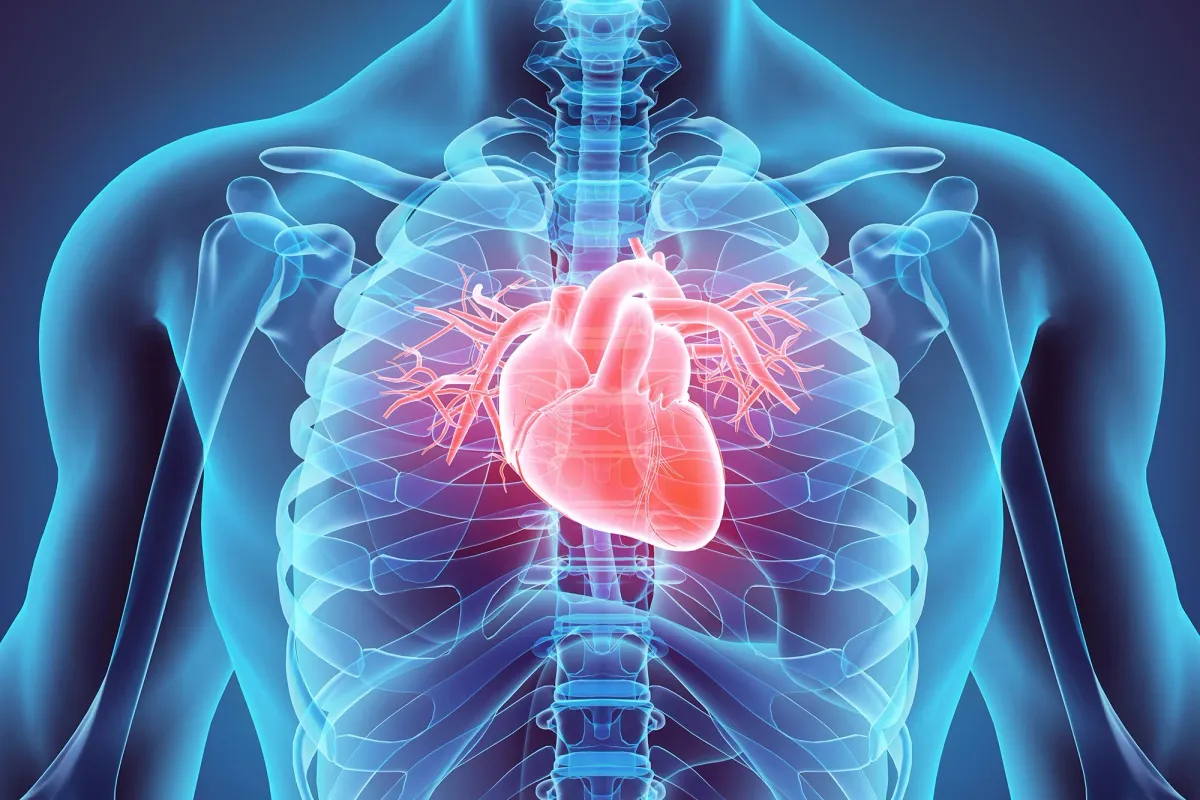
Losing weight itself helps with many heart benefits linked to fasting. Varady notes it can lower risks for metabolic diseases, like high blood pressure and cholesterol. A 2025 trial showed improvements in triglycerides and LDL cholesterol. This happens partly because weight loss reduces belly fat and lowers how much fat the liver sends into the bloodstream.

Mattson points to another reason: intermittent fasting boosts the parasympathetic nervous system. This system helps with rest and recovery. More activity here can lower heart rate and reduce resistance in blood vessels. This works against the stress response linked to high blood pressure.
There's a catch, though. Varady says cholesterol and blood pressure usually improve only if someone loses more than five percent of their body weight. Also, their levels needed to be high before starting the diet. For people with healthy levels already, the effect will likely be smaller.
Blood Sugar and Brain Health
For people with insulin resistance or type 2 diabetes, the evidence is stronger. Fasting lowers insulin levels, makes the body more sensitive to insulin, and helps burn stored fat instead of glucose. Studies show lower fasting glucose and A1c levels. Some people even need less diabetes medication.

But fasting isn't without risks for those with diabetes. Duane Mellor, a dietitian, advises that people taking insulin or other insulin-boosting drugs should talk to a doctor first. There's a real risk of low blood sugar if medications aren't adjusted.
Many people report clearer thinking while fasting. Mattson suggests fasting might stimulate neurotrophic factors, which strengthen brain networks for learning and memory. Research also shows benefits for people with epilepsy, Alzheimer’s, and multiple sclerosis, helping with symptoms and disease progression.
However, for healthy adults, the clinical evidence is less clear. Varady says there's limited proof for cognitive benefits. Much of the research has been in animals, and human trials haven't always shown the same results.
Who Should Be Careful
Fasting isn't for everyone. Fontana warns that frail older adults or anyone at risk of sarcopenia (muscle loss) should be cautious. Losing lean mass can worsen without enough protein and resistance training. Valter Longo, director of the Longevity Institute at USC, adds that people with eating disorders should avoid fasting. Pregnant and breastfeeding women also need to abstain due to higher energy and nutrient needs.
However, women generally don't need to avoid fasting. Claims that it disrupts hormones haven't been proven. Varady says there's no evidence that fasting causes hormonal issues in most women. Multiple studies have found no major changes in sex hormone levels, even after a year of time-restricted eating.
Making Fasting Work
Researchers agree that fasting doesn't work alone. Fontana states that fasting isn't a quick fix. Without a better diet and regular exercise, especially resistance training, fasting isn't a substitute for a healthy lifestyle. It could even lead to unhealthy changes.
Practical advice includes eating enough protein and fiber-rich whole foods during eating times. Staying hydrated and watching for symptoms like dizziness or extreme tiredness is also important. Anyone with chronic conditions or on medications should talk to a doctor first.
It also takes time. Mattson says it can take weeks for your body and brain to adjust. Then, you won't feel as hungry during fasting, and health improvements will become clear. The research is promising, but results depend on building healthy habits alongside fasting.