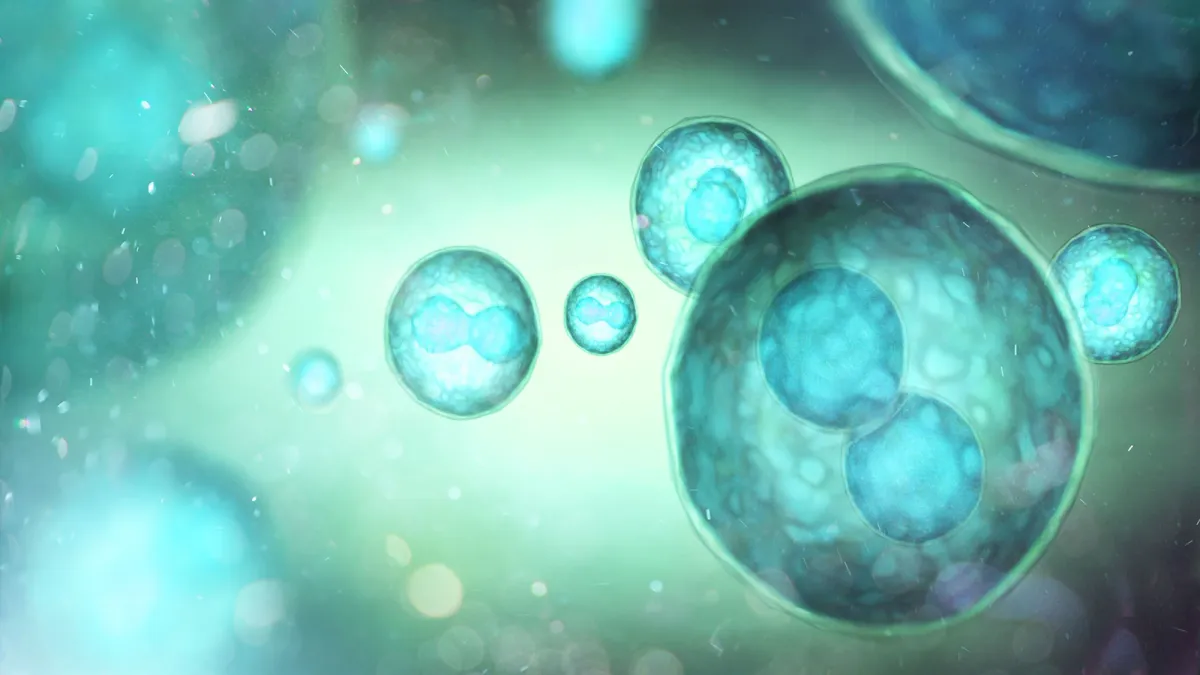
Scientists in Sweden have found a better way to create insulin-producing cells from human stem cells. These lab-grown cells successfully controlled blood sugar and reversed diabetes in mice. This breakthrough could lead to new treatments for type 1 diabetes.
A New Approach to Insulin Cells
Type 1 diabetes happens when the body's immune system destroys the cells in the pancreas that make insulin. Without insulin, the body can't manage blood sugar levels. Replacing these lost cells is a promising idea, but past attempts using stem cells haven't always worked well.
Researchers at Karolinska Institutet and KTH Royal Institute of Technology developed a method that reliably produces high-quality insulin cells. These cells are more mature and consistent than those made with older techniques.
We're a new kind of news feed.
Regular news is designed to drain you. We're a non-profit built to restore you. Every story we publish is scored for impact, progress, and hope.
Start Your News DetoxPer-Olof Berggren, a professor at Karolinska Institutet, explained that this method could lead to personalized cell therapies. These therapies might reduce the chance of the body rejecting the new cells.
How the New Cells Work
In lab tests, the improved cells released insulin and reacted strongly to glucose. When these cells were put into diabetic mice, the mice slowly regained control over their blood sugar. The researchers placed the cells in the front part of the mice's eyes.
Berggren noted that this eye placement allows scientists to watch the cells develop and function over time without major surgery. He added that the cells matured after transplantation and kept regulating blood sugar for several months. This shows their potential for future treatments.

Previous stem cell treatments for type 1 diabetes faced problems. Stem cells sometimes grew into unwanted cell types, and the insulin cells often weren't mature enough to respond well to glucose.
The researchers solved these issues by improving the cell growth process. They let the cells form 3D clusters on their own. This reduced unwanted cells and made the insulin-producing cells better at reacting to glucose.
Fredrik Lanner, a professor at Karolinska Institutet, believes this new method could overcome many past challenges. The team now plans to move towards clinical trials to treat type 1 diabetes.
Deep Dive & References
An optimized protocol for efficient derivation of pancreatic islets from multiple human pluripotent stem cell lines - Stem Cell Reports, 2026