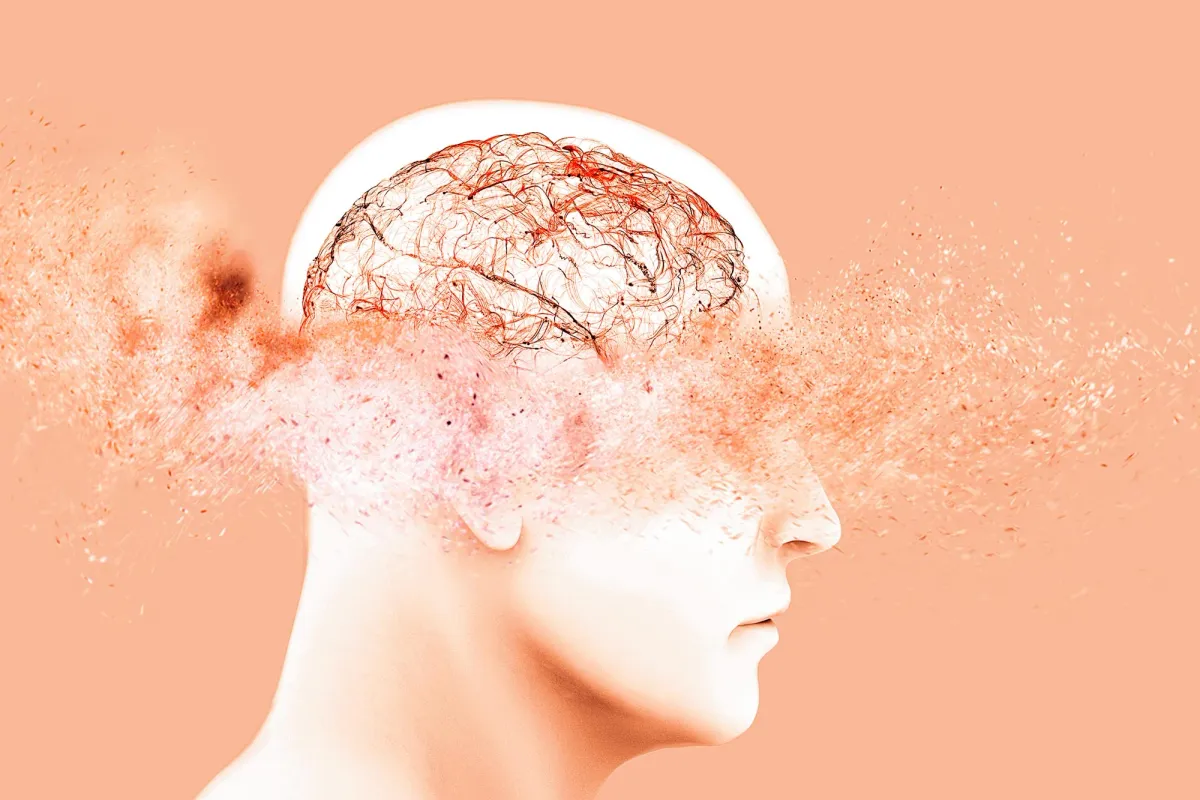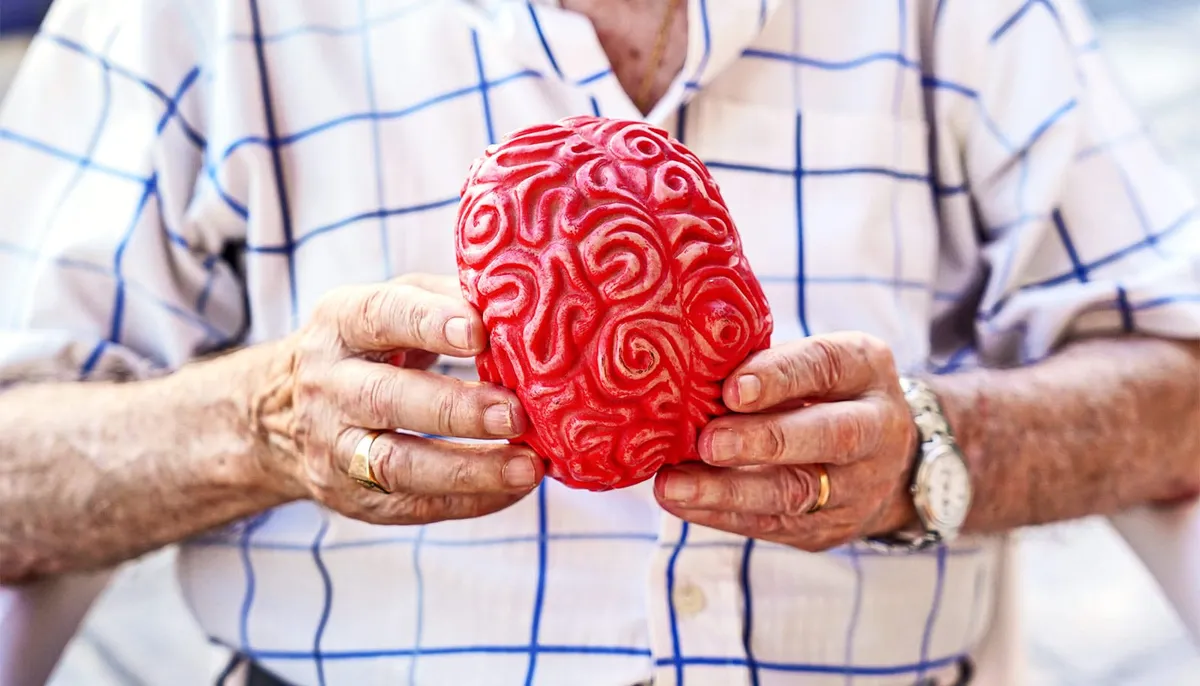
Imagine your brain as a finely tuned engine. Over time, it starts to sputter, running a little hot with tiny, internal fires. Scientists, ever the poets, call this "neuroinflammaging." It’s that slow burn that leads to brain fog, fuzzy memories, and a higher risk of things like Alzheimer’s. For a long time, we just shrugged and chalked it up to getting older.
But what if you could just… put out the fires? And not with brain surgery, but with something you probably already have in your medicine cabinet?
A team at Texas A&M University has developed a nasal spray that, in their recent study, did exactly that. Just two doses significantly reduced brain inflammation, recharged cellular power plants, and dramatically improved memory. We're talking weeks for changes to appear, lasting for months.
We're a new kind of news feed.
Regular news is designed to drain you. We're a non-profit built to restore you. Every story we publish is scored for impact, progress, and hope.
Start Your News DetoxAshok Shetty, who led the research, envisions a future where this simple spray replaces more invasive procedures or long-term meds. Which is good news, considering dementia cases are expected to double in the US over the next four decades. Also, a rare win for equality: the therapy worked equally well for both men and women.
Giving Neurons Their Spark Back
So, how does a little puff up the nose accomplish all this? It’s all about tiny biological packages called extracellular vesicles (EVs). Think of them as microscopic delivery trucks, each one packed with powerful genetic material called microRNAs. These microRNAs, as researcher Madhu Leelavathi Narayana puts it, are like “master regulators” for genes in the brain.
The nasal spray lets these minuscule EVs bypass the brain’s usual defenses, traveling directly into brain tissue where they get absorbed. No need for a surgeon with a drill. Once inside the brain’s immune cells, these microRNAs go to work, shutting down the systems that cause chronic inflammation in aging brains. They also supercharge the mitochondria — those tiny power plants inside brain cells.
By getting these power plants humming again, the brain gets better at processing and storing information. “We are giving neurons their spark back,” Narayana explains, by cutting down stress and reactivating the mitochondria. Behavioral tests confirmed it: treated models were better at recognizing familiar objects and spotting new ones. Basically, their brains were acting younger.
Shetty says they’re seeing the brain’s own repair systems activate, healing inflammation and restoring itself. They've already filed a US patent. The National Institute on Aging (NIA) backed this research, and it’s a big step toward a new era of cognitive health.
Because while the brain's engine may slow with age, it turns out scientists are learning how to hit the restart button. And that, if you think about it, is both impressive and slightly terrifying in the best possible way. Now, who do we talk to about getting this on the market?