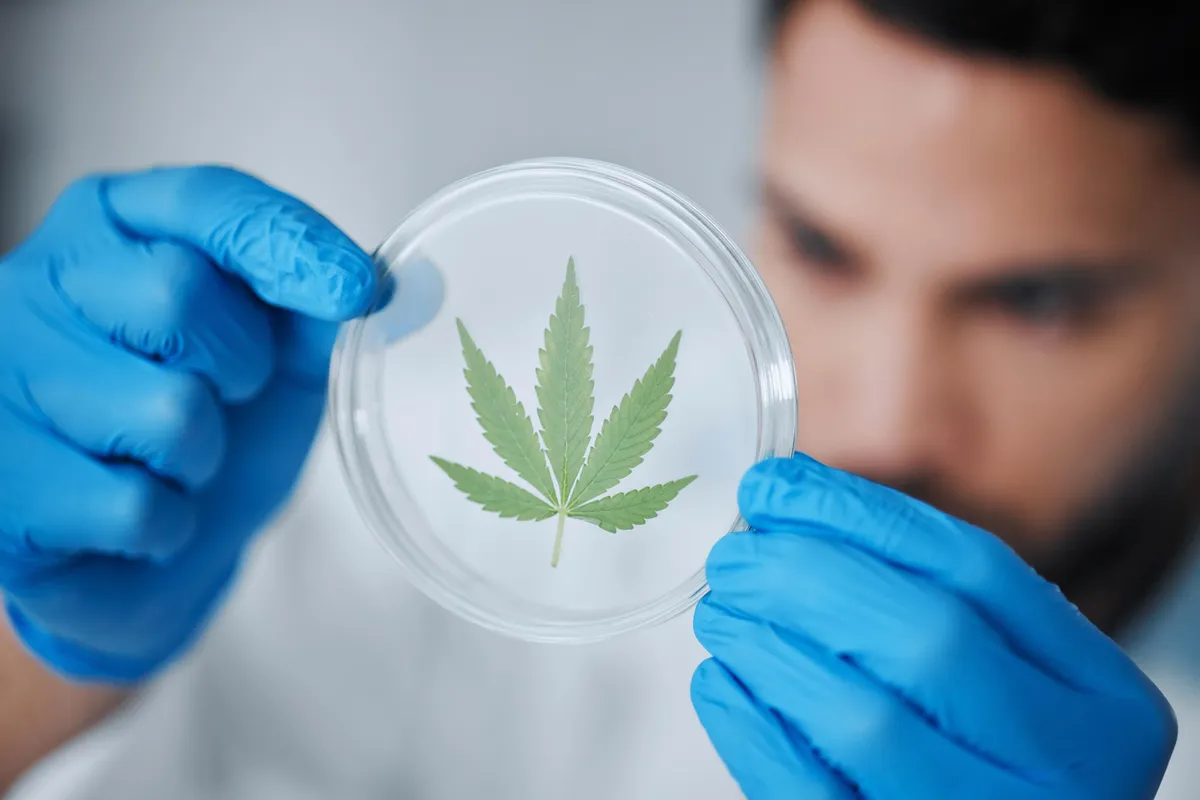
Well, look what the cat dragged in: the U.S. government just decided that some state-licensed medical marijuana isn't quite as terrifying as heroin. Let that sink in for a moment. The Department of Justice announced a reclassification, nudging certain cannabis products from the infamous Schedule I to the slightly less ominous Schedule III.
Before you light up a celebratory joint, know this: it doesn't suddenly make recreational (or even all medical) weed federally legal. Nope. This is about specific, state-licensed products and a regulatory tweak that says, essentially, "Okay, maybe it's not the devil's lettuce after all."
From 'Highly Addictive' to 'Mildly Dependent'
What's the big deal with Schedule III? It's where drugs with a "moderate to low potential for physical and psychological dependence" hang out. Think Tylenol with codeine, not pure fentanyl. Acting Attorney General Todd Blanche noted this shift should open the floodgates for more scientific research into cannabis's safety and effectiveness. Because, apparently, we've been operating on vibes and anecdotal evidence for a while now.
We're a new kind of news feed.
Regular news is designed to drain you. We're a non-profit built to restore you. Every story we publish is scored for impact, progress, and hope.
Start Your News DetoxAdvocates have been yelling this from the rooftops for years: lumping cannabis with genuinely dangerous, highly addictive drugs like heroin made zero sense and led to millions of arrests. Plus, patients swear by its medical benefits, and doctors could use some actual, federally sanctioned data to guide their advice. Imagine that.
This isn't just a quiet bureaucratic shuffle. Former President Trump kicked off the process, and President Biden continued it, showing a rare moment of bipartisan agreement on, of all things, weed. Hearings are expected to rev up in June, suggesting this reclassification might just be the opening act.
The Green Rush Goes Mainstream
Remember when marijuana was the ultimate boogeyman, filling up jails and fueling the "War on Drugs"? Now, it's practically mainstream. Forty U.S. states have legalized it in some form, and the CDC found that one in five Americans admitted to using it last year. That's a lot of people who apparently didn't get the memo about its Schedule I status.
A 2024 Pew Research Center poll found that a whopping 57% of U.S. adults think it should be legal for both medical and recreational use, with another 32% favoring medical-only. Only a stubborn 11% want it outlawed completely. And why not? The cannabis industry is projected to hit $47 billion in legal sales by 2026. That's a lot of green, in more ways than one.
So, while your local dispensary isn't suddenly a federal store, this reclassification is a pretty big nod to changing public opinion and the growing mountain of evidence. It's not a free pass, but it's definitely a step away from treating a plant like it's a cartel kingpin.