Imagine a gum sore that doesn't just hurt, but systematically obliterates a child's face. That's noma, a horrific disease that, left untreated, kills 90% of its young victims and disfigures the rest. For years, its exact bacterial trigger has been a mystery. Now, scientists might have found the culprit.
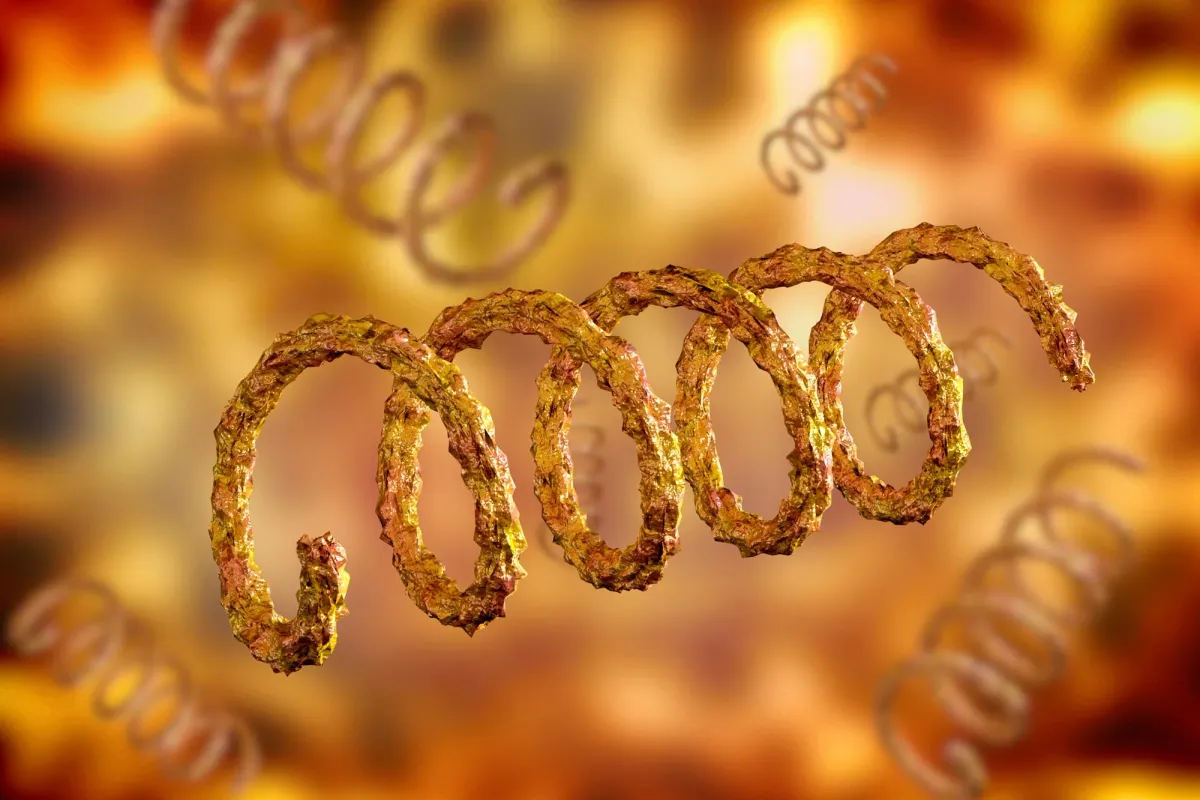
Researchers at the Liverpool School of Tropical Medicine, digging into the mouths of 19 children with noma in Nigeria, made an "astonishing" discovery. Using advanced genetic analysis, they identified a brand new species of Treponema bacteria, now dubbed Treponema A.
This isn't just any new bug. This particular Treponema was lurking in most of the noma patient samples. And when they re-examined older samples from other patients, Treponema A was there too. It's like finding the same suspicious character at every crime scene.
We're a new kind of news feed.
Regular news is designed to drain you. We're a non-profit built to restore you. Every story we publish is scored for impact, progress, and hope.
Start Your News DetoxAngus O’Ferrall, a PhD student, first spotted the species. His senior colleague, Professor Adam Roberts, called it "a great reveal," which is scientist-speak for "I nearly fell out of my chair."
The Race to Stop the Devastation
Now, to be clear, they don't yet know if Treponema A is the direct cause or just a particularly opportunistic guest thriving in the destruction. That's the next big question, and a larger study is underway.
But if it is the cause, this discovery could be a game-changer. Currently, diagnosing noma relies on late-stage symptoms: a foul smell, gaping holes in the skin. By then, it's often too late. Children either die or survive with severe disfigurement and lifelong stigma.
Roberts envisions a future where a simple test for Treponema A during routine gingivitis checks could flag at-risk children. A quick course of antibiotics, and the disease could be stopped before it even starts its devastating march. This would also allow for targeted treatments, reducing the need for broad-spectrum antibiotics that contribute to resistance.
And here's a bonus thought: the study also noted a drop in healthy bacteria in noma patients. This suggests probiotics could potentially help prevent the disease. Because sometimes, the best defense is a good gut feeling. Or, you know, a good mouth feeling.
The findings, published in Plos Neglected Tropical Diseases, offer a rare beacon of hope against a disease that has flown under the radar for far too long. A simple bacteria, a complex problem, and now, perhaps, a clear path forward.