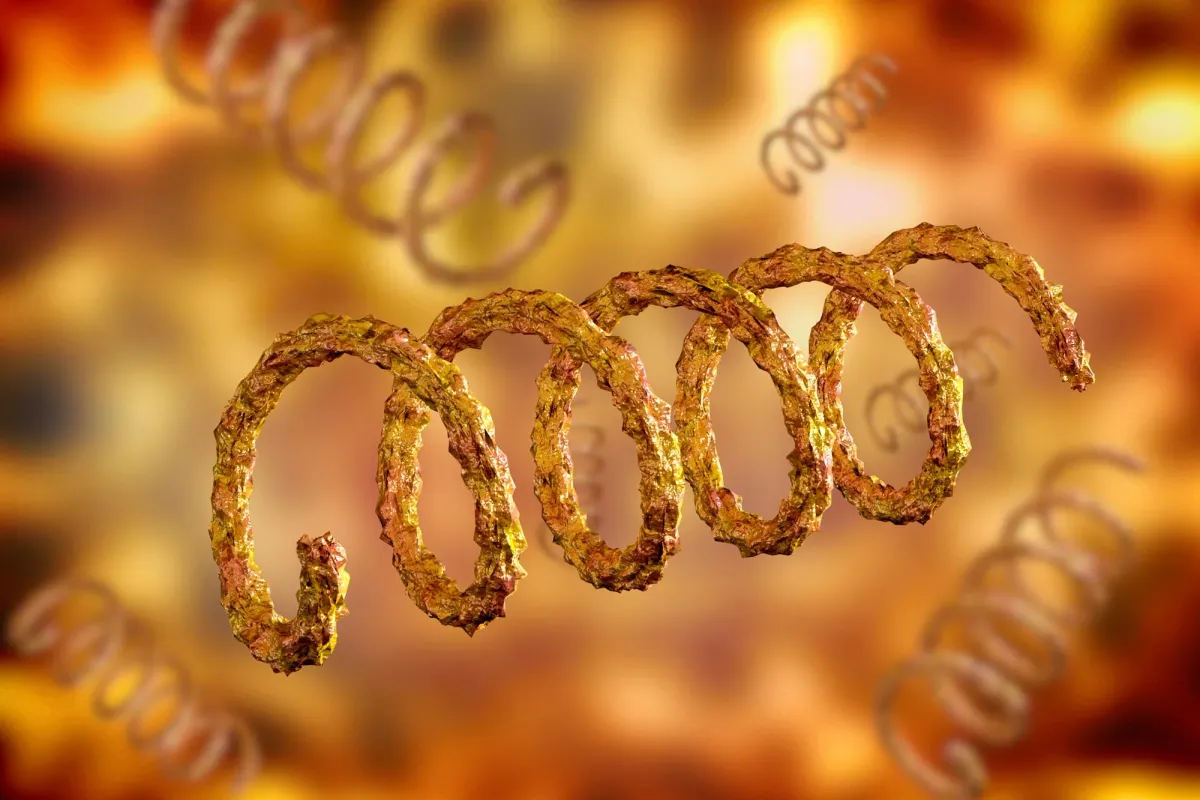
New research is changing how scientists think about ancient diseases. A study in Vietnam suggests that a "syphilis-like" illness found in ancient skeletons might not be syphilis at all. This challenges a long-held idea about how diseases spread in the past.
The findings could reshape the debate about where syphilis came from. They also show how hard it is for scientists to study old diseases. Understanding these ancient infections helps us learn how illnesses have affected human history.
Ancient Bones Tell a New Story
Researchers studied the bones of children from prehistoric Vietnam. These bones date back about 4,000 to 3,200 years. They found signs that a treponemal disease, passed from mother to child, might not always mean venereal syphilis. Instead, other related diseases could have spread this way thousands of years ago.
We're a new kind of news feed.
Regular news is designed to drain you. We're a non-profit built to restore you. Every story we publish is scored for impact, progress, and hope.
Start Your News DetoxDr. Melandri Vlok from Charles Sturt University led the international team. They looked at remains from sites in northern and southern Vietnam. Their study, published in the International Journal of Osteoarchaeology, found three children with clear signs of congenital treponematosis. This group of diseases includes syphilis, yaws, and endemic syphilis.
However, the way the infection spread across the wider population suggests it was likely a non-venereal disease like yaws. Yaws is a tropical illness that still affects many people and can cause lasting disability.
Dr. Vlok noted that for decades, congenital infection in ancient remains was seen as strong proof of venereal syphilis. She said their research shows this idea might not always be true. Other treponemal diseases could also have passed from mother to child.
Rethinking Syphilis Origins
The study looked at 309 individuals from 16 archaeological sites in Vietnam. These sites cover a period from 10,000 to 1,000 years ago. Only three children showed clear signs of congenital infection, including specific dental defects and bone damage. These signs date back at least 3,500 years.
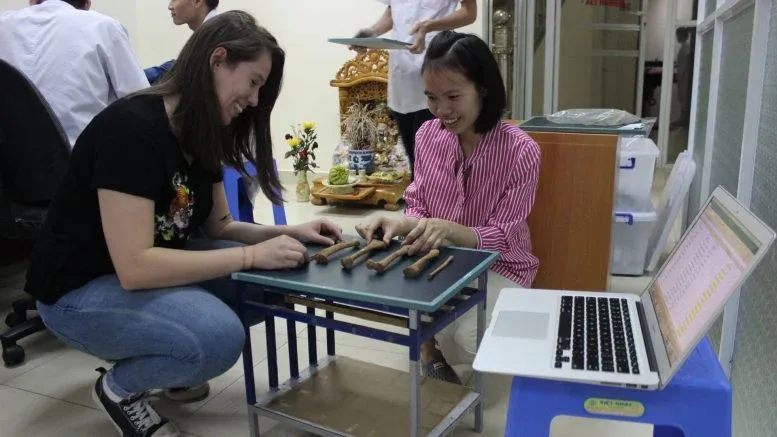
Two of these cases were from Man Bac in northern Vietnam. This site was already known for high levels of treponemal disease. At Man Bac, infections mostly affected children and teenagers. This pattern is common for non-venereal diseases spread through skin contact, not sexual transmission.
Dr. Vlok explained that the way the disease spread at the site strongly points to a non-venereal form. Yet, they still saw signs of congenital transmission, which was surprising.
This discovery changes how we understand where syphilis came from. Scientists often used congenital cases in ancient skeletons to argue if syphilis existed outside the Americas before Christopher Columbus. These new findings suggest that congenital infection alone cannot reliably tell venereal syphilis apart from other related diseases.
Dr. Vlok said that if congenital transmission can happen with non-venereal treponematoses, then scientists need to rethink how they interpret skeletal evidence from the past. Some cases once called congenital syphilis might be different diseases entirely.
So far, there is no confirmed biological or genetic proof of venereal syphilis in populations before Columbus. Instead, genetic studies of ancient remains show multiple treponemal diseases, highlighting their complex history.
Challenges and Future Directions
The research also highlights the difficulties of studying ancient diseases. In tropical areas like Southeast Asia, ancient DNA is hard to preserve. Also, ethical concerns about destructive testing of human remains are growing.
Ms. Minh Tran, a PhD student from the University of the Philippines, Diliman, noted that recovering ancient DNA in tropical environments is very hard. She added that destructive sampling raises important ethical questions. Future research needs to find new ways, working with communities connected to these remains. Preservation should be considered before any biomolecular work.
The team believes their findings show how adaptable Treponema pallidum, the bacteria causing these diseases, has been. They suggest that future work should focus on how different treponemal diseases evolved with humans and changing environments.
Dr. Vlok said that treponemal diseases have a much more complex history than once thought. Understanding this complexity is key to figuring out how infectious diseases shaped human history, especially as diseases like yaws are re-emerging due to climate change.
Deep Dive & References
Dental Stigmata and Skeletal Lesions of Congenital Treponematosis in Early Agricultural Vietnam (4000–3500 bp) - International Journal of Osteoarchaeology, 2026