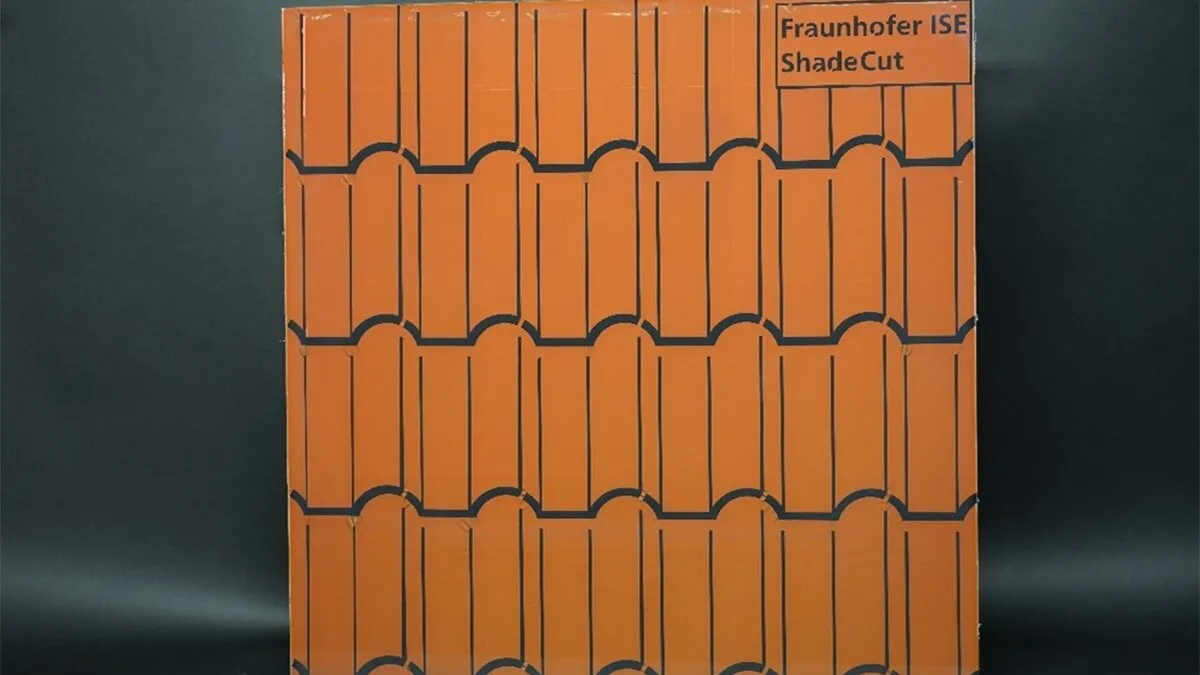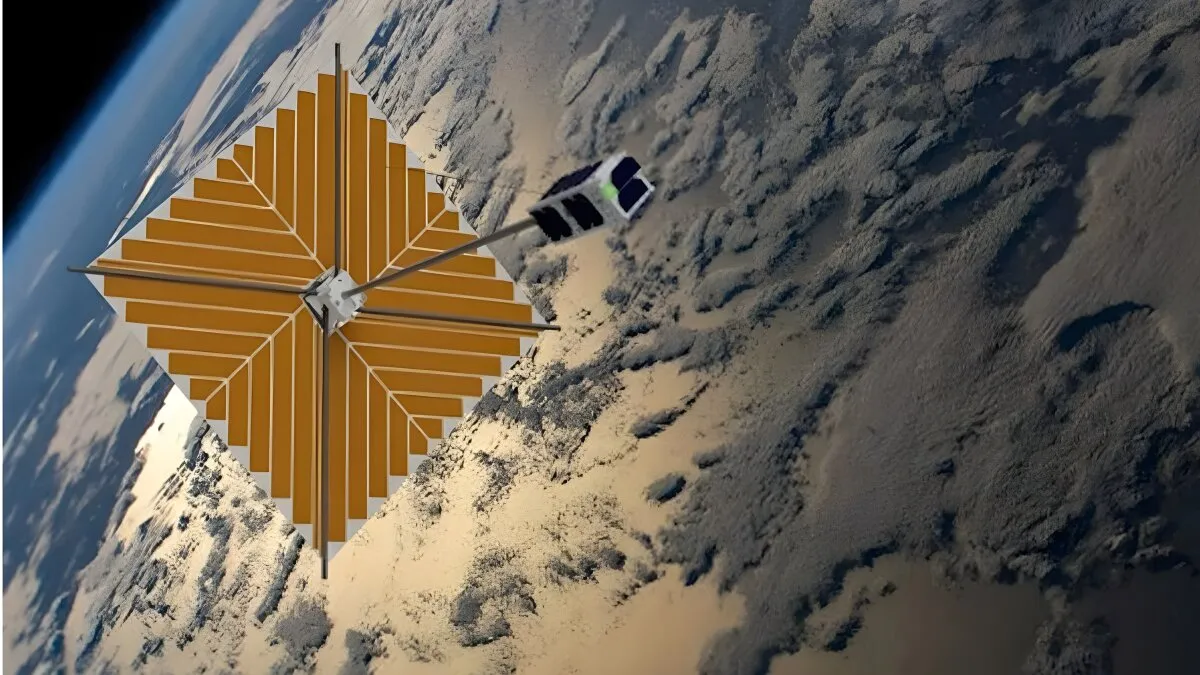
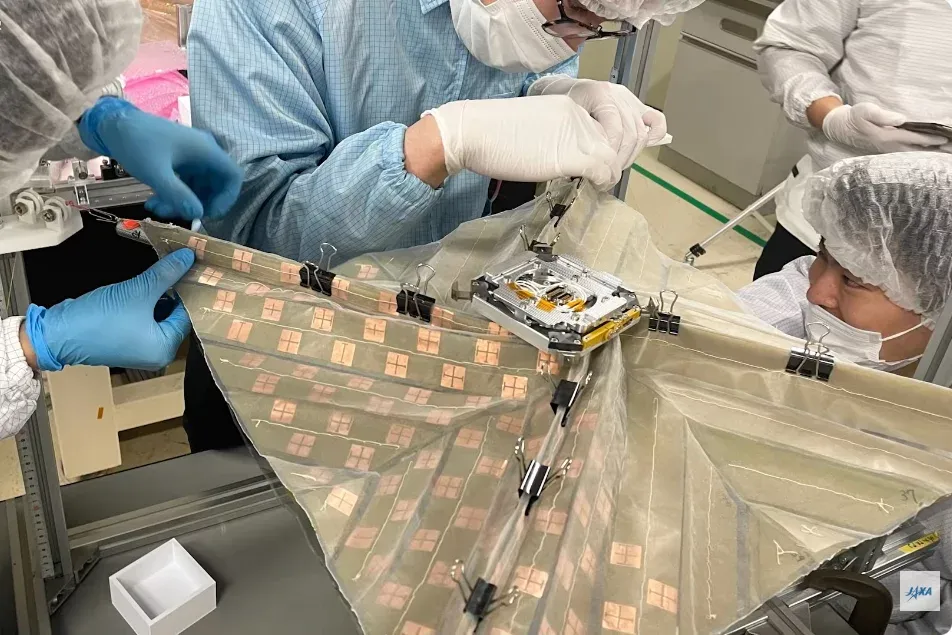
On April 23, the Japan Aerospace Exploration Agency (JAXA) launched several satellites into low-Earth orbit. Among them was a 10-centimeter (3.9-inch) "origami" cube satellite. This satellite has a special reflectarray antenna that unfolds to 25 times its original size.
This launch is part of JAXA’s Innovative Satellite Technology Demonstration Program. About 53 minutes after launching from New Zealand, the Kakushin (“innovation”) Rising mission released eight small satellites. They entered a sun-synchronous orbit 336 miles (540 km) above Earth. These satellites will help with earthquake detection, ocean monitoring, and multispectral photography using tiny cameras.
Origami in Space
The idea of using origami and kirigami (folding and cutting materials) has a long history in Japanese industrial design. Dr. Miura Koryo's 1970 "Miura fold" design is a great example. It's used in large road maps for easy storage. This design came from research into creating structures that could be deployed in space.
We're a new kind of news feed.
Regular news is designed to drain you. We're a non-profit built to restore you. Every story we publish is scored for impact, progress, and hope.
Start Your News DetoxJapan's 1995 Space Flyer Unit (SFU) satellite used the Miura fold. Its solar panels were stored in this way during flight and unfolded easily in orbit. This design has been a model for SFU solar panels ever since.
Similar designs are used in "solar sailors," which Japanese designers call "space yachts." These craft use the pressure from photons against a solar sail for propulsion. This allows them to travel in space without rocket fuel or even engines. In 2010, JAXA launched the first small solar sailor, IKAROS. It traveled 50,200 miles (80,800 km) to Venus using its origami-folded sail.
Cost Savings with CubeSats
Launching anything into space is very expensive. Governments and companies are always looking for ways to save money. CubeSats, especially those with Miura-folded parts, offer huge savings. In 2000, a regular weather satellite cost $290 million to build. A spy satellite cost $390 million, not including maintenance. Launching these satellites cost an extra $10 million to $400 million.
The cost to launch one pound on a large rocket was over $4,000. On a small rocket, it was $14,000. For example, the TerreStar-1 communication satellite in 2009 weighed 15,233 pounds (6.91 tonnes). It cost $350 million to build and insure. Just to launch it on an Ariane 5 rocket cost $165 million.
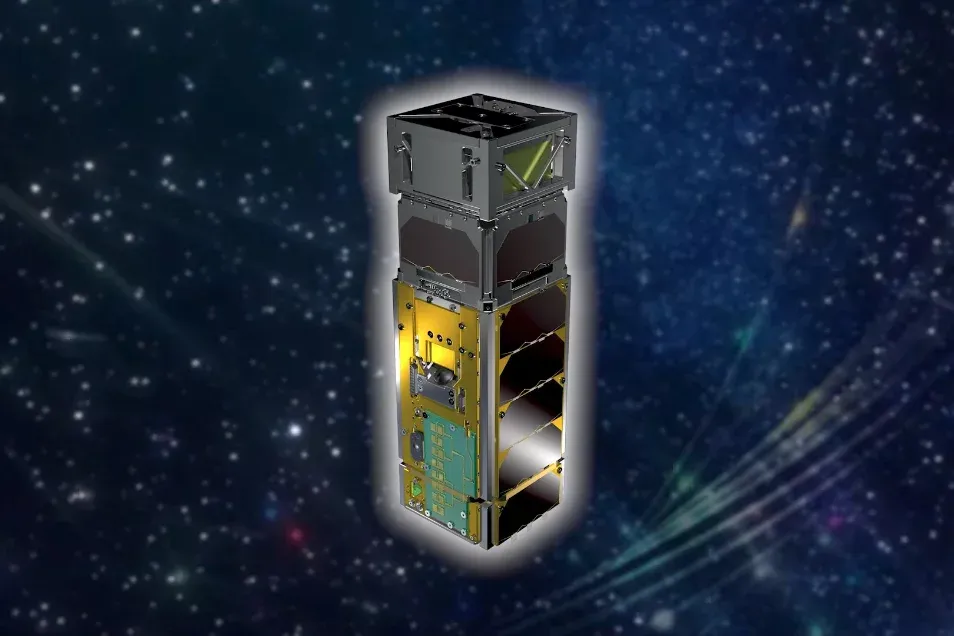
University student teams can develop CubeSats for only a few thousand dollars. These satellites can weigh from 2.2 pounds (1 kg) to 22 pounds (10 kg). They have a short development and production cycle. They are also light enough to be launched from "rockoons" (rockets carried to high altitude by balloons). Zero 2 Infinity’s Bloostar, for example, is being developed to lift a 308-pound (140-kg) payload into low-Earth orbit.
Advanced Antenna Technology
JAXA’s new satellite uses a low-cost reflectarray antenna. This technology has roots in the Soviet-US space race. Reflectarray antennas are different from traditional reflector antennas. They work well for orbital and outer-space missions.
A reflectarray uses a feed element, like the rod in a satellite dish. It controls the phase of the reflected signal across its flat reflector surface. This creates a focused beam.
The Kakushin Rising mission on April 23 was the second time in five months JAXA used Rocket Lab for a satellite launch. Rocket Lab, based in California, launches from the USA and New Zealand. They use their Electron rockets for smaller payloads.
Sir Peter Beck, Rocket Lab's CEO, noted the success. He said two successful missions in months show why Electron is a top choice for national space agencies. The global CubeSat industry is worth $355 million.
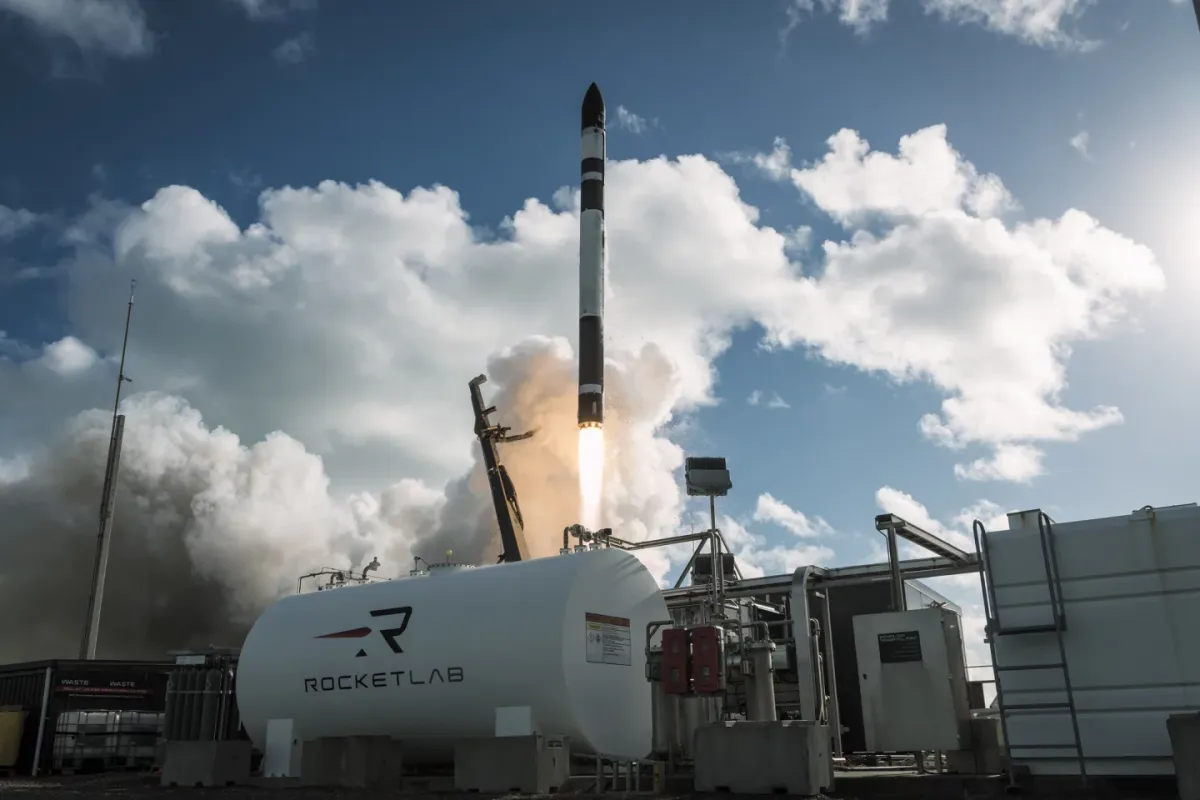
Rocket Lab offers launch services, spacecraft, and on-orbit management. They have deployed over 250 satellites. They work with US government agencies like NASA and DARPA, and companies like Canon.
You can learn more about JAXA's origami CubeSat in this Japanese-language video:
「革新的衛星技術実証4号機」が拓く未来の技術-折り紙リフレクトアレーアンテナ実証衛星 OrigamiSat-2
Deep Dive & References: JAXA Rocket Lab