The death of climate scientist Yasuyuki Aono in 2025 left a significant gap in Japanese research. Aono had spent years building a unique database of 1,200 years of cherry blossom history. This record is one of the longest of its kind, showing how seasons have changed over time.
After his passing, people looked for someone to continue his important work. Just as Japan's 2026 cherry blossom season ended, a new record keeper was announced.
A New Steward for Ancient Data
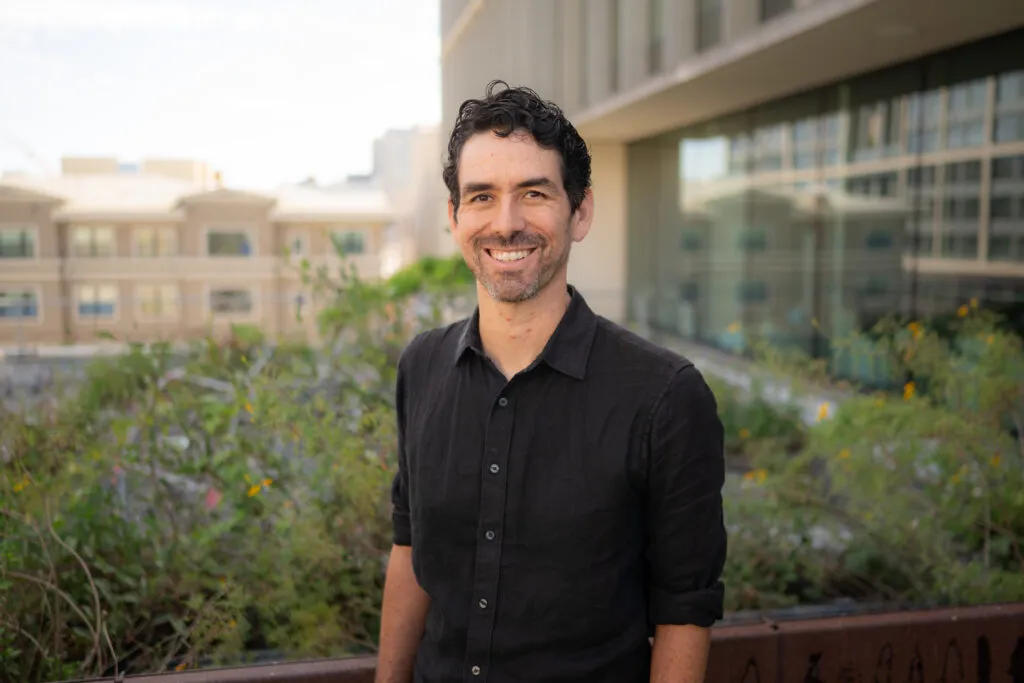
Genki Katata, an environmental biophysicist in Tokyo, will now take on this special role. He will track and predict the cherry blossoms in Kyoto, which are a beloved sign of spring.
We're a new kind of news feed.
Regular news is designed to drain you. We're a non-profit built to restore you. Every story we publish is scored for impact, progress, and hope.
Start Your News DetoxKatata, who works at the Canon Institute for Global Studies, told the New York Times that keeping the Kyoto data alive is a very important job. He plans to continue this work for as long as he can.
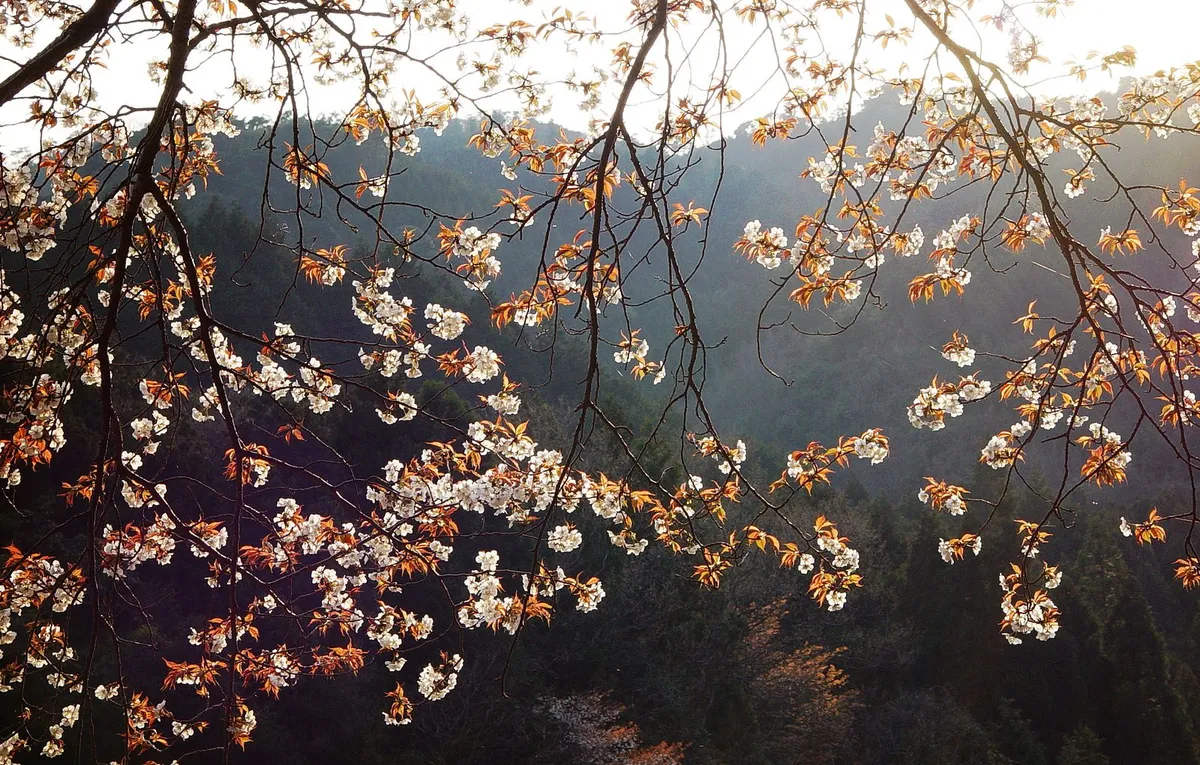
The peak bloom, called mankai, happens when 80% of a cherry variety's flowers have opened. The Japanese Meteorological Agency tracks this for Yoshino cherry trees, marking the unofficial start of spring.
Aono focused on the Yamazakura cherry trees in Kyoto. He used historical records to create calendars of bloom dates going back to 812 C.E.

Unlocking History to Understand Climate
Aono taught himself ancient Japanese script to read old texts. These texts helped him figure out when flowers likely bloomed each year. For example, a diary entry from April 14, 1644, by noble Tokitsune Hiramatsu, mentioned enjoying cherry blossoms and sake near the Kyoto Imperial Palace.
Aono's work is important for both culture and science. Researchers worldwide have used his cherry blossom records to study how climate change has affected Japan's seasons.
In 2009, climate researchers noted in Biological Conservation that Kyoto's cherry blossom festival records from the ninth century help reconstruct past climate. They show a local temperature increase linked to global warming and city growth, citing Aono's data.
This warming trend continues. The Japanese Meteorological Agency recently introduced a new word, kokushobi, for "brutally hot" days over 40 degrees Celsius (104 degrees Fahrenheit).
Continuing a Legacy
Aono's journals show he tracked cherry blossoms until his final months. Tuna Acisu, a data scientist at Our World in Data, noted that Aono had charts ready to be filled in for 2026, which were left empty. This showed his plan to continue his work.
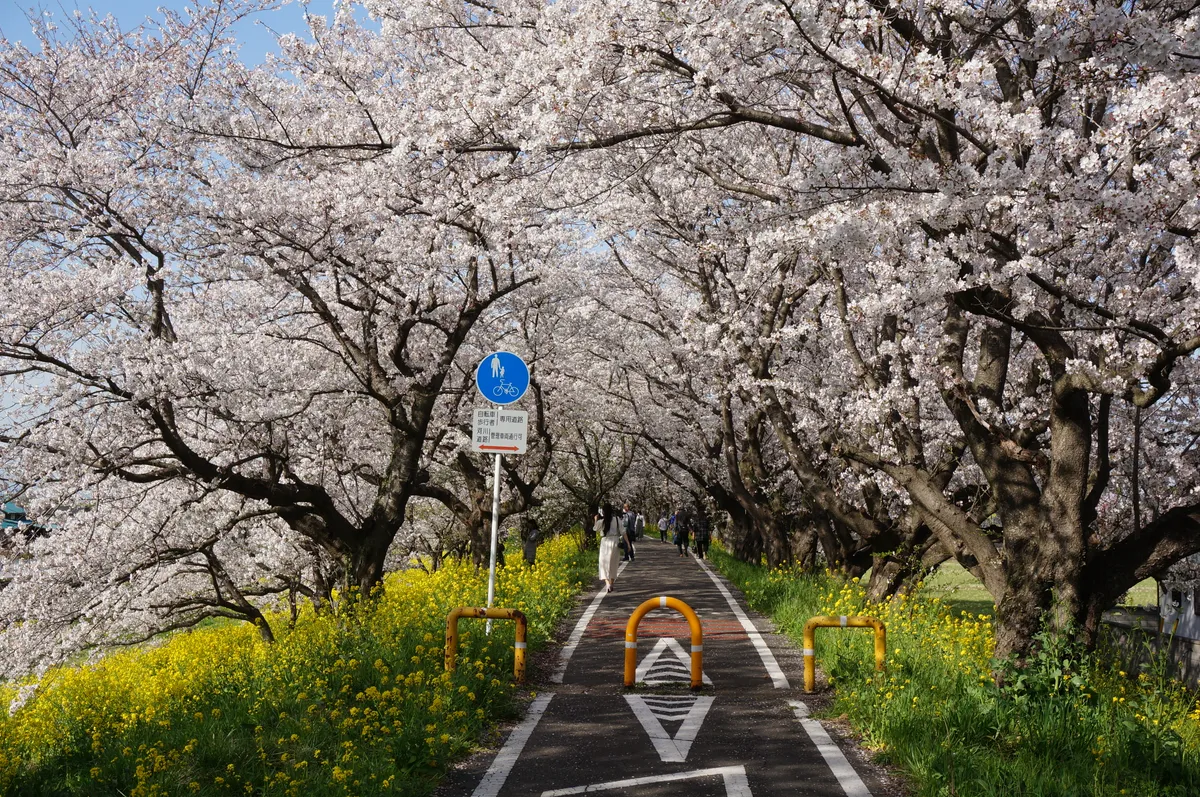
The peak cherry blossom bloom in Kyoto in 2026 happened at the end of March. This continues a trend of earlier springs in the city.
Katata plans to carry on Aono's research. He will track how climate changes, city development, and warming temperatures affect Kyoto's cherished trees. He emphasized the importance of this work to understand the current climate.
Deep Dive & References
- In Japan, a New Steward for 1,200 Years of Cherry Blossom Data Has Been Found, Sustaining a Climate Change Research Project - New York Times, 2026
- Cherry blossom season in Japan is getting earlier and earlier - BBC News, 2021
- Impacts of climate change on phenology and seasonality of cherry blossom in Japan - Biological Conservation, 2009
- Japan announces new word for 'brutally hot' days - BBC Weather, 2026
- Cherry blossom data: 1,200 years of records - Our World in Data
- It was kind of a drama: how Japan’s 1,200-year cherry blossom record was saved - The Guardian, 2026
- The Reengineer Newsletter - Chris Baraniuk