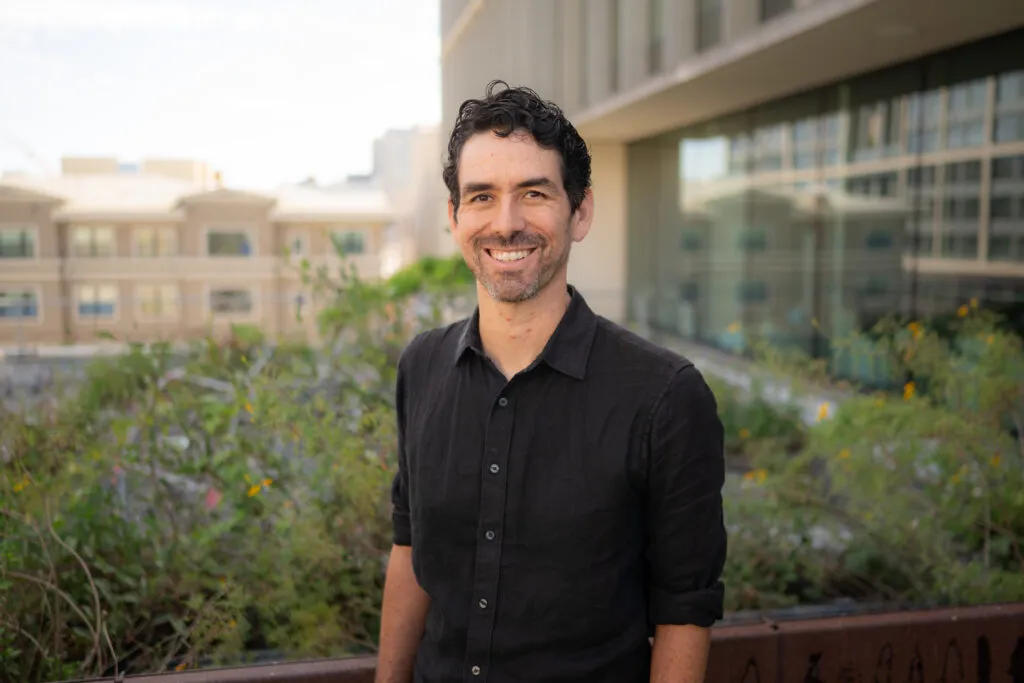
David J.X. Gonzalez, an assistant professor of public health at UC Berkeley, works to protect communities from environmental harms. His research focuses on issues like air pollution and emissions from oil and gas. He sees his scientific work as an "act of hope."
Gonzalez's research group, the EQUIS Lab, studies how environmental changes affect human health and create health disparities. Their goal is to provide research that is useful for policymakers and the communities most affected.
From Childhood Playground to Research Focus
Gonzalez grew up near the Guadalupe-Nipomo Dunes Complex on California's Central Coast. This area was his childhood playground, but it was also the site of a massive, decades-long oil spill. This experience inspired his current research into the health effects of California's oil and gas industry.
We're a new kind of news feed.
Regular news is designed to drain you. We're a non-profit built to restore you. Every story we publish is scored for impact, progress, and hope.
Start Your News DetoxHis work has influenced policies about how close oil wells can be to homes. It has also sparked discussions about how oil drilling and worsening wildfires impact human health.
Gonzalez noted that while his research counts the harm caused by pollution, he hopes to shift towards counting benefits. He acknowledged that current federal actions, such as rejecting scientific consensus on climate change and cutting environmental regulations, make this future seem distant.
Despite these challenges, Gonzalez finds inspiration in past fights for justice. He believes that collaborating with communities and quantifying harms is both his responsibility and a form of resistance.
The Silent Spill and Personal Health
As a child in Nipomo, Gonzalez saw oil drilling machines alongside farm fields. He later learned that pipelines from the Union Oil Company of California had leaked about 12 million gallons of diluent for nearly four decades. This "Silent Spill" became one of the largest oil spills in U.S. history, contaminating the dunes and groundwater with benzene and other compounds.
The company, Unocal (later acquired by Chevron), closed the site in 1994. They agreed to a $9 million settlement for habitat restoration and visitor services.
Gonzalez said this disaster showed him the importance of regulating polluters and how scientists can protect marginalized communities.
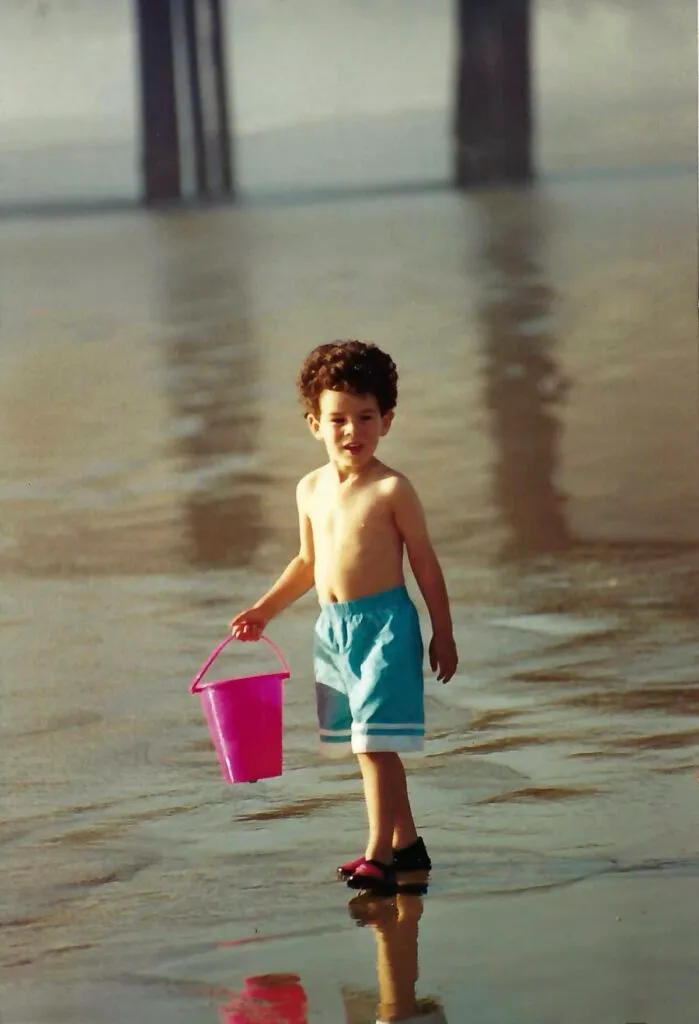
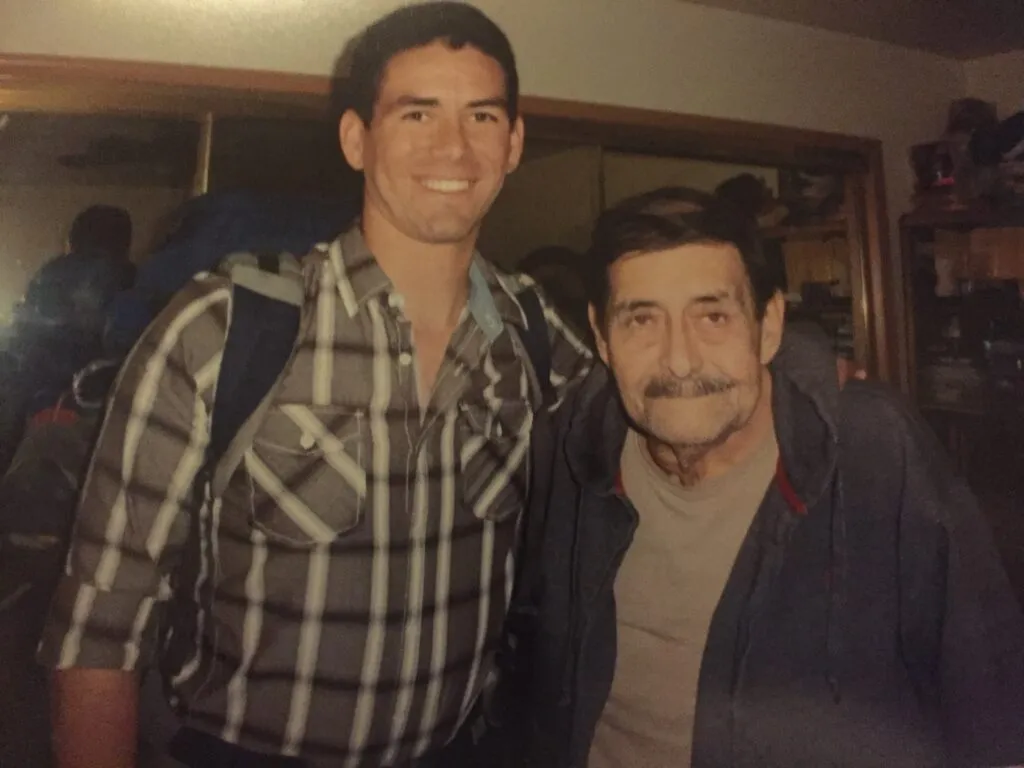
His childhood also included a personal health challenge. Gonzalez suffered from pseudotumor cerebri, an illness that caused severe headaches and vertigo. While not linked to the spill, this experience shaped his desire to prevent disease. He wants every child to have the chance to live a happy, healthy life.
Researching Oil's Impact and Finding Solutions
Money from the Guadalupe-Nipomo Dunes settlement helped fund organizations like the Dunes Center. Gonzalez's sister interned there, inspiring his own path. He later returned to the area as a UC Davis undergraduate, helping with habitat monitoring and restoration related to the spill.
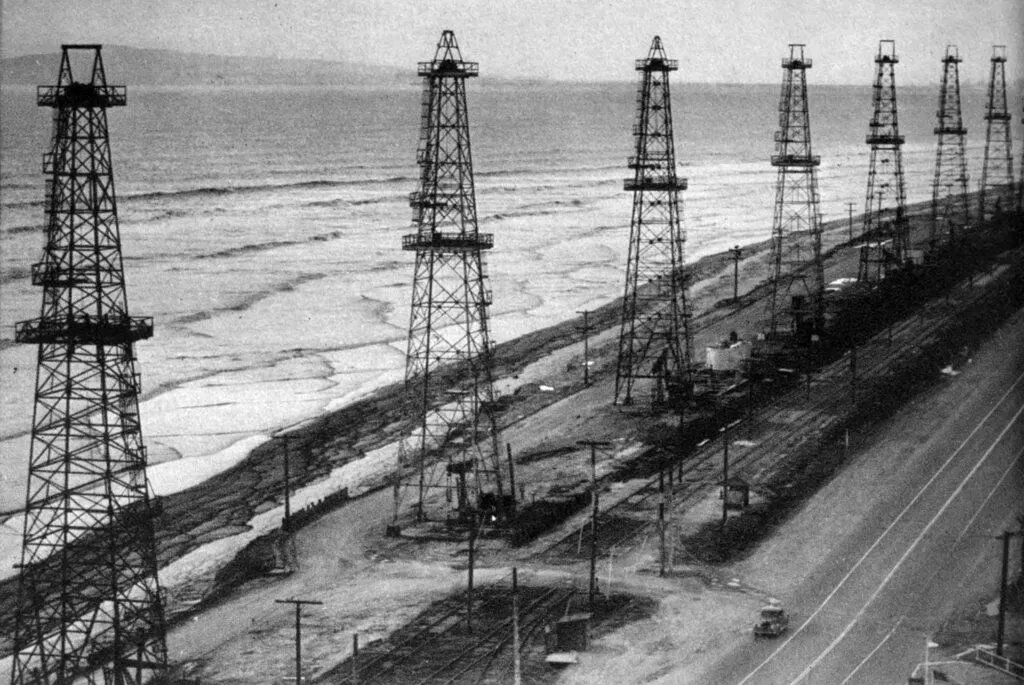
During his graduate studies, Gonzalez learned about the links between California's oil production, air pollution, and poor birth outcomes. He noted that in the 1920s, Southern California produced 20% of the world's oil, with drilling common near growing communities.
Despite the obvious concerns, there is still a lack of research on the oil industry's effect on human health. Gonzalez believes that communities with direct experience should help shape research, which can then improve lives.
A multi-year study led by Gonzalez found that living near oil wells was linked to preterm birth. His team's findings contributed to a 2024 state report. Advocacy groups and lawmakers used this evidence to create legislation about setback requirements for new oil and gas developments.
Gonzalez's approach is to work with communities, support their knowledge with scientific evidence, and bring that evidence to regulators and policymakers. This approach served him well when he joined Berkeley in 2021.
Mentoring and Community Engagement
Rachel Morello-Frosch, a professor at Berkeley, hired Gonzalez as a postdoctoral fellow for a project on community health and oil and gas development. She praised his commitment to innovative research and his ability to translate scientific work into policy change. Gonzalez became a Berkeley faculty member in 2023.
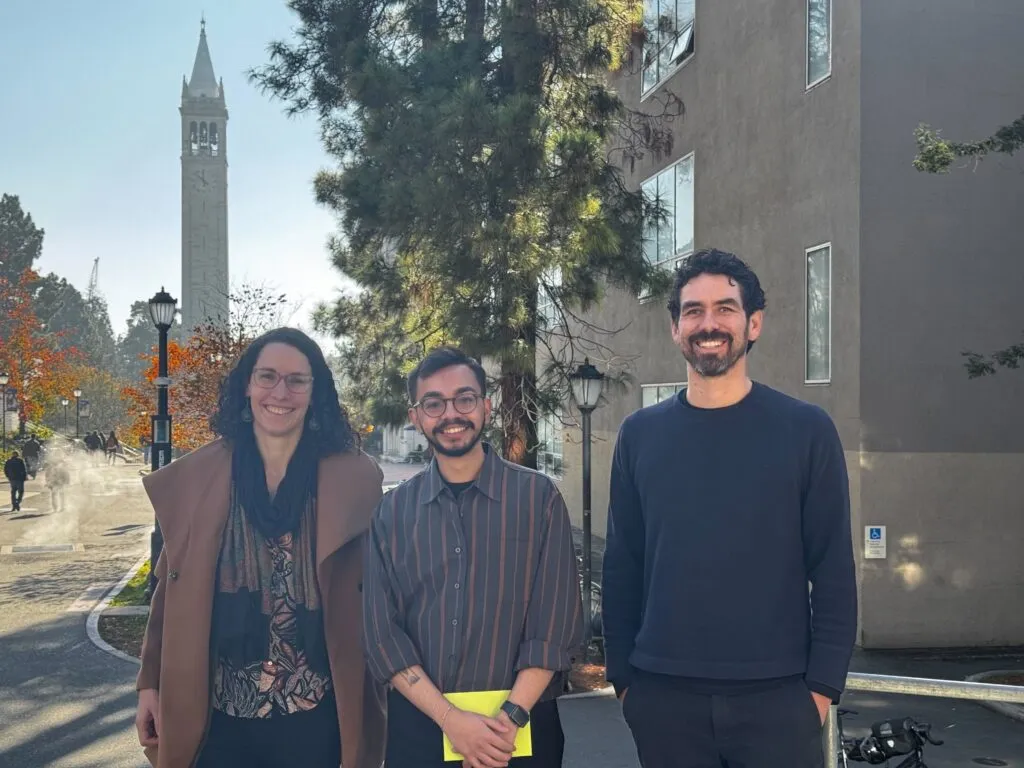
Since then, Gonzalez has led research into the combined effects of worsening wildfires. In 2024, his team found that over 100,000 oil and gas wells in the western U.S. are in areas recently burned by wildfires. About 3 million people live near wells that could be in future fire paths, creating potential health risks.
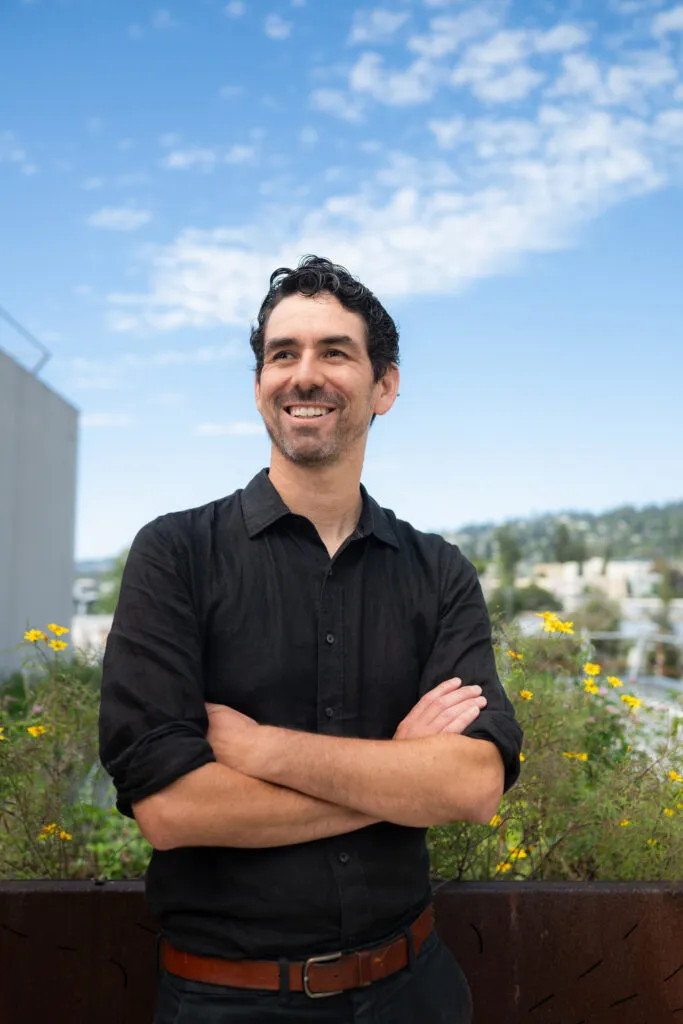
In his environmental health equity course, Gonzalez encourages students to examine their surroundings and question pollution in places they grew up. He also opens his lab meetings to all students and translates his research findings into Spanish to reach a wider audience.
Lara Schwarz, a postdoctoral researcher, described Gonzalez as a thoughtful mentor who focuses on the impact and accessibility of their work.
Gonzalez emphasizes that connecting with students and communities is vital to his research. He believes that firsthand expertise from local meetings and interviews can be more valuable than textbook lessons. For many, environmental issues are not just something to read about, but something they live every day.
Deep Dive & References
Oil and gas production and spontaneous preterm birth in the San Joaquin Valley of California: A retrospective cohort study - Environmental Epidemiology, 2020 California Oil & Gas Rulemaking: Health and Economic Impacts of Oil and Gas Production in California - PSE Healthy Energy, 2024