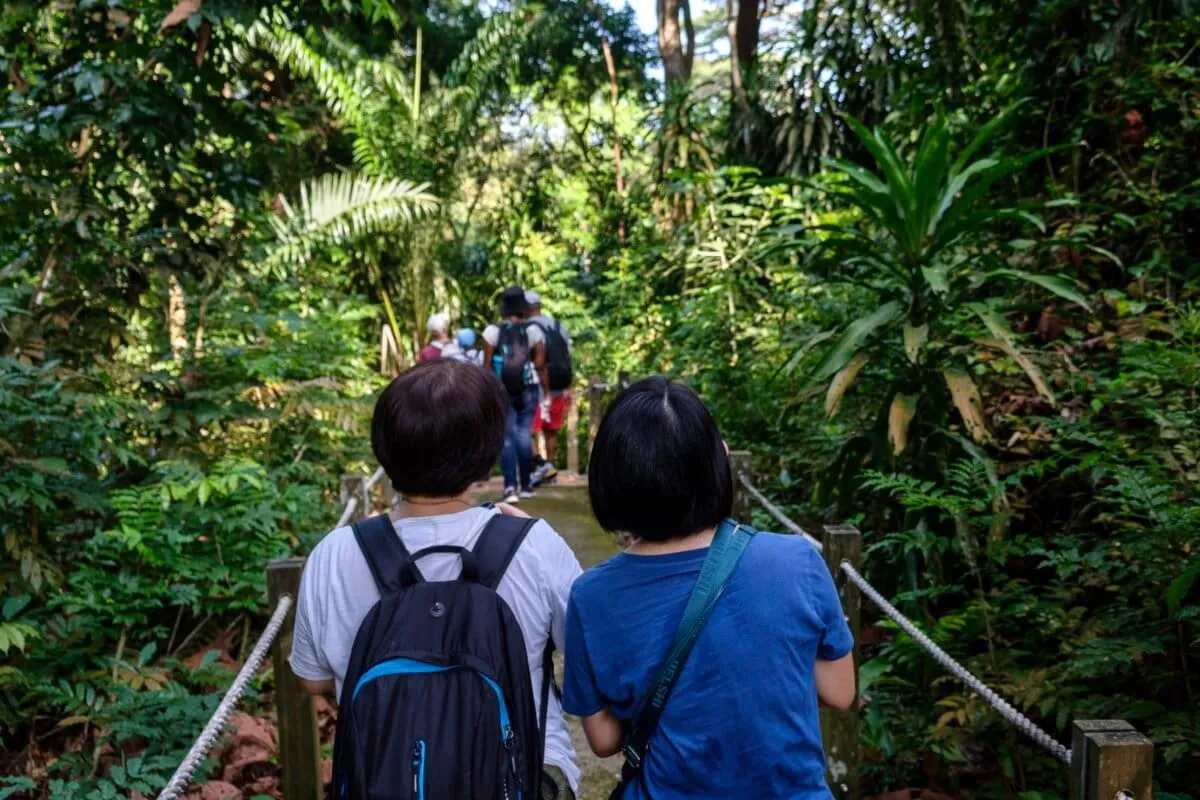
On the edge of a bustling Singapore suburb, Lay Hoon spends one day a month doing something extraordinary. For eight years, she's been a primate detective, combing dense treetops for movement and listening intently for the tell-tale rustle that isn't just a squirrel.
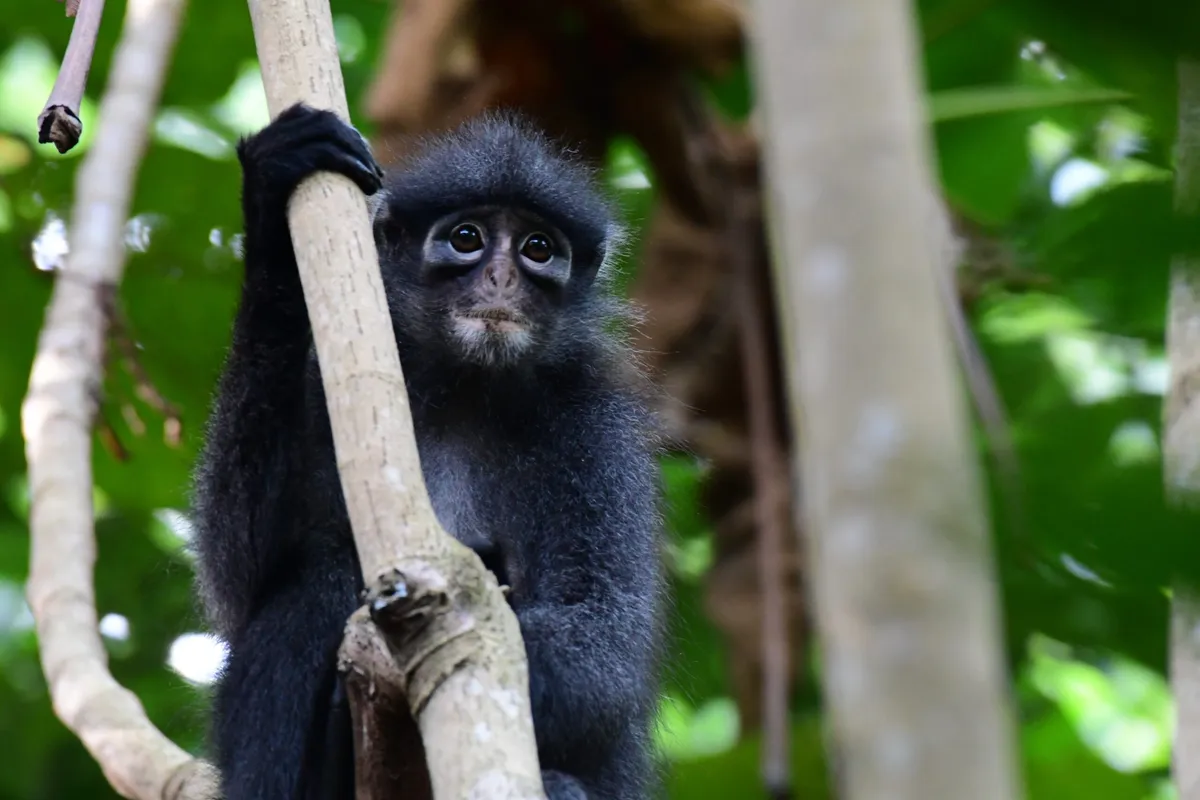
"Before we see the langurs, we usually hear them," Hoon notes. She's hunting for the Raffles' banded langur, a critically endangered leaf-eating monkey. Think of it as a arboreal VIP — Very Important Primate — with fewer than 80 left in Singapore, and a global population barely hitting 250.

These langurs are canopy dwellers, meaning they prefer to navigate the world via tree branches, not the ground. Which, when you're living in fragmented forest patches surrounded by a rapidly urbanizing city, presents a bit of a logistical nightmare. Singapore, after all, has lost over 99% of its original primary forest.
We're a new kind of news feed.
Regular news is designed to drain you. We're a non-profit built to restore you. Every story we publish is scored for impact, progress, and hope.
Start Your News DetoxEnter the citizen scientists, Hoon among them. These dedicated volunteers are the eyes and ears of the Raffles' Banded Langur Working Group. They track the langurs, document their movements, and help identify where these elusive creatures are — or aren't — able to travel.
Bridging the Gaps
This data is gold. It helps conservationists pinpoint critical gaps in the tree canopy. Armed with this knowledge, they're literally building bridges for monkeys. Specifically, rope bridges and planting new trees to create continuous arboreal pathways, reconnecting isolated forest fragments like the 10-hectare Lower Peirce Reservoir Park with the larger Central Catchment Nature Reserve.
It's a high-stakes game of connect-the-dots, where the dots are forest patches and the lines are lifelines for some of the world's rarest primates. And it’s a testament to the fact that sometimes, the most sophisticated conservation efforts start with someone simply listening for a rustle in the leaves.