Well, here we are. After decades of promises, the world has officially stepped into the "age of electricity." This isn't just a catchy phrase; it's a seismic shift where things like driving your car and heating your house are increasingly powered by electrons, not combustion.
And the best part? A growing chunk of those electrons are coming from the sun and wind. Two new reports from the International Energy Agency (IEA) and the think tank Ember just confirmed that 2025 was, to put it mildly, a really good year for clean energy.
Renewables Are Eating the World's Energy Lunch
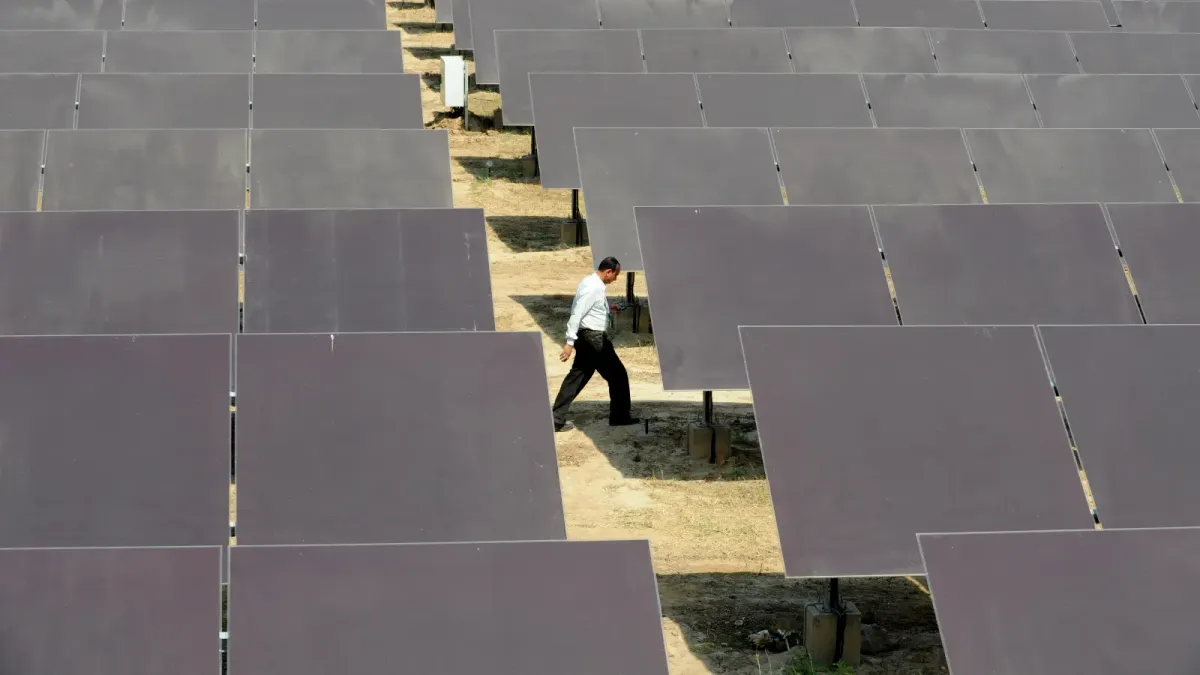
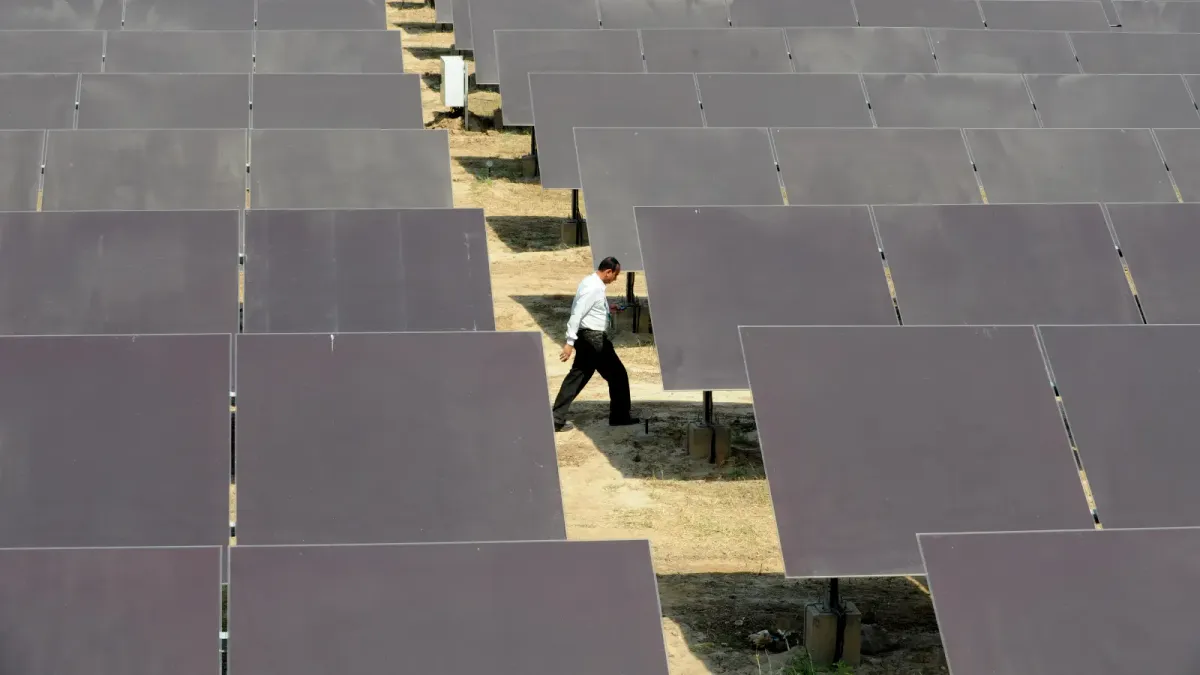
Solar power, the once-niche energy source, was the single biggest contributor to meeting the world's soaring electricity demands in 2025. In fact, new power from carbon-free sources — think wind, nuclear, and hydropower — actually exceeded the overall increase in demand. Let that sink in: renewables didn't just meet new demand; they started elbowing fossil fuels out of the grid.
We're a new kind of news feed.
Regular news is designed to drain you. We're a non-profit built to restore you. Every story we publish is scored for impact, progress, and hope.
Start Your News DetoxAs Daan Walter, a lead researcher at Ember, dryly observed, the global economy was booming and electricity demand shot up in 2025. Yet, every single watt of that new demand was met by renewables. Because apparently that's where we are now.
For the first time in over a century, renewables generated more global electricity than coal. And get this: China and India, two nations that collectively account for 42% of global fossil power generation, saw their fossil fuel electricity generation fall in the same year. For the first time this century. Both countries have been on a building spree, rapidly deploying solar, wind, and battery infrastructure. Speaking of batteries, their cost dropped by a staggering 45% in 2025, a steeper plunge than the 20% drop in 2024. Someone's accountant just had a heart attack.

The Ember report made it clear: this plateau in fossil fuel use wasn't some recession-induced fluke. Global economic growth was perfectly normal. This isn't a temporary dip; it's a lasting, structural shift away from burning things for electricity.
The Not-So-Clean Catch
But before we all start high-fiving, a dose of reality. While electricity is getting cleaner, oil, gas, and coal aren't exactly packing their bags yet. The IEA report noted that across the broader energy economy, renewables aren't replacing fossil fuels fast enough. Global carbon dioxide emissions actually hit a record high in 2025, creeping up 0.4% from 2024. The good news? The rate of increase is slowing down as renewables muscle their way in.
And here's a twist: for years, developed nations like the U.S. and the EU were leading the charge in emissions reductions. But in 2025, emissions from advanced economies grew faster than those from developing countries for the first time since the 1990s. The U.S. was the main culprit, with coal demand rising 10% as power producers, facing higher natural gas prices, just switched back to the dirtier stuff. Plus, a harsh winter and the insatiable hunger of new data centers for AI meant electricity use went through the roof. Because apparently, our chatbots need to glow.
The Leapfrog Effect
Yet, developing nations are showing some genuinely surprising moves. In Indonesia, electric cars now make up over 15% of new car sales. That's a bigger slice of the pie than in the U.S., and a massive leap from almost zero just a few years ago. Many customers aren't just upgrading; they're buying an EV as their first car, completely skipping the gasoline phase. Imagine that.
Walter pointed out that the energy transition was once seen as a developed-world luxury, with everyone else slowly catching up. Now, he says, "leapfrogging" is happening everywhere, with developing economies often outpacing their richer counterparts. Which, if you think about it, is both impressive and slightly terrifying for anyone who thought they had this whole "progress" thing figured out.