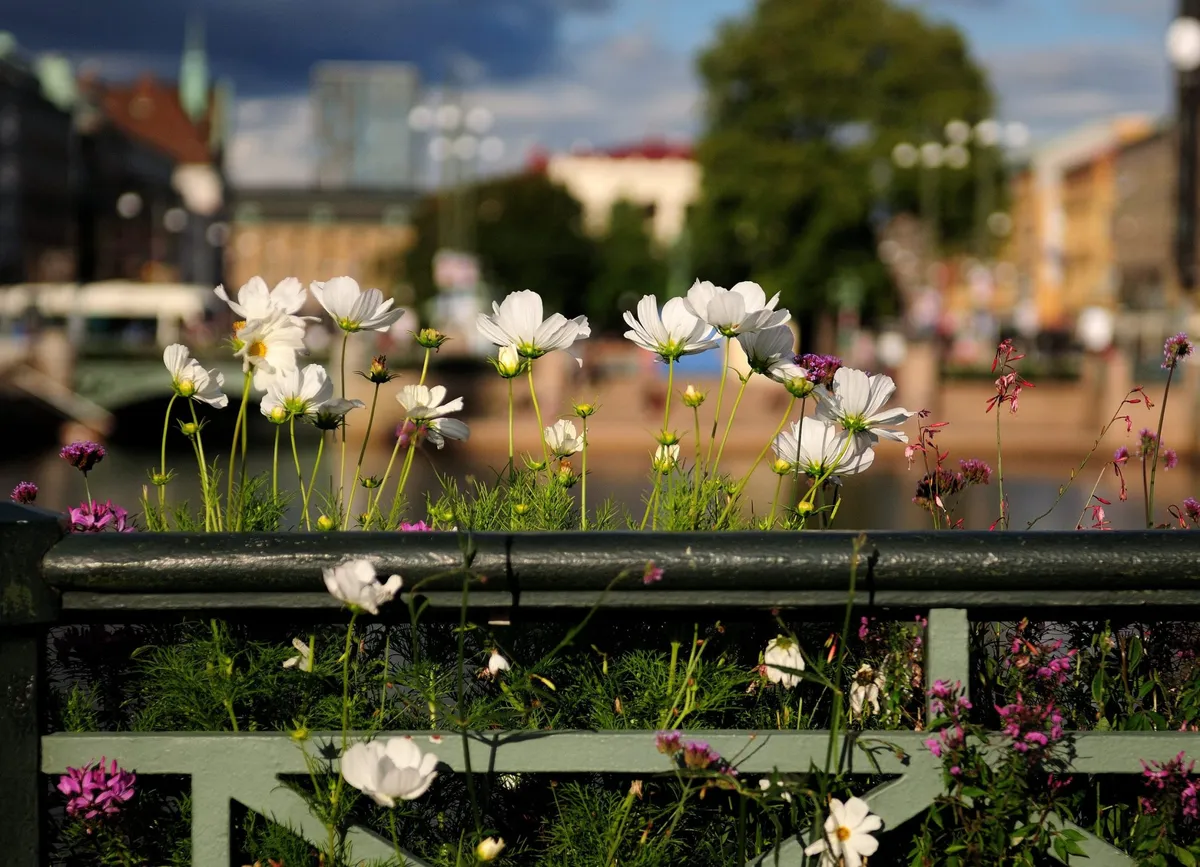
Wildflowers, those vibrant little rebels, are ditching their traditional meadow digs for something a bit more… urban. Turns out, the very things we associate with concrete jungles — stress, instability, and a general lack of manicured perfection — are exactly what these botanical anarchists crave.
For decades, the story was simple: wildflowers thrived in meadows and grasslands. But with 97% of the UK's wildflower meadows vanishing in the last century (thanks, intensive farming, for making everything so neat), these plants needed a new plan. Enter the city, an unlikely hero in this green drama.
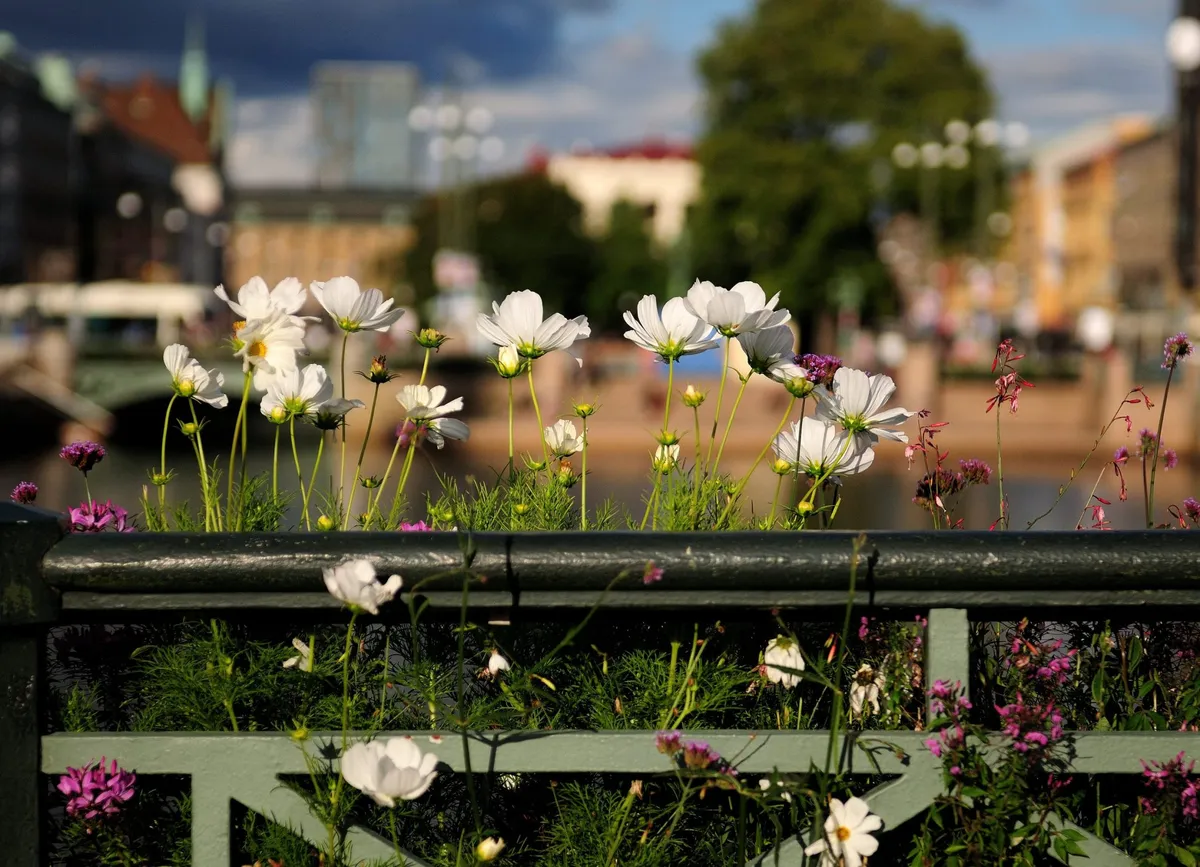
Nadine Mitschunas, a pollinator ecologist, explains that a bit of chaos actually helps. Stable, perfectly watered lawns are the botanical equivalent of a gated community with strict HOA rules. Wildflowers prefer the rough-and-tumble of a cracked sidewalk, where competition is low and the environment is, well, unstable. Because apparently that's where we are now: plants preferring a post-apocalyptic vibe over a pristine suburban one.
We're a new kind of news feed.
Regular news is designed to drain you. We're a non-profit built to restore you. Every story we publish is scored for impact, progress, and hope.
Start Your News DetoxThe City: A Botanical Buffet
Cities are essentially a patchwork quilt of microclimates. Pavements, walls, rooftops, riverbanks, forgotten railway lines — each offers a unique niche. This variety means wildflowers can find a spot where dominant grasses or shrubs won't elbow them out. It’s like a botanical speakeasy, hidden in plain sight.
Defining a "wildflower" in this urban context gets even fuzzier. Cicely Marshall, a research fellow, points out that one person's unsightly weed is another's cherished wildflower. It's a botanical identity crisis, playing out on a neglected patch of land that might look messy to some, but to a wildflower, it’s home.

The Brownfield Boom
If cities are a haven, brownfield sites are the penthouse suite. These abandoned industrial or commercial areas, often with contaminated soil and low nutrients, would send a traditional gardener running for the hills. But for wildflowers? Chef's kiss.
Heather Rumble, a lecturer, notes that industrial pollutants aren't always a deal-breaker. Some species actually like heavy metals. Plants, being the ultimate pragmatists, have simply evolved to use whatever's around. Historically, miners even used specific plants to locate lead deposits. It turns out, "disturbed soil" and "wildflower party" have been synonymous for ages.
Areas with minimal foot traffic, thin soil, and chemical stress create a natural bouncer, keeping most competing plants out. This leaves the door wide open for a surprisingly diverse array of specialized wildflowers to move in and set up shop.

The Buzz About Urban Blooms
When wildflowers take hold, the benefits ripple outward. Marshall's research found that a small patch of unmown lawn, transformed into a wildflower meadow, saw three times more plant, spider, and insect species than the surrounding grass. It even attracted more bats. More wildflowers mean more invertebrates, which means a healthier food chain. It's a tiny ecosystem glow-up.
Research in Warsaw, Poland, even showed that urban wildflower meadows had similar diversity to natural ones, suggesting the presence of flowers is more important than their postcode. And here's a wild one: bumblebees, usually packing it in for winter, are now establishing colonies in cities, feasting on non-native wildflowers that bloom out of season. Apparently, cities are the new all-inclusive resort for pollinators.
The Great Lawn Culture War
Not everyone is thrilled about this urban rewilding. Rumble calls it a "culture war" over urban meadows. Local authorities love them for boosting biodiversity and cutting down on maintenance. Residents, however, often complain they look "messy."
It’s a clash of aesthetics: the cultural preference for neat, green, golf-course-esque lawns versus the shaggy, untamed beauty of a natural space. In colder months, a wildflower meadow looks like… well, long, brown grass. To many, that screams neglect, not ecological planning. Which, if you think about it, is both a very human and very silly problem.
Urban ecology has historically been under-resourced and overlooked, perhaps because studying weeds on a cracked pavement isn't as glamorous as, say, a rainforest. But as we collectively realize we can't exist as humans alone, and that nature needs to be let in, attitudes are slowly shifting. Changing the ecology is the easy part, says Mitschunas. The real work is convincing people that long grass isn't a sign of abandonment, but a thriving, buzzing ecosystem right outside their door.