Washington State University (WSU) scientists have found a way to turn sewage sludge into a valuable energy source. Their new method produces cleaner natural gas more efficiently and cuts waste disposal costs.
Turning Waste into Energy
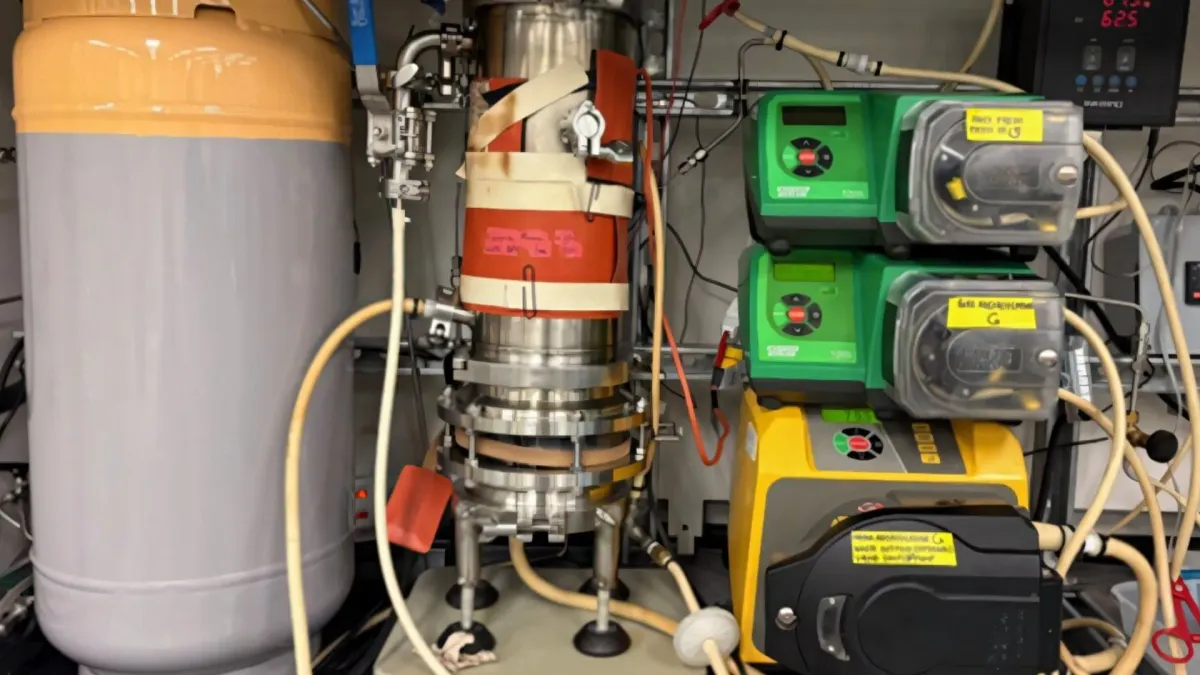
The WSU team developed a two-step process. It uses local sewage sludge and increases renewable natural gas production by 200%. This also cuts disposal costs in half. The high-purity gas can replace fossil fuels for heating, electricity, and transportation.
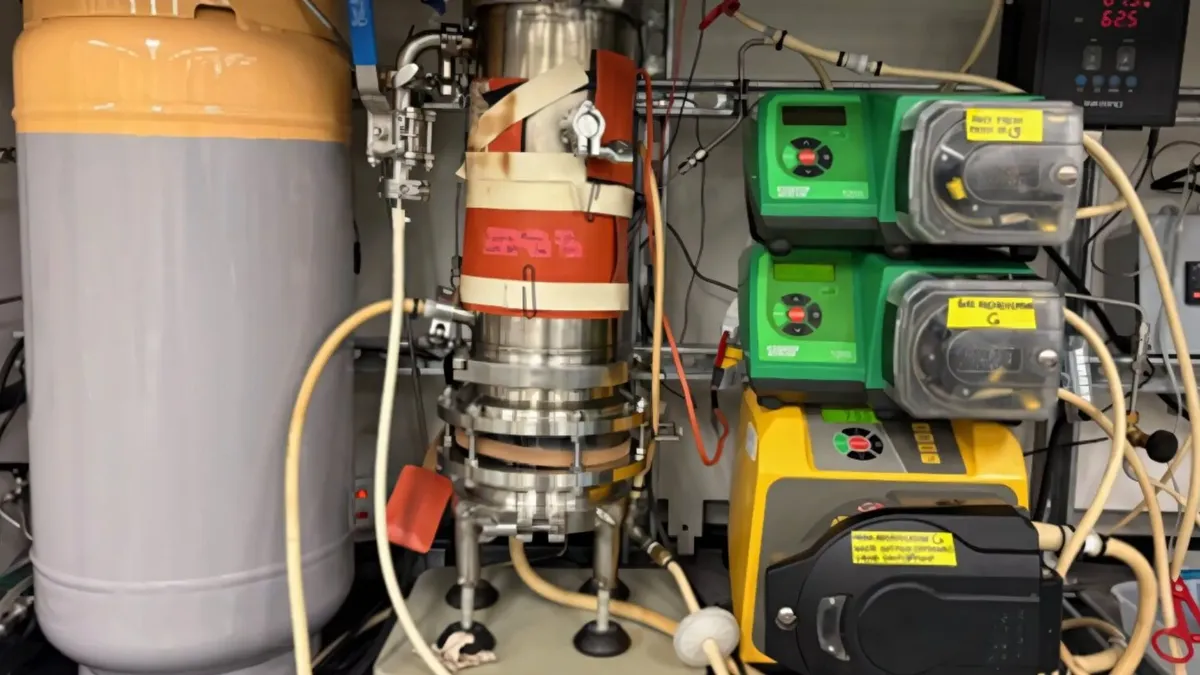
Birgitte Ahring, a WSU professor, explained that this technology converts up to 80% of sewage sludge into something useful. She believes if this works for other organic materials, it could be a world-class waste treatment method.
We're a new kind of news feed.
Regular news is designed to drain you. We're a non-profit built to restore you. Every story we publish is scored for impact, progress, and hope.
Start Your News DetoxWastewater treatment plants use a lot of energy. They consume about 4% of the country's electricity. These plants also release 21 million metric tons of greenhouse gases each year. They often use slow anaerobic digestion, which leaves behind "biosolids" that end up in landfills.
A Two-Step Solution
The WSU team's new method combines advanced pretreatment with a special bacterial strain. This creates a "circular bioeconomy" model.
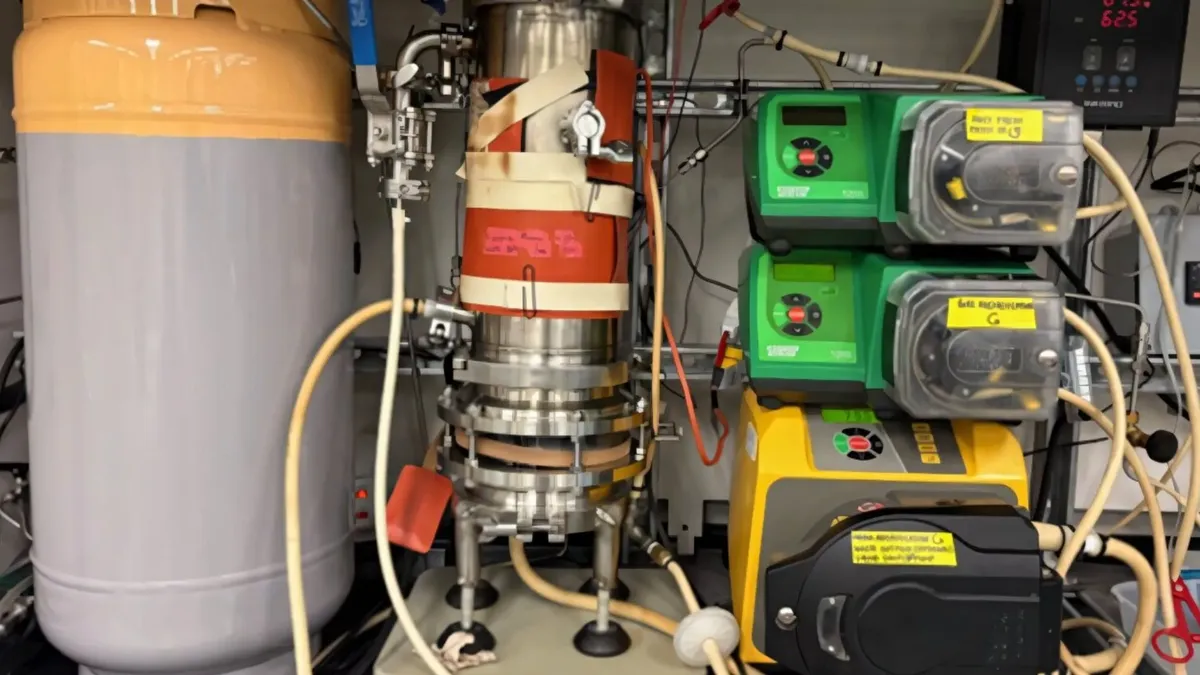
First, the sludge is heated to high temperatures and exposed to oxygen under pressure. The oxygen breaks down long molecular chains into smaller pieces.
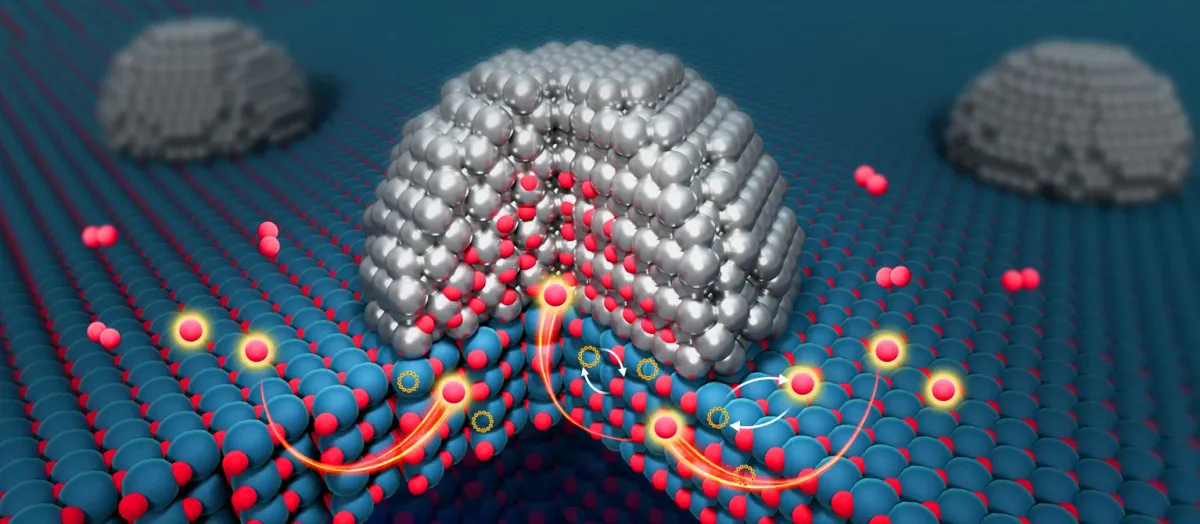
Next, a newly discovered bacterial strain is added. This bacteria is low-maintenance and converts carbon dioxide and hydrogen into 99% pure methane, or renewable natural gas.
Ahring noted that this "workhorse" bacteria doesn't need many additives. It works well with water and a "vitamin pill."
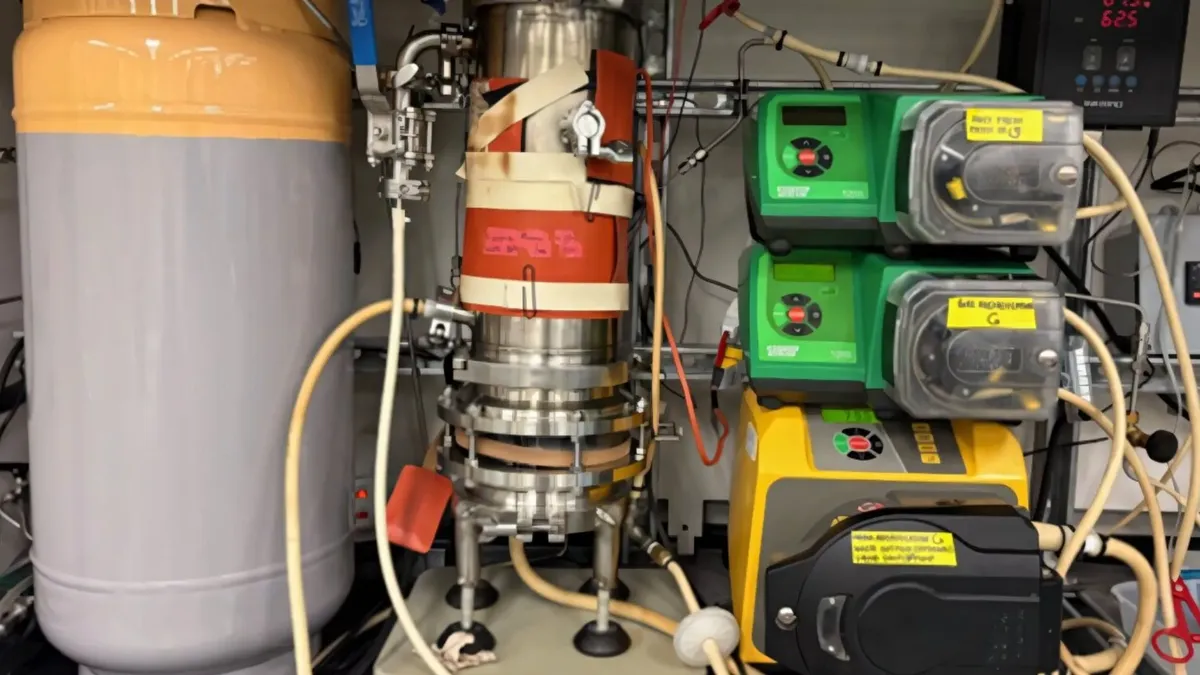
This efficient process nearly halves treatment costs, from $494 to $253 per ton. The team has a patent and is working with industry to make this technology available commercially.
Professor Ahring said the system maximizes methane production and creates gas ready for pipelines. This new model could turn waste management into an efficient energy recovery system. If successful, it could eliminate the 21 million metric tons of greenhouse gases from water treatment plants.
The findings were published in the Chemical Engineering Journal.