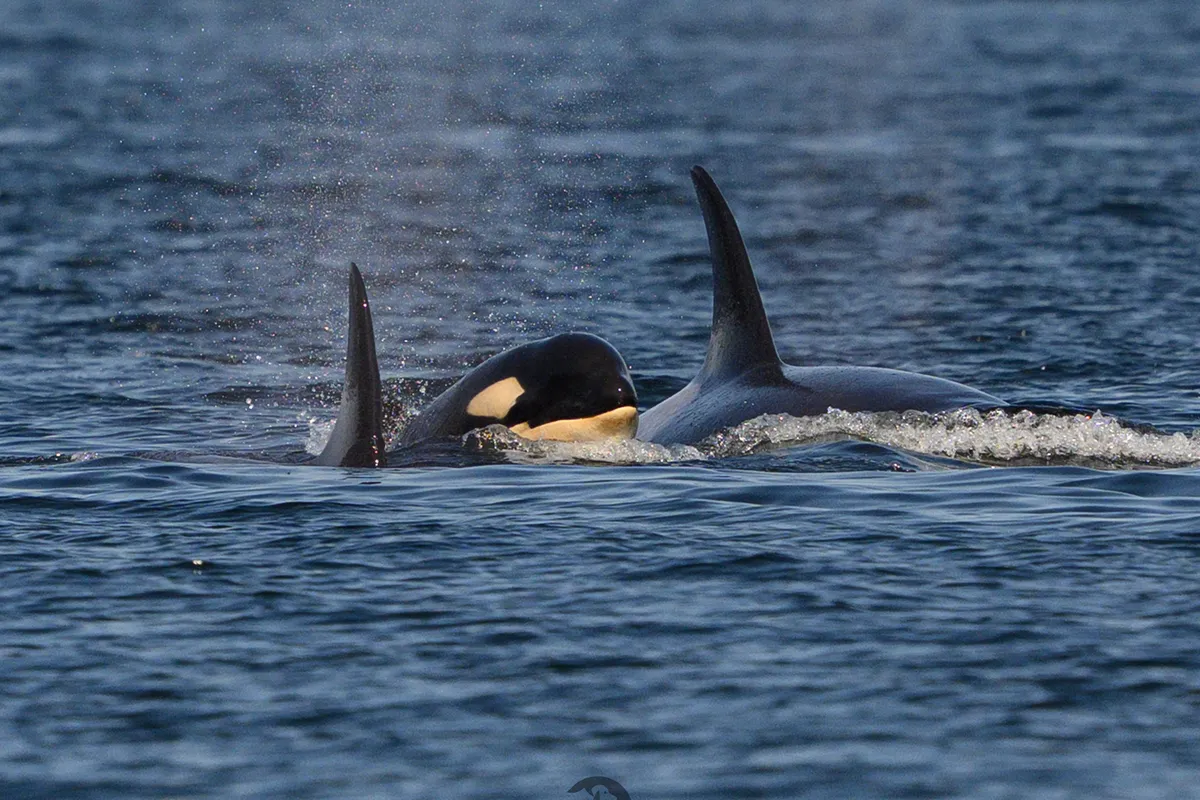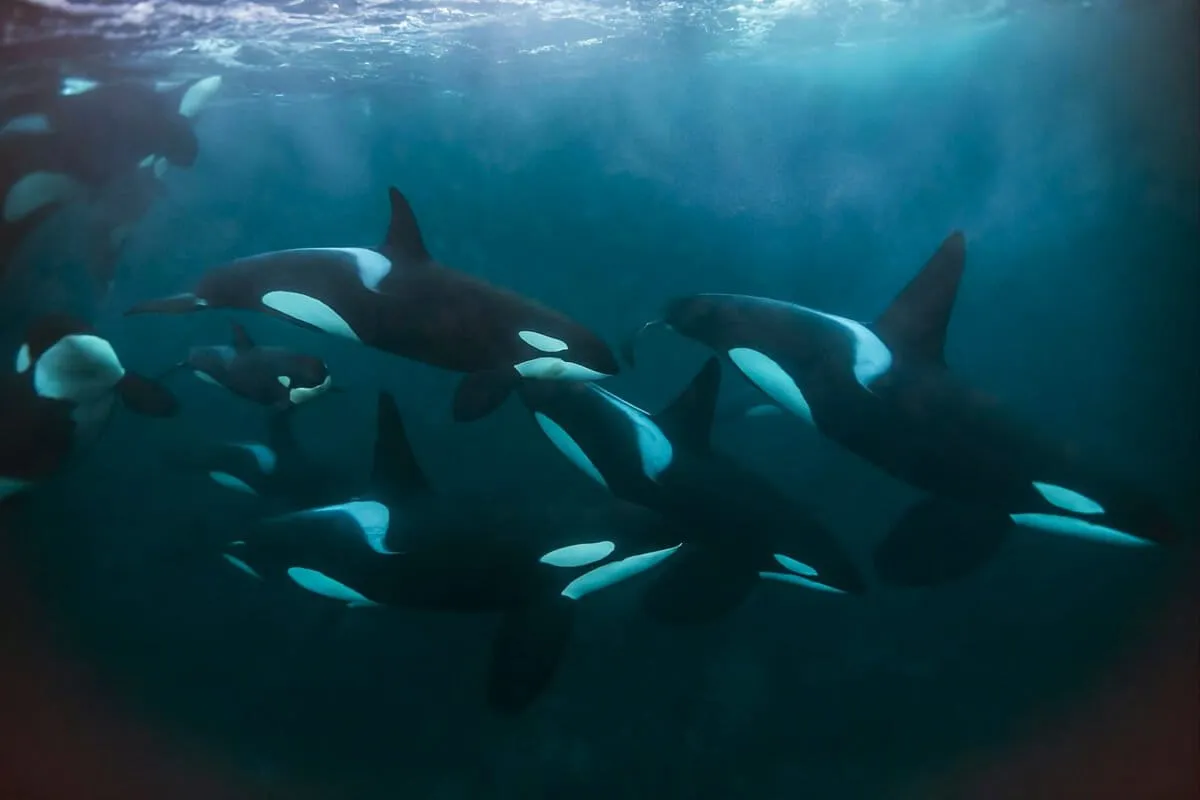
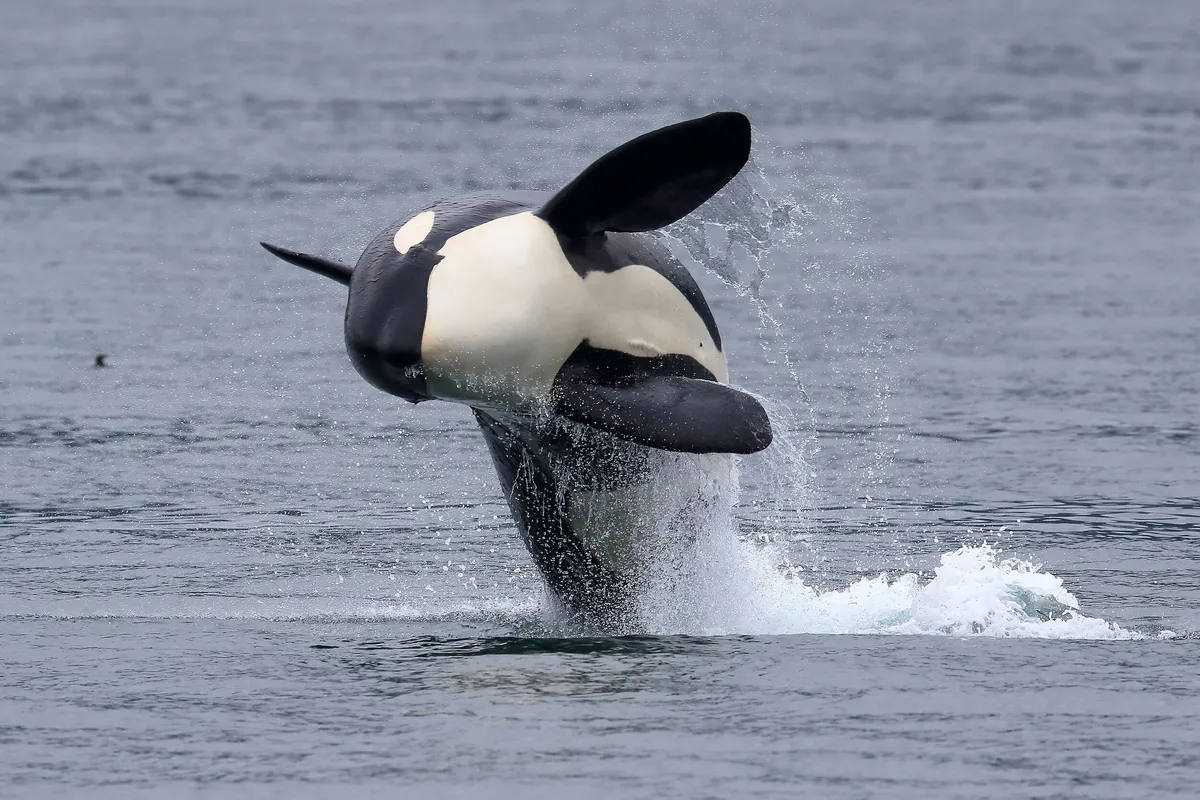
Picture this: you're trying to have a nice, quiet meal, and suddenly a parade of noisy motorboats decides to zip past your table. That's pretty much life for the southern resident orcas off North America's northern Pacific coast. These magnificent creatures are critically endangered, with only 76 individuals left as of December 2025. Seventy-six. Let that number sink in.
Enter OrcaHello, an AI tool that's basically a 24/7 underwater eavesdropper for a good cause. Its mission? To listen for these specific orcas in real time, alerting scientists and government groups so they can keep human activities, particularly noisy boats, from disrupting the whales' already precarious existence.
The Silent Threat Below
These orcas are facing a triple threat. First, their favorite snack, Chinook salmon, is getting harder to find. Second, the constant churn of noise pollution and boat traffic makes it tough for them to communicate, hunt, and generally exist in peace. And as if that weren't enough, David Bain, chief scientist at Orca Conservancy, points out that with such a tiny population, inbreeding is also a serious concern.
We're a new kind of news feed.
Regular news is designed to drain you. We're a non-profit built to restore you. Every story we publish is scored for impact, progress, and hope.
Start Your News DetoxOrcaHello, co-created by Akash Mahajan, is tackling the noise and traffic problem head-on. It's built on Orcasound, an open-source network of underwater listening devices, and it works like this: the system picks up orca calls, identifies them, and then sends out real-time alerts. Because apparently, we've reached the point where AI needs to step in and tell us to give whales some space. Which, if you think about it, is both impressive and slightly terrifying.
It's a clever bit of tech trying to give these incredible animals a fighting chance. Because a little peace and quiet might just be what saves them.