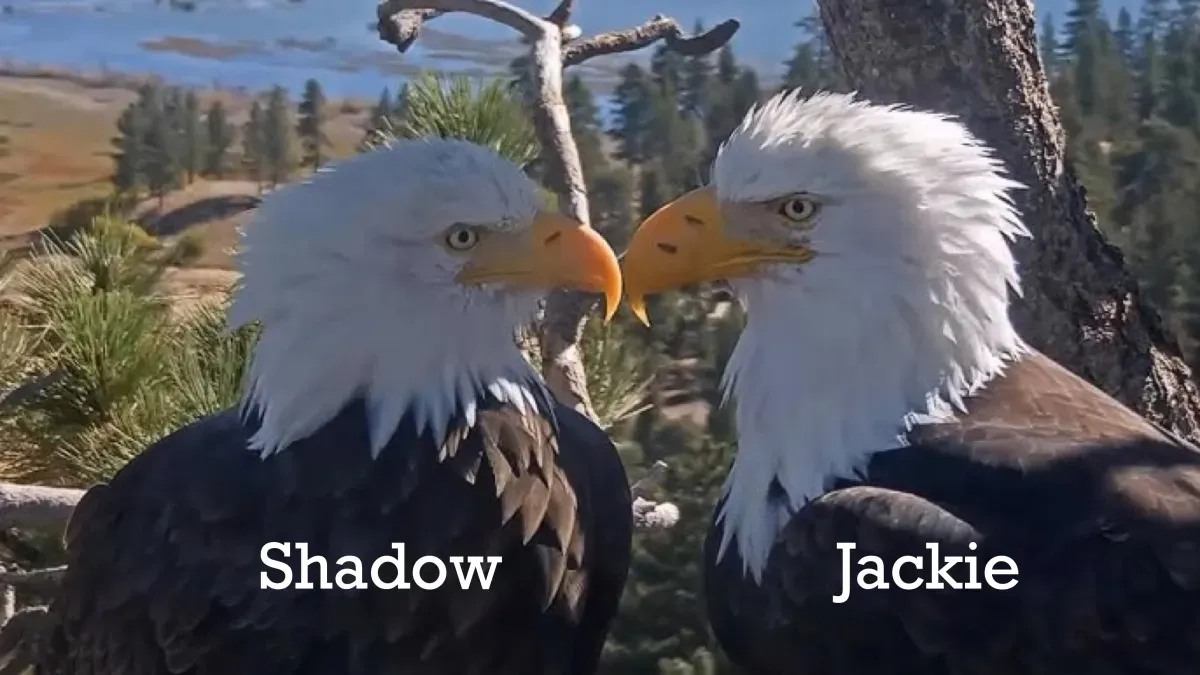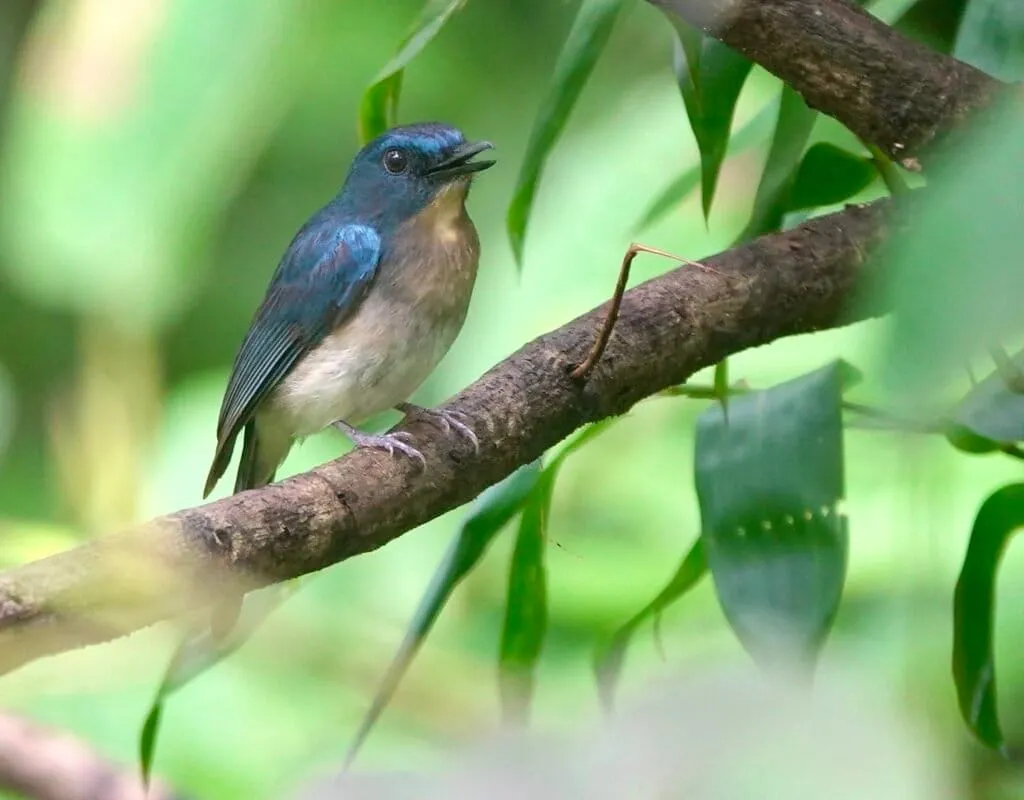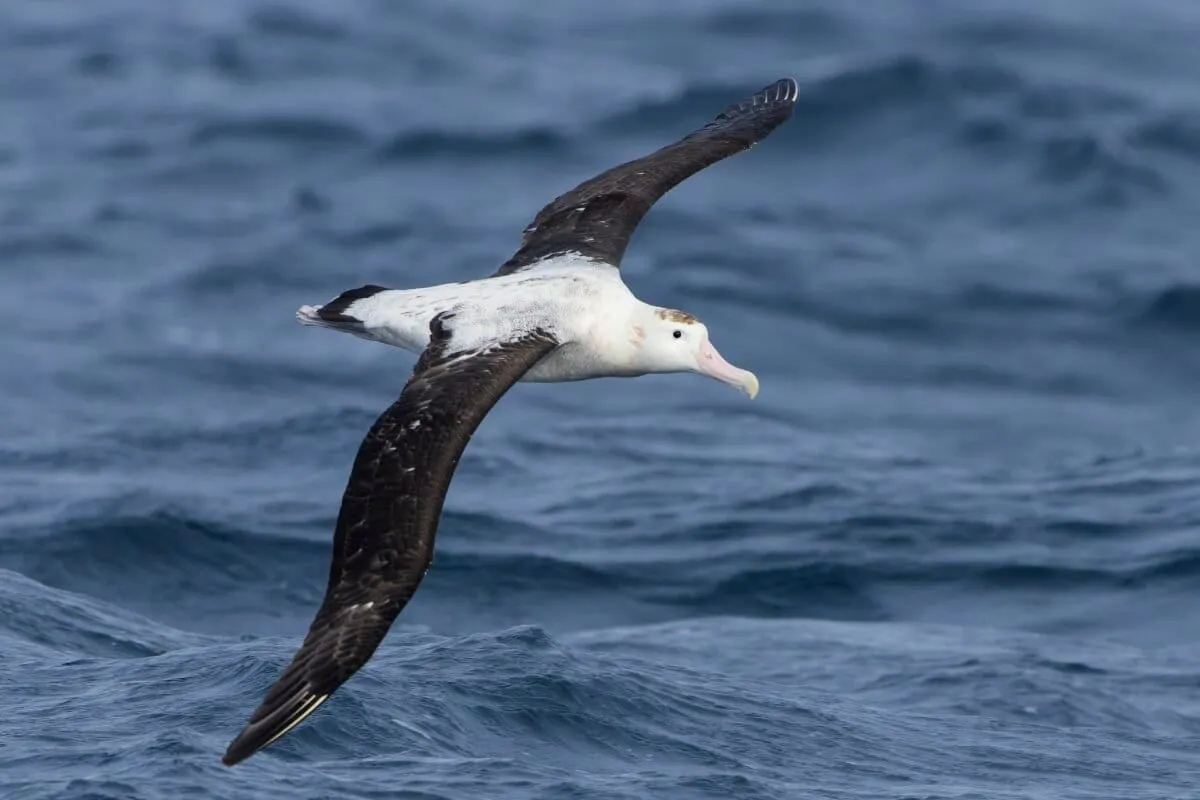
Turns out, birds don't just wing it. They've got flight paths, just like planes, but way more scenic. And now, for the first time, the U.N. has officially recognized six major "marine flyways" – essentially, superhighways in the sky for seabirds traversing vast ocean stretches.
This isn't just a fun fact for your next trivia night. It's a massive win for conservation, giving 151 different seabird species a much-needed lifeline. Because, let's be honest, life as a seabird is getting tougher than ever.
A Feathered Network Spanning Nations
These newly recognized flyways connect a staggering 1,300 critical biodiversity hotspots. Think of them as the birds' favorite rest stops and diners along their epic journeys. And here's the kicker: these routes crisscross 54 different nations.
We're a new kind of news feed.
Regular news is designed to drain you. We're a non-profit built to restore you. Every story we publish is scored for impact, progress, and hope.
Start Your News DetoxThat means 54 countries now have a formal framework, thanks to the U.N.'s Convention on Migratory Species (CMS), to actually coordinate their conservation efforts. No more everyone-for-themselves bird protection. It's a genuinely global effort to tackle threats like accidental fishing gear entanglement and habitat loss on breeding grounds.
As Tammy Davies, a marine science coordinator at BirdLife International and co-author of the research, put it: this recognition finally shines a spotlight on the incredible journeys these birds make, and the truly international effort it will take to keep them soaring. Which, if you think about it, is both impressive and slightly terrifying – these birds have always known where they were going, we just finally started paying attention.