Wildlife and humans are doing well in areas recognized by Unesco. This has helped threatened species and habitats around the world recover.
Globally, wildlife populations have dropped by almost three-quarters since 1970. However, populations within Unesco-protected areas have stayed mostly stable.
Tales Carvalho Resende, a co-author of the report "People and Nature in Unesco Sites," called this "good news." He noted it shows these sites are very strong even as the world changes.
We're a new kind of news feed.
Regular news is designed to drain you. We're a non-profit built to restore you. Every story we publish is scored for impact, progress, and hope.
Start Your News DetoxChallenges to Protected Areas
Despite the good news, these sites face serious threats. Since 2000, over 300,000 square kilometers of tree cover have been lost in Unesco sites. This area is larger than the Republic of the Congo. Most of this loss is due to farming and logging.
About 90% of Unesco sites worldwide are also under "high levels" of environmental stress, mainly from extreme heat.
Unesco predicts that one in four designated sites could reach critical climate tipping points by 2050. These points include glaciers disappearing, coral reefs collapsing, and forests drying out. Forests could even turn from absorbing carbon to releasing it.
Carvalho said climate change is now the main threat to these sites. He stressed that they need to adapt to upcoming challenges and that investing in them is worthwhile.
Havens for Endangered Species
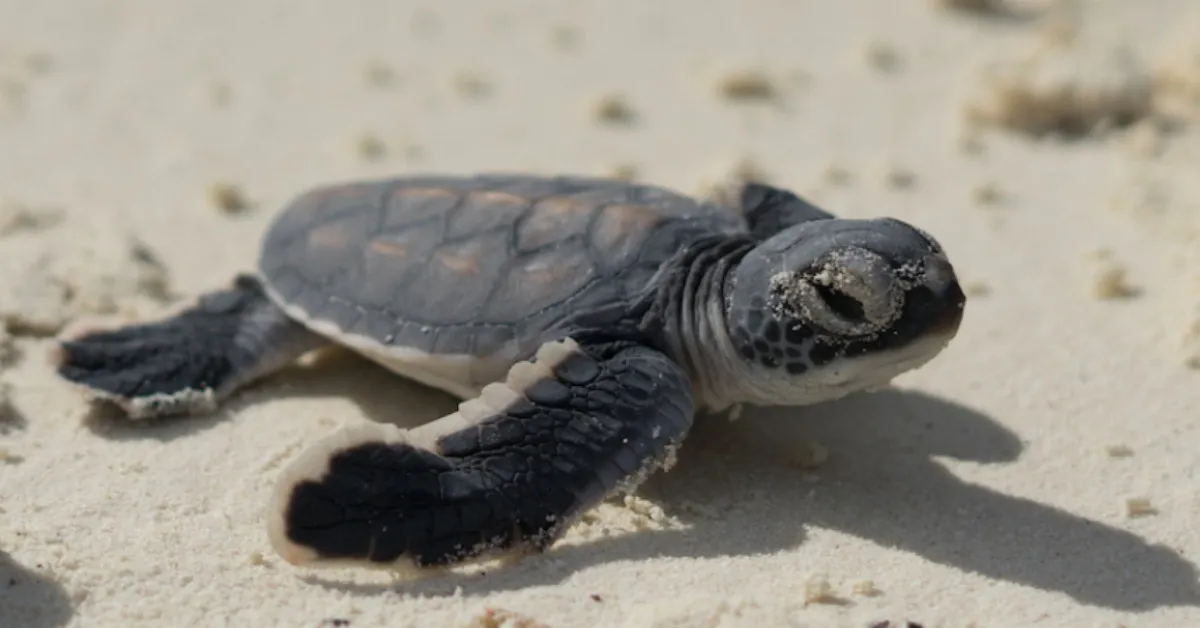
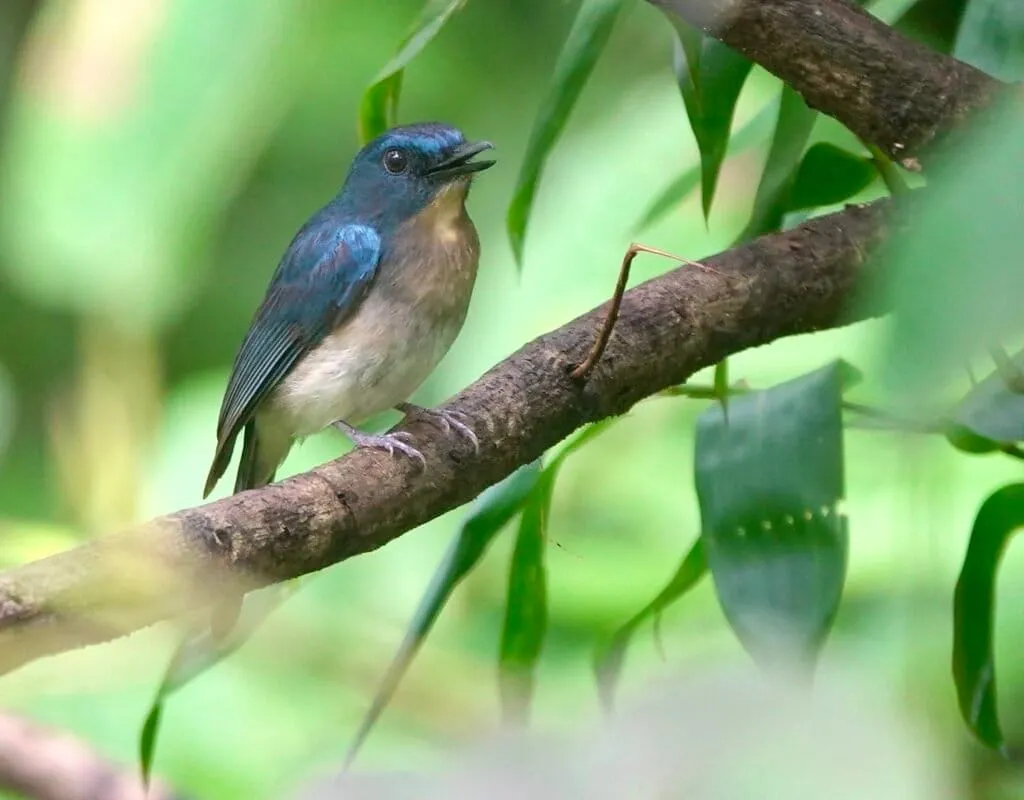
Many large, well-known animals, whose numbers have fallen sharply, have found safety in Unesco sites. These sites often offer much better protection than other areas. About one-third of the world's remaining elephants, tigers, and pandas live in Unesco sites. About one in 10 great apes, giraffes, lions, rhinos, and dugongs also live there.
Some of the most endangered species are found only within Unesco reserves. This includes all 10 vaquita porpoises, about 60 Javan rhinoceros, and about 85% of the 15,000 Sumatran orangutans.
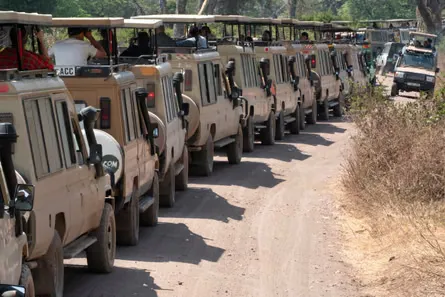 Photograph: Rob Taggart
Unesco sites are also home to about one-tenth of the world's population. These people benefit from the rich biodiversity and generate about one-tenth of the global GDP. This information comes from the first global report to assess all 2,260 protected areas.
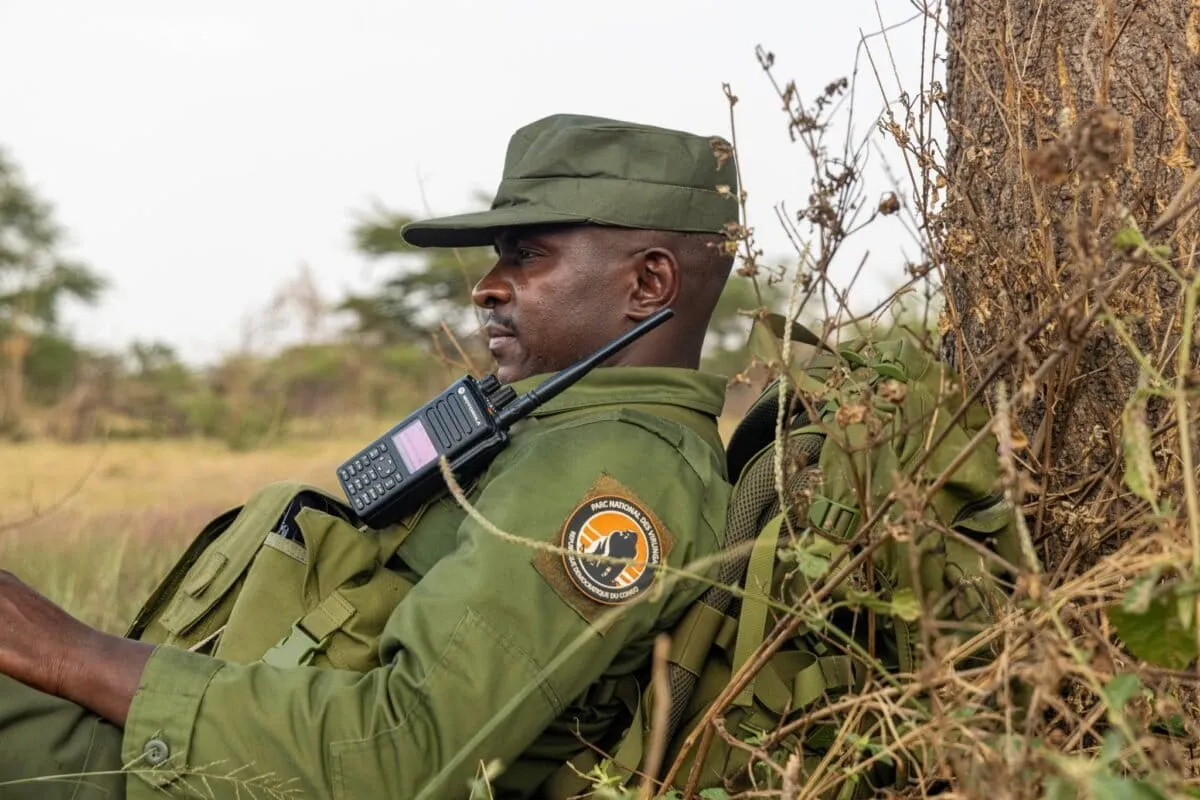
Carvalho highlighted Virunga National Park in the Democratic Republic of Congo. There, local communities have helped protect endangered mountain gorilla populations.
Types of Unesco Designations
Unesco has three types of designations. World heritage sites are the highest level. These are cultural landmarks, achievements, or natural areas important globally. Governments must protect them under the 1972 World Heritage Convention treaty.
More recently, Unesco added biosphere reserves, which show sustainable development. They also added global geoparks, which have important geological features. Governments are expected to manage these areas, but they do not have the same legal protection as world heritage sites.
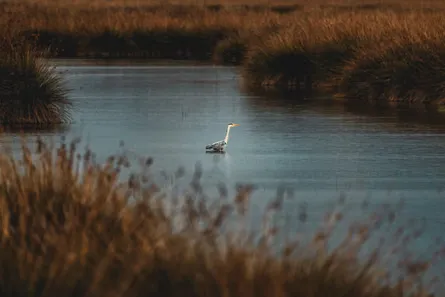 Photograph: Murat Bakmaz/Anadolu/Getty Images
Together, all three types of sites cover over 13 million square kilometers. This area is larger than China and India combined. More than 60% of the world's species live within these sites, and about 40% of those are found nowhere else. These areas are also home to about 900 million people who speak over 1,000 languages.
About one-quarter of these sites overlap with Indigenous territories. Many are managed by Indigenous and local communities.
The report also found that Unesco sites store an estimated 240 gigatons of carbon. This is equal to almost two decades of fossil fuel emissions.
Khaled El-Enany, director general of Unesco, noted that communities thrive, heritage lasts, and biodiversity holds on in these territories while it collapses elsewhere. He stated the report shows what could be lost if these sites are not made a priority.
Deep Dive & References
People and Nature in Unesco Sites - Unesco, 2026