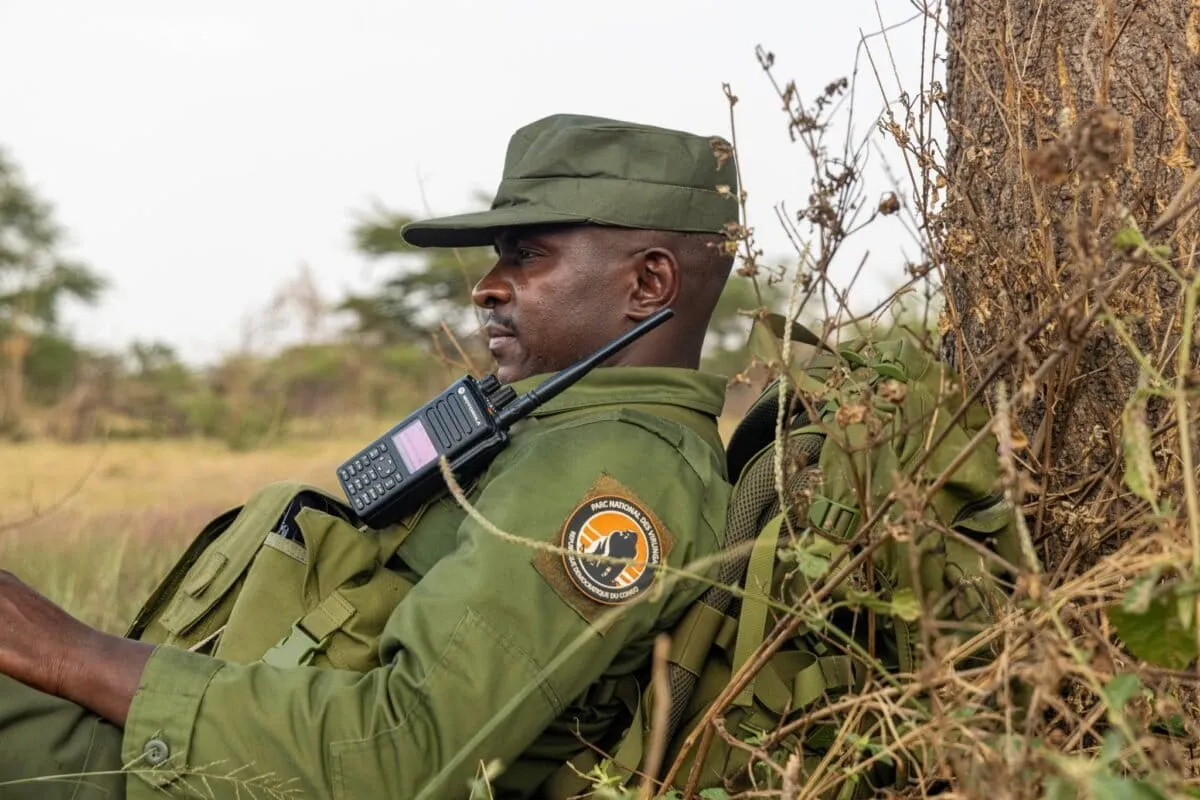
You'd think running a national park would mostly involve protecting wildlife, maybe shooing away a rogue tourist. But for Emmanuel de Merode, director of Virunga National Park in the Democratic Republic of Congo, it's a 20-year masterclass in conflict resolution, community development, and, oh right, saving gorillas.
His core philosophy, honed over decades in one of the world's most challenging regions, is deceptively simple: "If conservation creates hardships, it won't work." Which, if you think about it, is a pretty profound statement when you're trying to save a species in a war zone.

The Human Cost of Saving Nature
Virunga isn't just Africa's oldest national park, established way back in 1925. It's also a biodiversity hotspot, home to mountain gorillas, forest elephants, and three different great ape species. It stretches from the Rwenzori Mountains to volcanic plains, a stunning tapestry of life.
We're a new kind of news feed.
Regular news is designed to drain you. We're a non-profit built to restore you. Every story we publish is scored for impact, progress, and hope.
Start Your News DetoxBut it's also been ground zero for decades of armed conflict. Illegal resource exploitation is rampant. This isn't just about poachers; it's about communities struggling to survive, often caught between armed groups and the park's boundaries.
In a stark illustration of the dangers, Virunga National Park has lost more rangers than any other protected area in Africa. Think about that: more than any other park on a continent with countless conservation challenges. It's a sobering reminder that protecting nature often comes with an unimaginable human cost.
De Merode's approach flips the script. Instead of viewing local communities as a problem to be managed, he sees them as the solution. If conservation can genuinely improve their lives — through jobs, resources, or stability — then the park gains allies, not adversaries. Because apparently, when you're trying to save the planet, sometimes you have to save the people first.