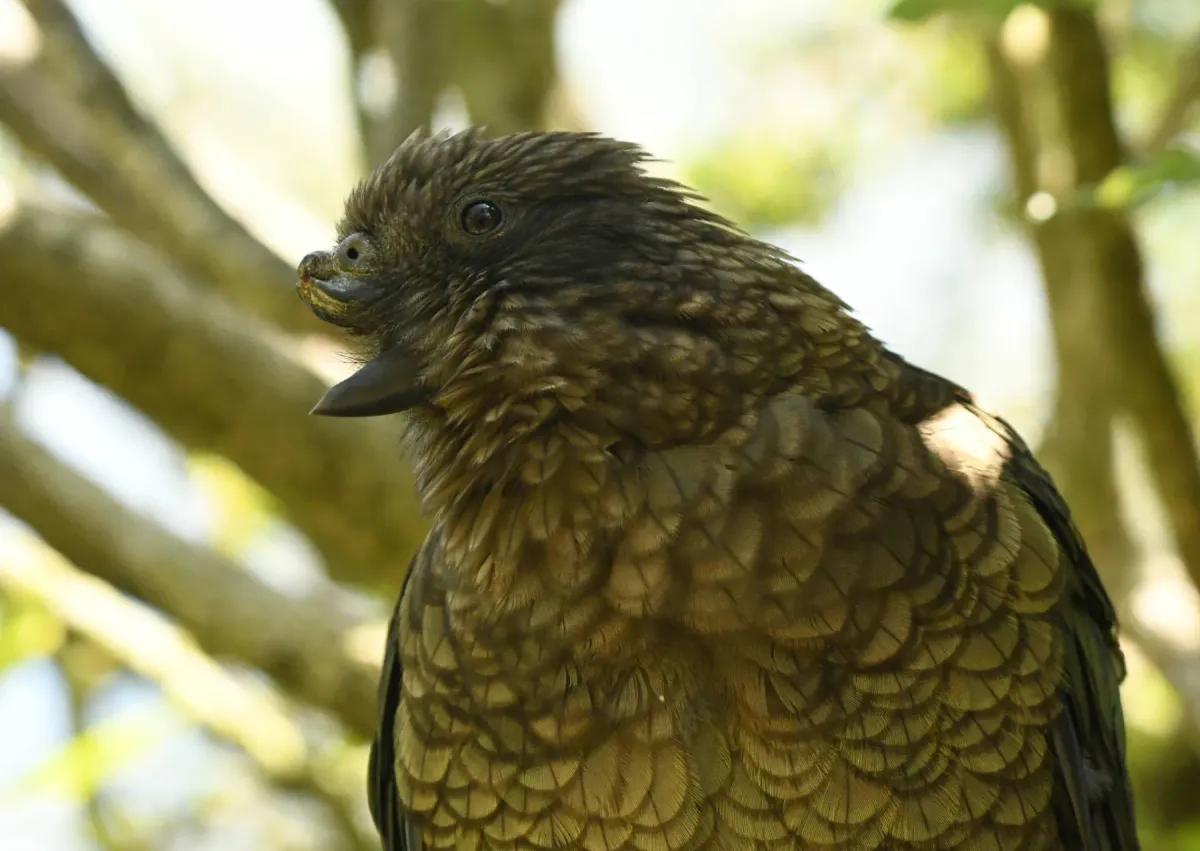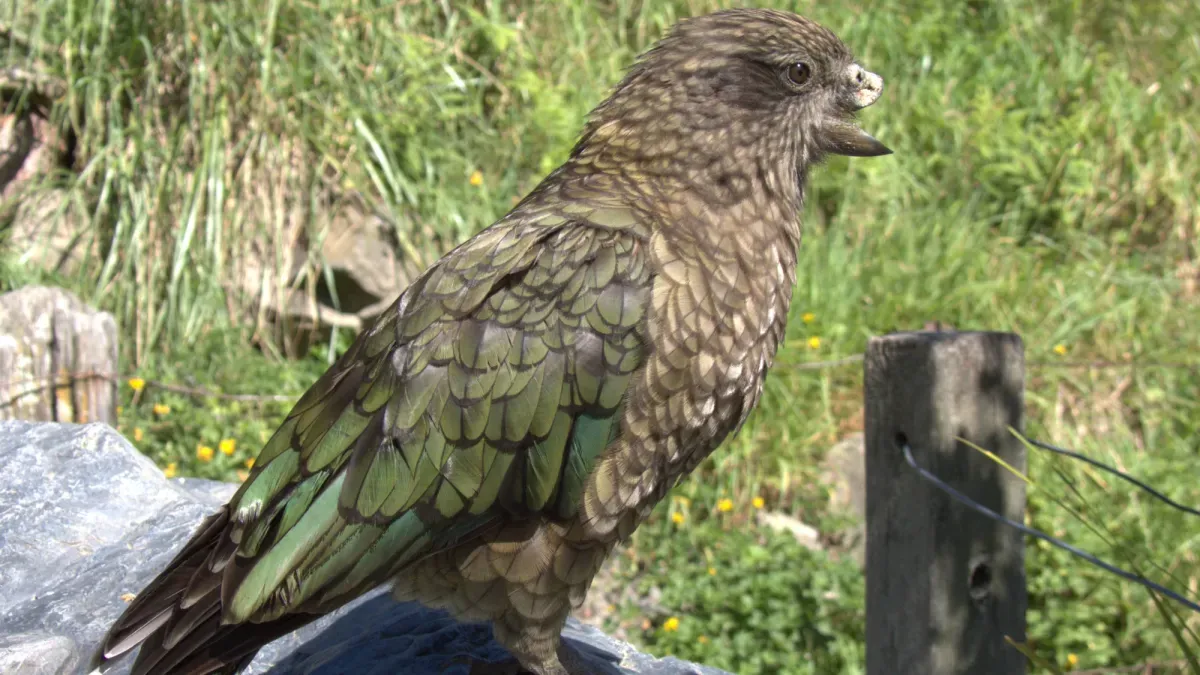
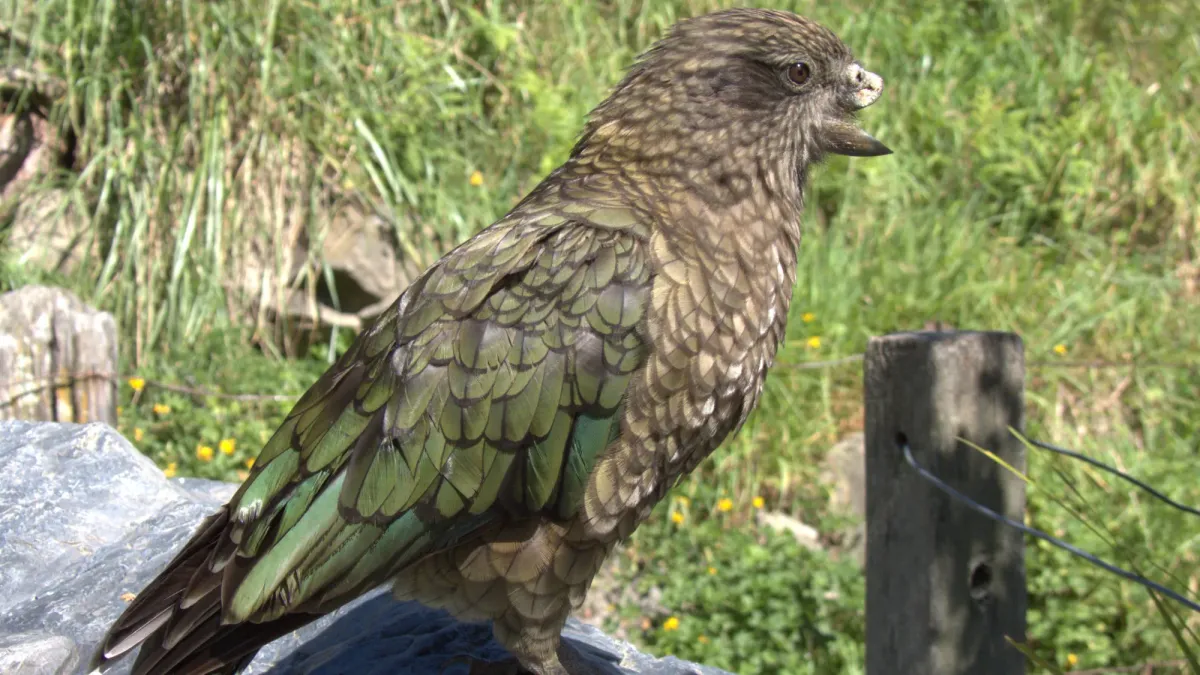
Meet Bruce, a kea parrot from New Zealand who's missing his entire upper beak. Which, if you're a parrot, sounds like a pretty significant career setback. But Bruce? He just decided to rewrite the rules of parrot-on-parrot combat.
At the Willowbank Wildlife Reserve, Bruce isn't just surviving; he's thriving. He's the undisputed alpha male of the kea flock, having achieved this lofty status through a fighting technique so unique, scientists had to give it a name: "beak jousting."
The Art of the Lower Beak Thrust
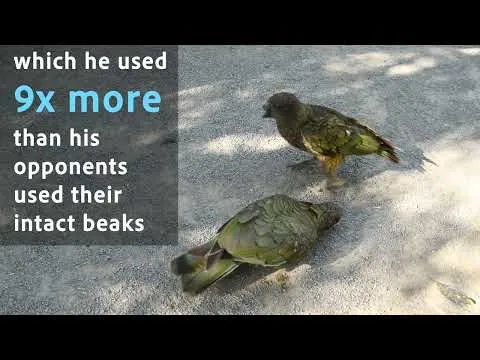
Biologist Alexander Grabham, who co-authored a study on Bruce in Current Biology, observed that Bruce simply started using his exposed lower beak as a weapon. While other kea parrots are busy trying to nip and grab with their full, two-part beaks, Bruce is delivering precision thrusts that opponents can't replicate. It's like everyone else is fencing with broadswords, and Bruce just invented the rapier.
We're a new kind of news feed.
Regular news is designed to drain you. We're a non-profit built to restore you. Every story we publish is scored for impact, progress, and hope.
Start Your News DetoxConservationists found Bruce back in 2013, already without his upper beak. They suspect a run-in with an animal trap. But instead of letting this define him, Bruce leaned into his unique anatomy. Not only did he invent a fighting style, but he also taught himself to use small pebbles to preen his feathers – a first for kea parrots, who are already known for being incredibly intelligent, endangered birds native only to New Zealand's South Island.
Grabham's team watched Bruce in action, recording 227 interactions among his flock. Bruce's jousting moves displaced opponents about 73% of the time. They'd just... leave. Because what do you do when your opponent has literally innovated past your biology?
Alpha Status, Zero Stress
Bruce’s dominance isn't just for show. He won all 36 observed interactions with other males, securing his top spot. This translated to first dibs on food and, perhaps more surprisingly, he was the only male kea groomed by other males, including getting his remaining beak cleaned. Apparently, even in the avian world, being a boss comes with perks.
His health benefited, too. Bruce had the lowest levels of corticosterone, a stress hormone, among the birds. Turns out, not having to constantly fight for your dinner or social standing is pretty good for your blood pressure.
Bruce's story, say the researchers, isn't just about one plucky parrot. It highlights the remarkable adaptability of kea parrots and offers insight into how animals with disabilities can innovate to overcome their challenges. It also raises an interesting question for humans: when we try to help disabled animals, are we always doing what's best, or could some, like Bruce, find their own ingenious paths to success without our intervention? Bruce certainly seems to be making a strong case for the latter.