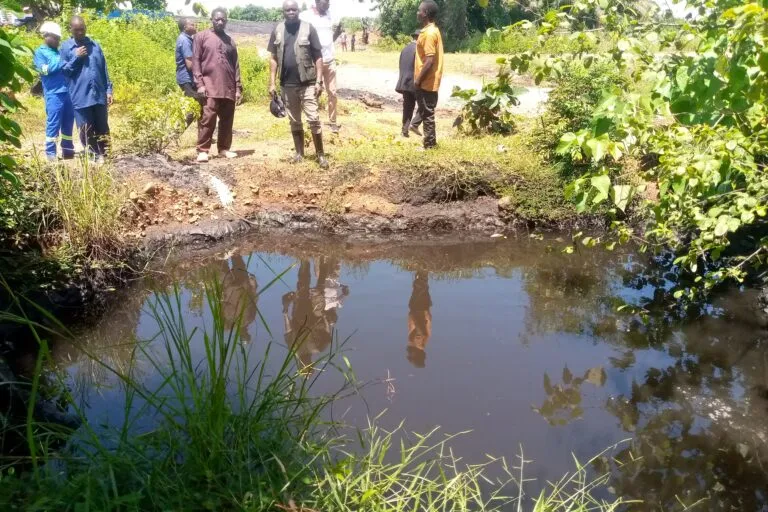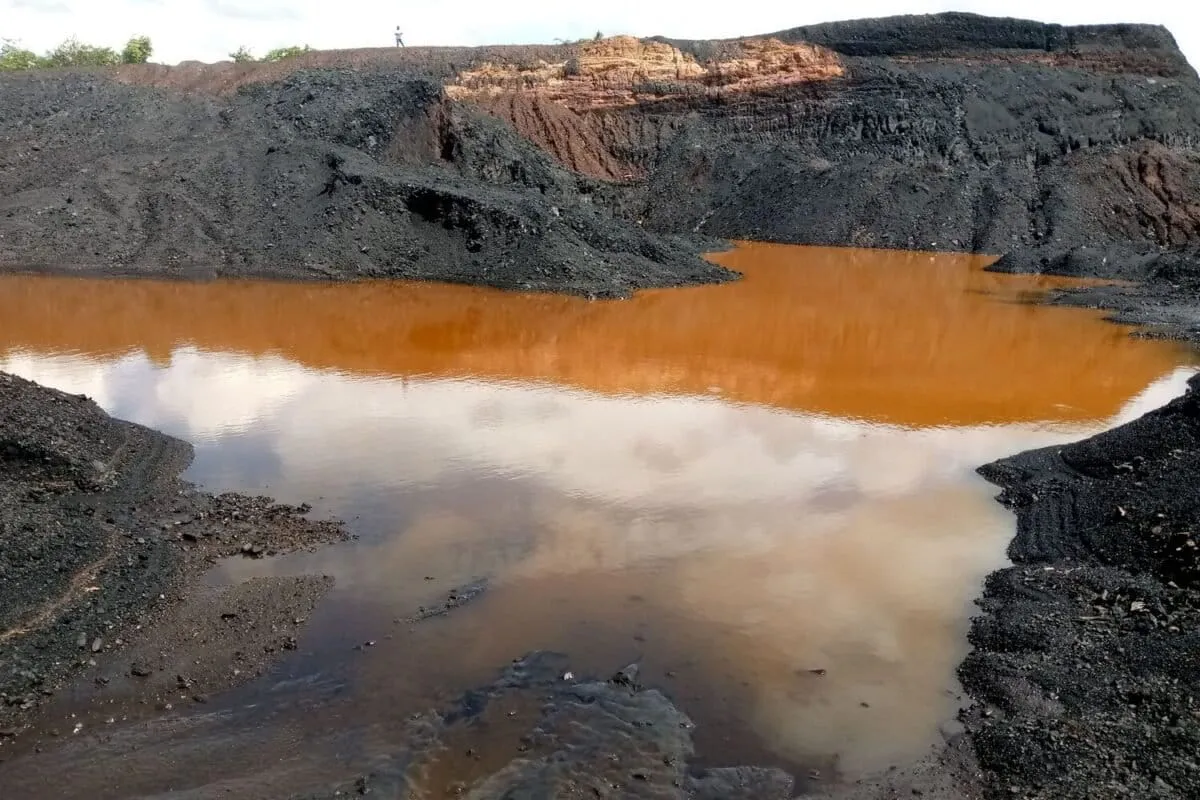
Well, this is one way to get a government's attention: complain loudly enough that they actually suspend a mining license. That's exactly what happened in Malawi, where Coal & Minerals Group Limited found its operations halted after residents pointed out their rivers had become a convenient, yet deeply unhealthy, dumping ground for coal waste.
Turns out, when you're polluting the very water that local communities rely on for, you know, life, people tend to get a little miffed. The suspension came hot on the heels of protests in northern Malawi, where communities had apparently had enough of their vital waterways turning black. Government agencies investigated, confirmed the pollution, and then, presumably, had a stern word.
The official word from Malawi’s Mining and Minerals Regulatory Authority (MMRA) on April 8, 2026, was that the water contamination “seriously threatened” public health and safety. Which, if you've seen a river full of coal sludge, feels like a bit of an understatement.
We're a new kind of news feed.
Regular news is designed to drain you. We're a non-profit built to restore you. Every story we publish is scored for impact, progress, and hope.
Start Your News DetoxInvestigations uncovered coal waste directly in the rivers, uncontrolled runoff from mining pits (because who needs proper drainage?), and waste storage that seemed to have been designed by someone who'd never actually seen a river. Oh, and the company also apparently forgot to file some rather important operational plans. Details, details.
Malawi's northern region is a hub for coal mining, fueling industries like tobacco curing and cement production. But it also has a bit of a rap sheet when it comes to environmental damage and labor law violations. Both local groups and Human Rights Watch have been flagging these issues for a while. So, while a license suspension isn't exactly a permanent solution, it's a pretty clear signal that some lines, even in mining, probably shouldn't be crossed.