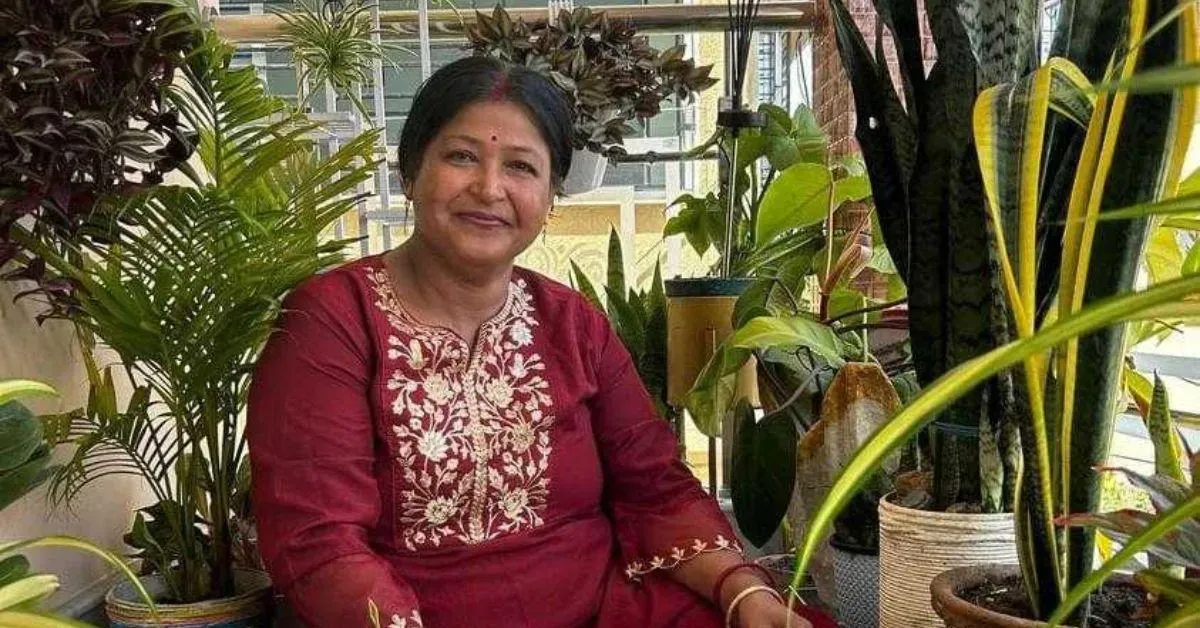
You know that moment. The delivery arrives, you unbox your latest impulse buy, and then you're left staring at the cardboard box, wondering if it's really worth the trip to the recycling bin. In India, a good 30% to 60% of all paper and cardboard does get a second life each year, which is a satisfying number. But one woman in Kolkata decided her old delivery boxes deserved an even more immediate, heroic calling: saving her plants from an untimely crisping.
Meet Krishna Khuku, who looked at a stack of cardboard and didn't see waste, but a legion of tiny, corrugated guardians for her garden.

The Unsung Hero: Cardboard in the Garden
Krishna's methods are disarmingly simple, yet brilliant. First up, heat protection. Those brutal heat waves? Cardboard to the rescue. Placed around plants, it acts like a tiny, personal shade umbrella, keeping the soil moist and reducing evaporation. This means less frantic watering and a more consistent soil temperature, which your plants will appreciate more than you know. Plus, as a bonus, it can even deter some pests and keep those pesky weeds in check.
We're a new kind of news feed.
Regular news is designed to drain you. We're a non-profit built to restore you. Every story we publish is scored for impact, progress, and hope.
Start Your News DetoxThen there's the mulch angle. Forget fancy wood chips; cardboard breaks down, slowly releasing nutrients back into the soil, essentially feeding your plants while it protects them. Just make sure it's the 100% recyclable, compostable kind, because nobody wants microplastics in their petunias.
Finally, for the truly dedicated, cardboard makes an excellent filler for large grow bags destined for composting. Introduce some worms to the mix, and they'll happily munch their way through the biodegradable cardboard, turning it into a nutrient-rich feast for your plants. Because apparently, that's where we are now: worms with a taste for Amazon packaging.
Krishna even suggests using smaller boxes to start seedlings or, for the sturdier ones, transforming them into actual planters. So, next time that package lands on your doorstep, don't just toss the box. Your basil might be silently begging you for it.