Well, it took a mere 58 days of relentless protesting, demonstrations outside offices, and probably a few very awkward conversations at Morgan Stanley conferences. But the Coalition to Abolish the Fur Trade (CAFT) just pulled off a win: Etsy is officially banning all natural fur products starting August 2026.
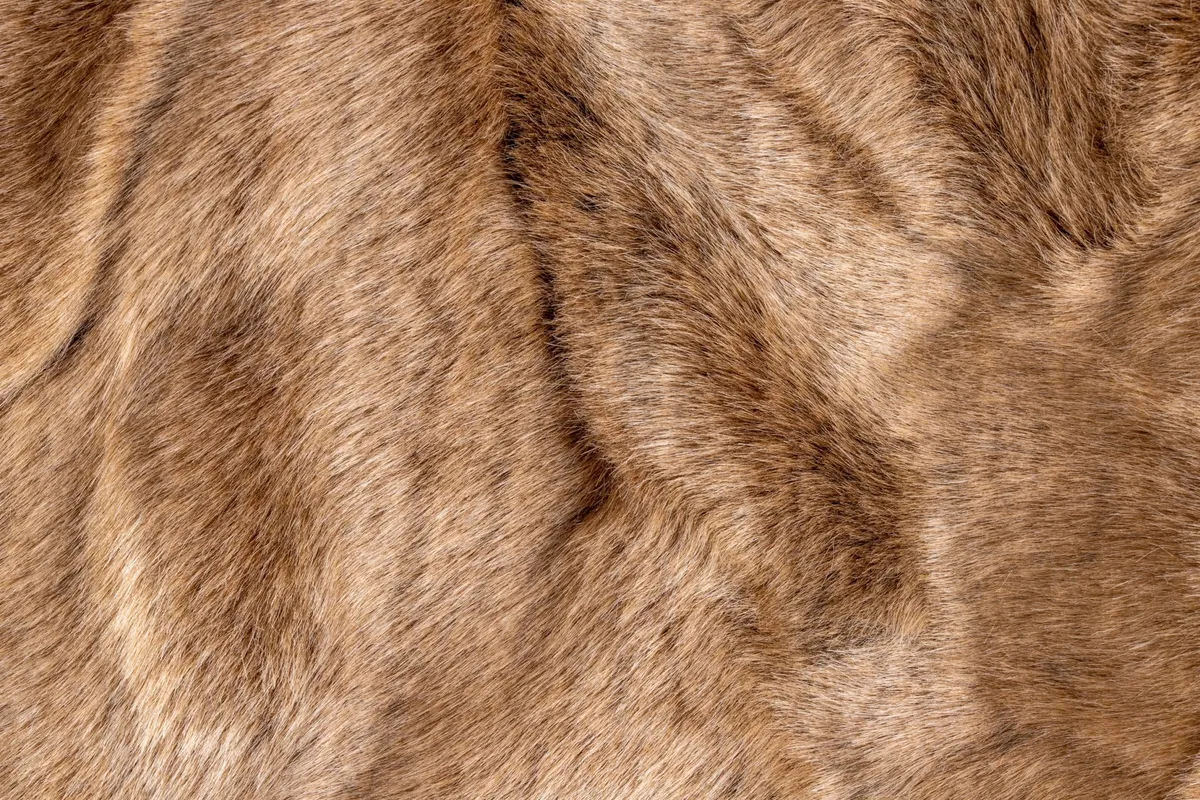
Let that sink in: no more mink, fox, or rabbit pelts, whether raw or sewn onto your next pair of quirky fingerless gloves. This covers anything from an animal killed for its fur, regardless of age or origin. Because apparently, that's where we are now — needing a specific ban on baby animal fur.
Suzie Stork, CAFT's executive director, pointed out the obvious: fur is on its way out. Designers are ditching it, magazines aren't promoting it. "The industry has nowhere left to hide," she declared, which, if you think about it, is both impressive and slightly terrifying for anyone still clinging to their chinchilla coat.
We're a new kind of news feed.
Regular news is designed to drain you. We're a non-profit built to restore you. Every story we publish is scored for impact, progress, and hope.
Start Your News DetoxThe Great Fur Purge Continues
Etsy's move isn't happening in a vacuum. It's just the latest domino to fall in what's becoming a full-blown fur purge. Shein Marketplace banned fur and exotic skins in May 2025. Australian Fashion Week decided animals weren't welcome on the runway, at least not in material form. Asics committed to not using kangaroo skin (goodbye, bouncy sneakers?). And Condé Nast, the publishing giant, promised to scrub fur from its glossy pages.
Then came December 2025, which seems to have been a particularly bad month for fur-lovers: Poland banned fur farming, New York Fashion Week said no thanks, Hearst Magazines joined the fur-free club, and designer Rick Owens decided his future collections would be decidedly less… furry. Sweden was already ahead of the curve, banning cruel fur products in June 2025, and the European Food Safety Authority gently suggested cage-free fur farming (which, let's be honest, is probably still not ideal).

This isn't just a sudden change of heart; it's a decades-long trend. Since the 1980s, we've gotten a lot smarter about the environmental and public health nightmares of fur farming, not to mention the undeniable animal suffering.
Europe's Fuzzy Feelings, Canada's Cashmere Dreams
Europe, however, is still a bit split on the issue. The European Commission is trying to figure out if they should ban fur farming outright (1.5 million citizens signed a petition saying yes, please) or just tighten up welfare rules. Only five EU countries still allow fur farming, and even the European Food Safety Authority admits that "regulation alone cannot solve the welfare problems."
Meanwhile, across the pond, Canada's fur industry is apparently having a completely different conversation. The Fur Institute of Canada recently reported soaring demand and record auction prices. Bobcat pelts, for instance, jumped over 300% in price at a recent sale. Buyers from Europe and Asia are apparently lining up for "quality, long-lasting fur and seal products," according to Doug Chiasson, the Institute's executive director. It seems Canada's centuries-old trapping industry, built by Indigenous and non-Indigenous trappers, is feeling rather resilient.

So, while Etsy is making moves, and anti-fur protests are still popping up in places like Milan, high fashion behemoths like LVMH (Louis Vuitton, Givenchy, Dior) are still very much in the fur game. But if the Etsy outcome proves anything, it's that focused, persistent pressure on specific targets can actually, you know, work. Who knew?