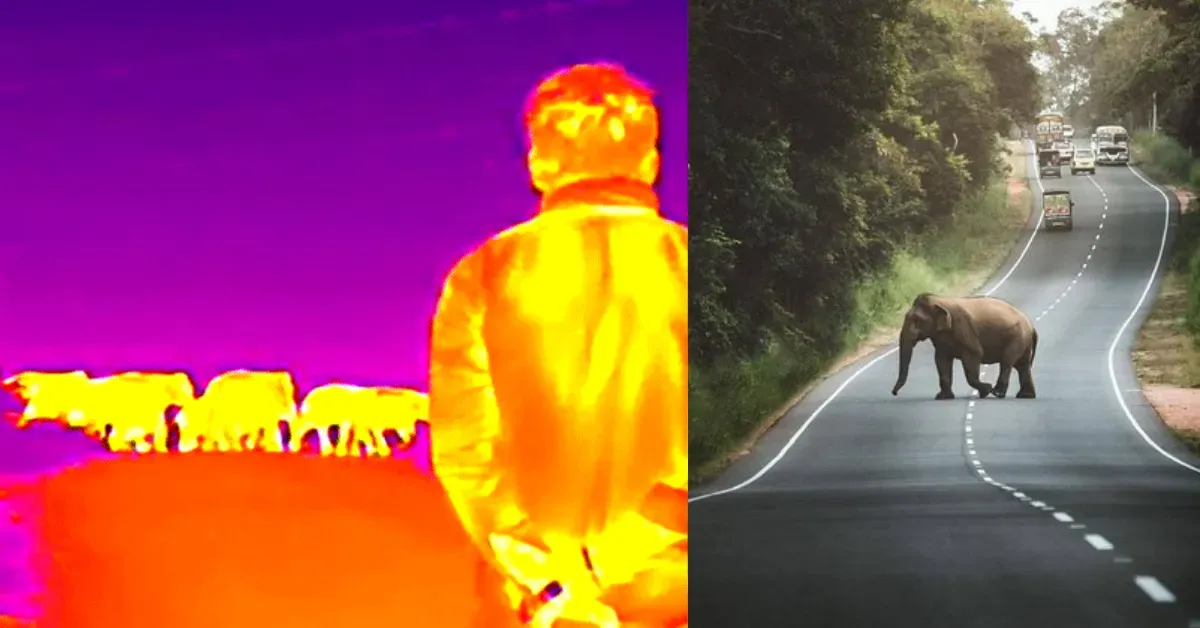
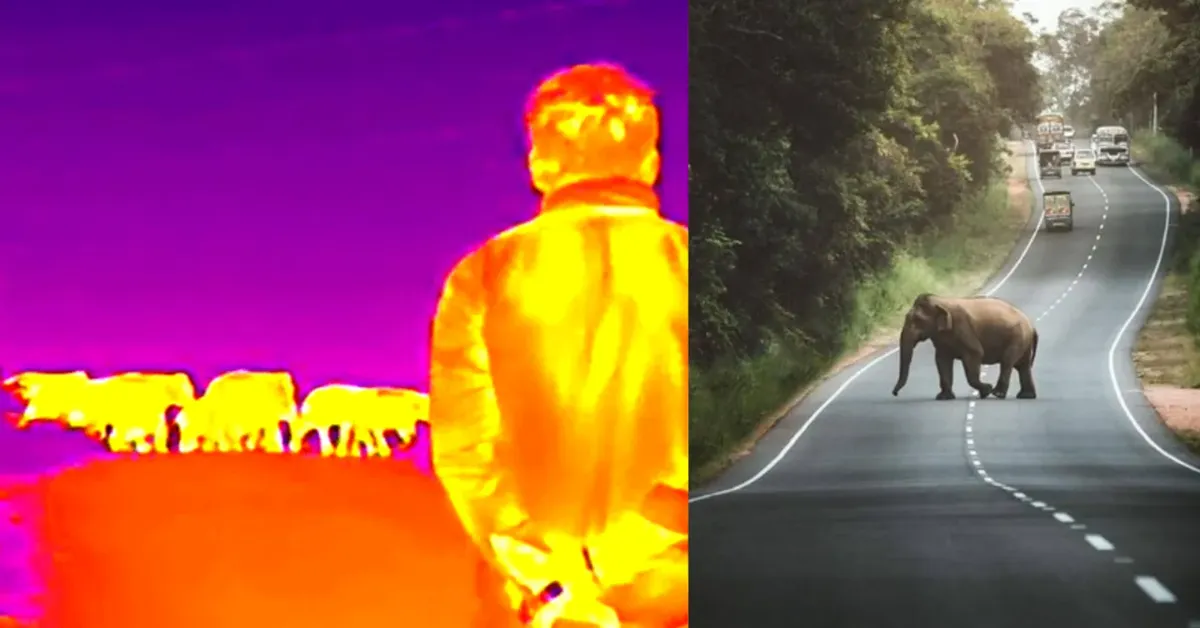
Imagine a pitch-black night in the Indian forest. Suddenly, a herd of elephants — mothers, calves, the whole family — glows on a screen, moving like ghosts through the trees. That's not a sci-fi movie; it's a thermal-imaging drone at work in Tamil Nadu, giving forest officials eyes where they had none.
This technology is flipping the script on human-elephant conflict, a challenge that has long plagued India. Instead of reacting to an elephant wandering into a village, authorities can now see it coming, quite literally, from a mile away.
The Heat-Seeking Elephant Whisperers
Thermal cameras don't need light. They detect heat, which every living thing emits as infrared radiation. So, an elephant herd, even hidden by dense foliage, fog, or the deepest night, becomes a moving mass of warmth on a screen. For forest officials, this is basically a real-time, glowing map of where the elephants are headed.
We're a new kind of news feed.
Regular news is designed to drain you. We're a non-profit built to restore you. Every story we publish is scored for impact, progress, and hope.
Start Your News DetoxIn Tamil Nadu's Hosur Forest Division, these drones are now standard equipment. They monitor elephants migrating between Bannerghatta National Park and the Cauvery Wildlife Sanctuary. These journeys often lead herds into farms and villages, creating dangerous encounters for both humans and elephants.
But with early detection, officials can now intercept nearly half of these herds before they reach human settlements, guiding them safely back into the forest. It's like having a bouncer for the forest edge, gently redirecting guests who might cause a ruckus.
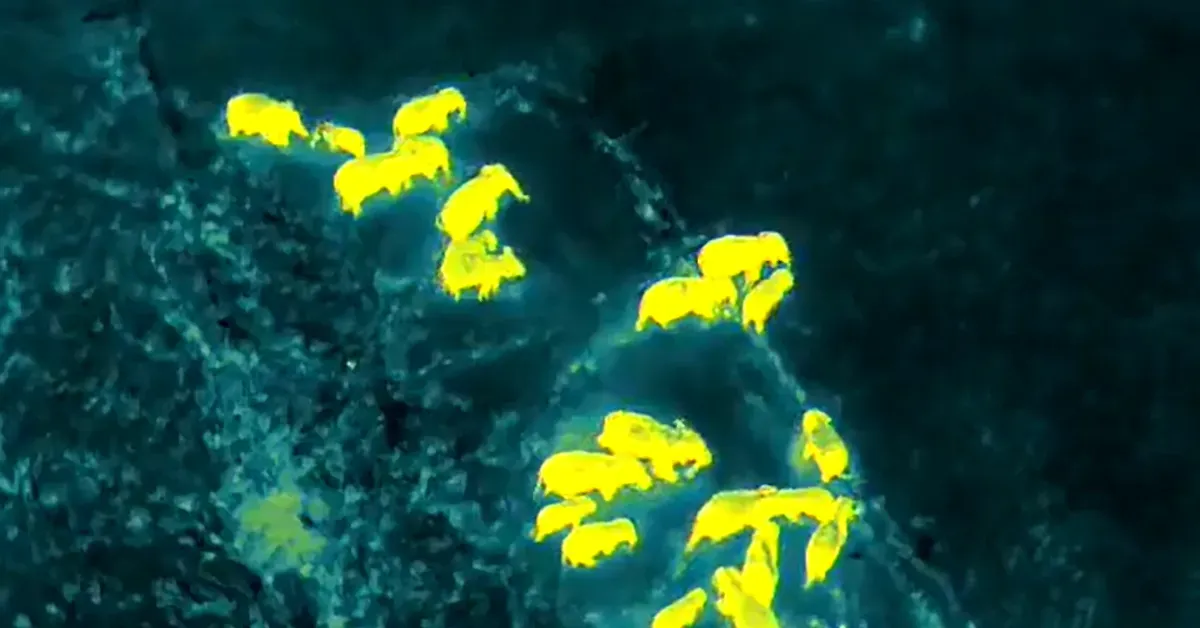
And it gets smarter. The Tamil Nadu Forest Department also launched an AI-powered Command and Control Centre in Gudalur, armed with 46 AI-enabled thermal cameras. This system doesn't just see; it detects wildlife movement, issues real-time alerts to locals, and coordinates 24/7 response teams. Because apparently, that's where we are now: AI-powered elephant traffic control.
A Growing Network of Night Vision
This isn't just a local success story; it's a nationwide movement. In West Bengal, thermal drones are keeping elephants away from crops and preventing injuries. Chhattisgarh's Udanti Sitanadi Tiger Reserve uses similar tech to track herds and identify lone male elephants, which are often the ones causing trouble.
Karnataka has taken it even further. As of early 2026, AI-enabled thermal cameras are perched on watchtowers in Bandipur Tiger Reserve. These cameras can spot wildlife from long distances, even in the worst weather. The live feeds are accessible remotely, meaning faster, better-coordinated responses to whatever the jungle throws their way.
Beyond just elephant tracking, these systems are also proving invaluable for detecting poaching and even the early flickers of forest fires. So, what started as a way to keep elephants and humans from bumping into each other in the dark is now becoming an all-purpose guardian of the wild. Which, if you think about it, is both impressive and slightly terrifying for anyone with ill intentions in the forest.