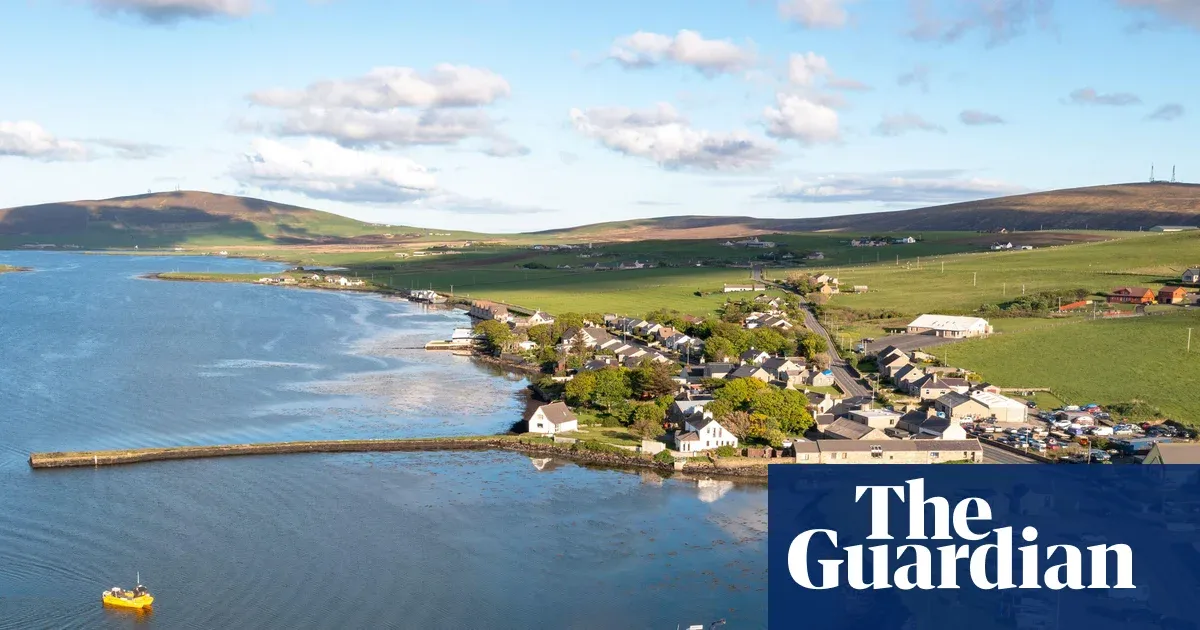
More than 15 million young oysters will be released into the North Sea. This is part of a major rewilding project in UK waters.
The project uses a special way to raise oysters. It aims to bring back a large oyster bed near Orkney. Experts say this will create many benefits for the climate and environment.
Bringing Back Oysters
Richard Land, a marine expert leading the project, explained its wide impact. He said it will help fish, sea mammals, seabirds, and the entire environment.
We're a new kind of news feed.
Regular news is designed to drain you. We're a non-profit built to restore you. Every story we publish is scored for impact, progress, and hope.
Start Your News DetoxThe Green Britain Foundation, Nature Restoration Fund, Marine Fund Scotland, and North Bay Innovations are running the scheme. They hope it will show how to revive oyster beds in other UK coastal areas. Land called it a "blueprint" for reintroducing oysters across the UK and Europe.
Oyster beds were once a vital part of the UK's marine ecosystems. Some in the North Sea were as large as Wales. However, during the Industrial Revolution, oysters became a popular food. Londoners alone ate an estimated 700 million oysters between 1840 and 1850.
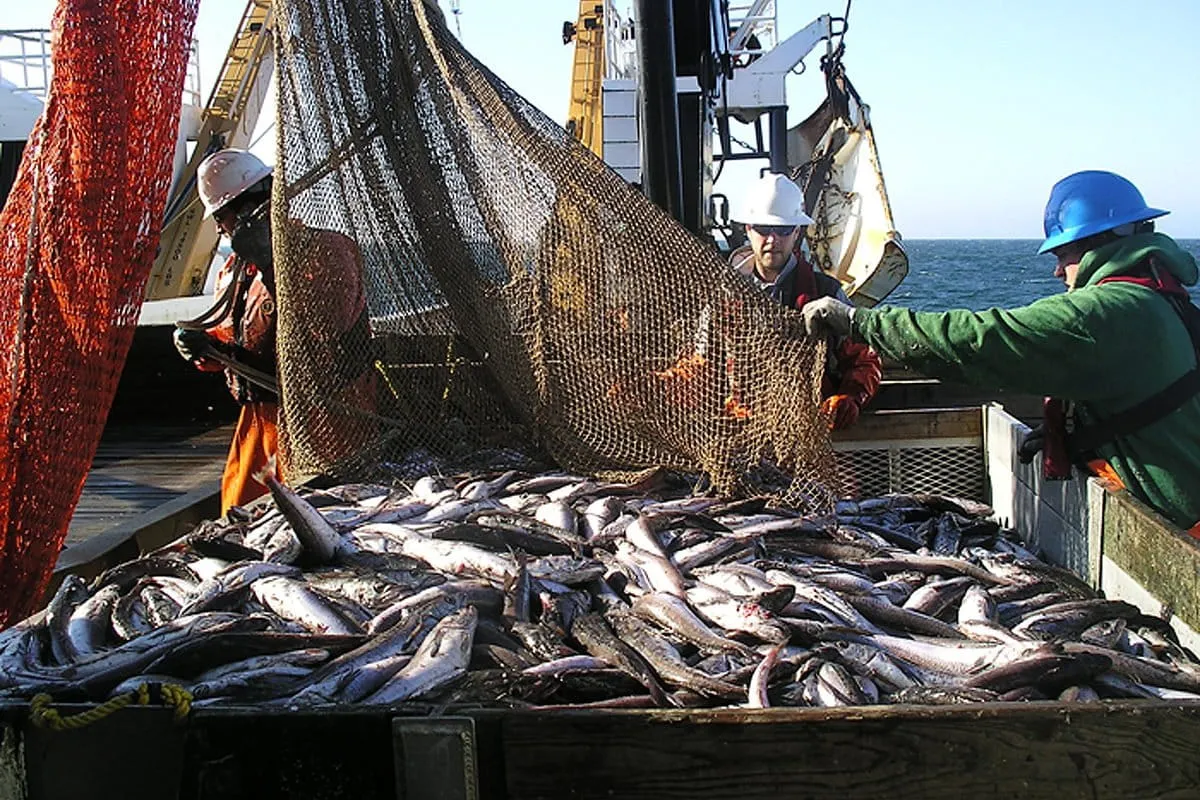
Overfishing, pollution, climate change, and clearing shipping channels severely harmed oyster populations. This led to a "negative cascade" that damaged marine ecosystems.
Oysters and Climate Solutions
Restoring oyster beds, like the one near Orkney, can help rebuild healthy coastal waters. It also helps fight climate change and improves water quality.
Dale Vince, founder of the Green Britain Foundation, supports the project. He noted that research suggests oyster reefs can capture a lot of CO2. This project could restore about 15 million oysters in a bed covering over 100 hectares. This could capture up to 76 tonnes of CO2 each year.
The project's main goal is to encourage natural oyster spawning. Once established, these beds could capture over 1,000 times more carbon annually after about 15 years.
Vince explained that the project aims to use nature for carbon capture. He said restoring native oyster beds is a perfect way to restore nature and fight climate change together. Reintroducing oysters brings life back to marine ecosystems, creates habitats, and reduces carbon.
The Orkney project grows young oysters on "plates" enriched with calcium carbonate. Once the oysters are strong, these plates are placed in the sea on long lines. This helps them avoid predators until they are large enough to form beds. These beds become reefs for many other species, including scallops, molluscs, algae, seaweeds, and invertebrates.
Alistair Carmichael, MP for Orkney and Shetland, welcomed the plan. He said efforts to restore wildlife are welcome, especially with the chance for carbon capture. He noted Orkney's history with the sea and the importance of balancing its needs for future generations.
Philine Zu Ermgassen from the University of Edinburgh stressed that reintroduction schemes are vital. She said oysters are too few to recover without human help. She finds it exciting that hatchery techniques are improving to support restoration. This innovation is key to producing enough oysters from local genetic stocks to help restore this valuable ecosystem.
Deep Dive & References
Oyster reef restoration in the UK: A review of past efforts and future opportunities - Aquatic Conservation: Marine and Freshwater Ecosystems, 2023