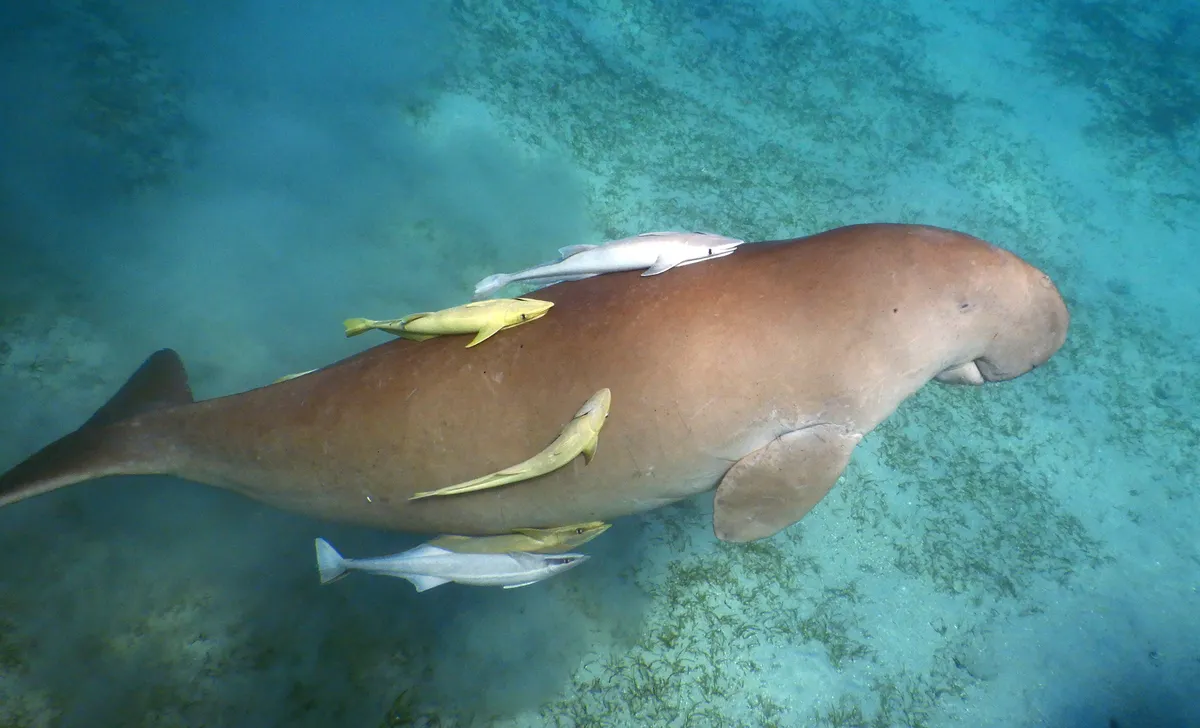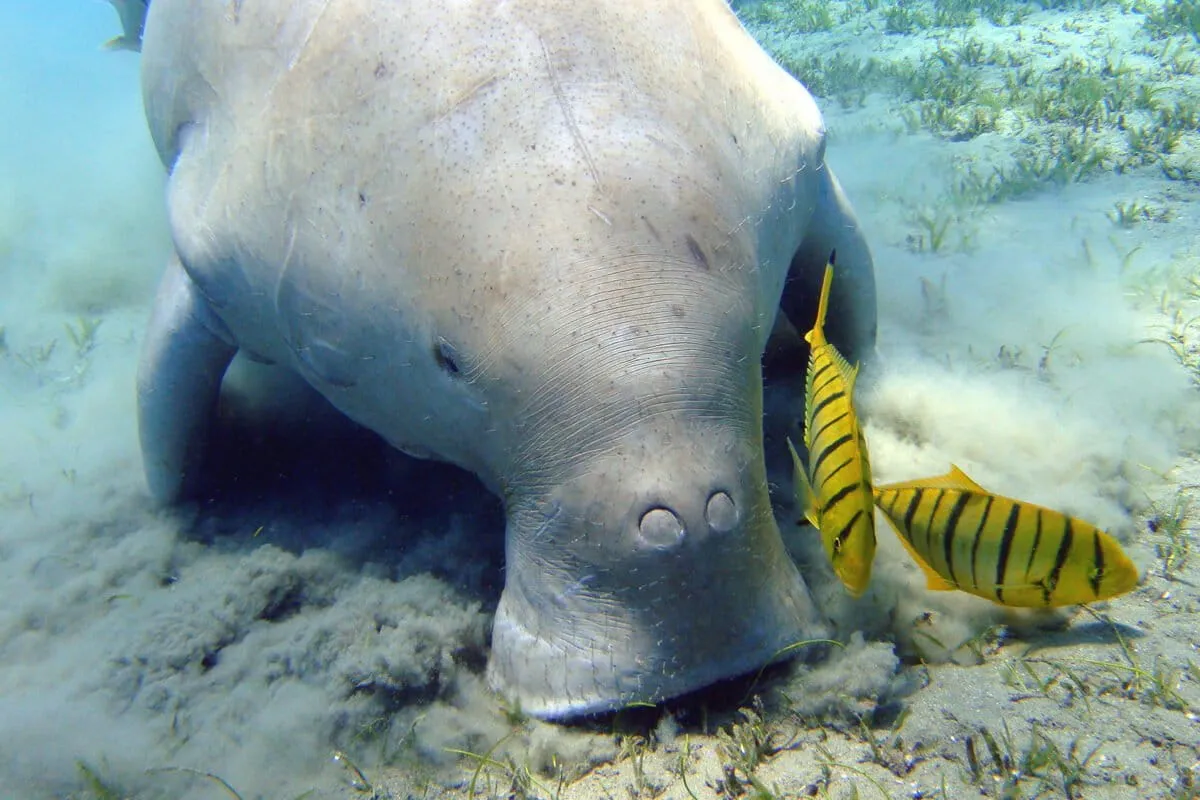
Dugongs, those charmingly lumpy marine mammals often dubbed "sea cows," are having a tough time. These gentle giants, who spend their days munching on seagrass and looking generally unbothered, are facing some serious threats. Good news: drones are now their unlikely, high-flying allies.
These herbivores are basically the lawnmowers of the ocean, keeping seagrass meadows trimmed and healthy. Why does that matter? Because those meadows are carbon-absorbing powerhouses, sucking up vast amounts of CO2 from our oceans. So, saving a dugong isn't just about saving a cute, whiskered face; it's about helping the planet breathe.

Growing up to 10 feet long and weighing in at a respectable 925 pounds, dugongs are found in the shallow coastal waters of the Indian and southeastern Pacific oceans. They're basically the chillest residents of the reef, just trying to live their best, seagrass-filled lives.
We're a new kind of news feed.
Regular news is designed to drain you. We're a non-profit built to restore you. Every story we publish is scored for impact, progress, and hope.
Start Your News DetoxWhere Have All the Dugongs Gone?
A recent report from the Convention on the Conservation of Migratory Species of Wild Animals (CMS) painted a rather uneven picture of dugong populations. Australia is currently the dugong capital of the world, boasting an estimated 166,000 individuals. Other strongholds include the Arabian Gulf, the Red Sea, and Indonesia. Mozambique holds Africa's last major group, a modest 300 or so, just trying to make it work.
But in many other places, things are looking grim. The International Union for Conservation of Nature (IUCN) has had dugongs on its "vulnerable to extinction" list for over four decades — which, if you think about it, is a pretty long time to be perpetually worried about something. In some spots, like Japan’s Nasei Islands and New Caledonia, they're already endangered. And in 2022, researchers delivered the final, heartbreaking verdict: dugongs were declared extinct in China. Which, if that doesn't make you want to hug a sea cow, what will?