Mallory Willem sorts through trash from a storm drain in Cedar Key, Florida. She finds cigarette butts, bottle caps, and Styrofoam. She also finds many fake nails.
Willem is a student at the University of Florida. She works with volunteers to clean out mesh bags fitted to storm drains. Cedar Key has ten such traps. They stop litter from entering local waterways. Each month, the team cleans them. They separate manmade trash from natural debris. They also log the types of waste. Cigarette butts and plastic pieces are most common.
Trapping Trash Before It Spreads
This project is called Operation TRAP. It's part of a growing effort to use "trash traps." These devices catch litter before it reaches streams, rivers, and oceans. Some traps are simple, like mesh bags in drains or booms across streams. Others are advanced, like swimming robots or large trash wheels. These wheels suck trash onto conveyor belts. Traps catch everything from tiny plastics to mattresses and bikes.
We're a new kind of news feed.
Regular news is designed to drain you. We're a non-profit built to restore you. Every story we publish is scored for impact, progress, and hope.
Start Your News Detox
Since 2017, trash traps have collected over six million pounds of litter worldwide. This data comes from the International Trash Trap Network. This group connects organizations using trash traps. It's a joint effort by the Ocean Conservancy and the University of Toronto. Hannah De Frond, the network's manager, says the real number is likely higher.
However, this is a small amount compared to the plastic flowing into oceans each year. A report from the Pew Charitable Trusts predicts plastic pollution will more than double by 2040. In 2025, 130 million tons of plastic waste entered the environment. Without changes, this could reach 280 million tons by 2040. This is like dumping a garbage truck of plastic every second. Much of it ends up in the sea.
Trash traps are not yet widely used. The detailed work of recording each piece of waste might seem endless. But this trash provides valuable data.
Data Drives Solutions
 Courtesy of the Waterfront Partnership of Baltimore
De Frond says trash traps are great for cleanup, but they offer more. They significantly reduce plastic pollution in waterways. They also help identify local pollution sources and upstream solutions.
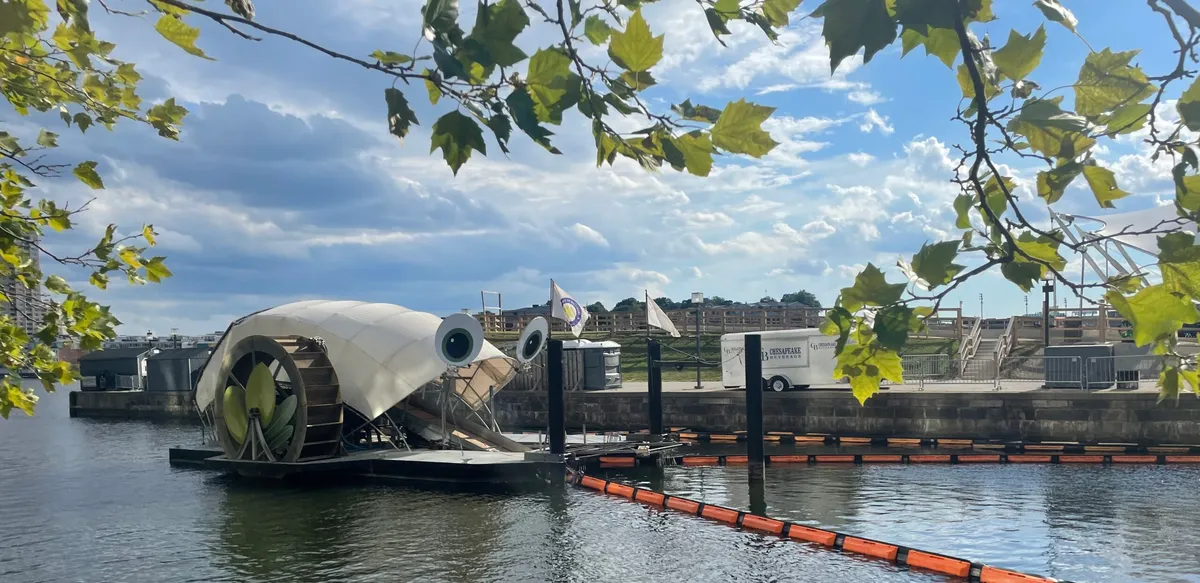
In Baltimore Harbor, Mr. Trash Wheel is a large, googly-eyed trap. It collects up to 500 tons of litter each year. Data from Mr. Trash Wheel helped pass a statewide ban on polystyrene foam products in Maryland in 2020. It also supported a citywide ban on plastic bags in 2021. Since 2019, foam litter caught by Mr. Trash Wheel has dropped by 90%. Plastic bag litter has decreased by 72%.
In California, trash trap data led to a plastic water bottle ban in South Lake Tahoe in 2024. Similar local rules have also been put in place.

De Frond says using trash trap data to create effective policies is their main goal. The International Trash Trap Network started in 2021. It now includes over 150 local programs in 12 countries. It helps create a global picture of plastic pollution. Its 2024 report found the top five items caught were cigarette butts, plastic bags, plastic bottles, food wrappers, and foam pieces.
Sometimes, state laws prevent local plastic pollution policies. In the U.S., some states have laws that stop local governments from reducing plastic pollution. For example, North Carolina lawmakers banned local governments from banning plastic containers in 2023. Since then, trash trap data shows 96% of waste in North Carolina streams is plastic.
Dr. Monica Wilson, project manager for Operation TRAP, says plastic is "through the roof" in Cedar Key's trash traps. Her team shows collected trash at local events. This helps people see what comes out of the drains. She says people are often surprised by how much goes down storm drains, especially cigarette butts.
Florida is one of the states that bans local governments from regulating single-use plastics. Still, Wilson says some counties and cities in Florida are interested in using trash traps. Operation TRAP aims to provide local governments with a plan for installing and maintaining these traps. This is important even if some places can't analyze the trash.
Wilson believes local governments should invest in trash traps like they invest in curbside trash pickup. However, buying and regularly cleaning traps costs money. Local authorities might not have the funds.
 Courtesy of the Waterfront Partnership of Baltimore
De Frond says funding is the biggest barrier. Trash traps are long-term investments. They have upfront costs for the technology, plus ongoing costs for maintenance, trash removal, and data collection.
Most groups in the International Trash Trap Network are community groups and nonprofits. They rely on grants and volunteers. Involving community members in cleaning and sorting trash has another benefit. Volunteers see the impact of plastic consumption firsthand.
One student volunteer with Operation TRAP wrote about seeing familiar products repeatedly. These included fast food wrappers, snack packaging, and bottle caps. She noted they were "reflections of everyday habits, including my own." She realized the brands in the storm drains were the same ones in her pantry.
Engaging the Public
Trash traps also provide strong visual evidence of society's plastic habits. Photos of Mr. Trash Wheel "munching" through trash in Baltimore Harbor have made him a social media star. He has over 45,000 Instagram followers.
Allison Blood manages Mr. Trash Wheel. She noted that public engagement has been great. However, she echoed De Frond, saying the goal is for Mr. Trash Wheel to inspire policies that prevent plastic waste. She said, "We want to retire him."