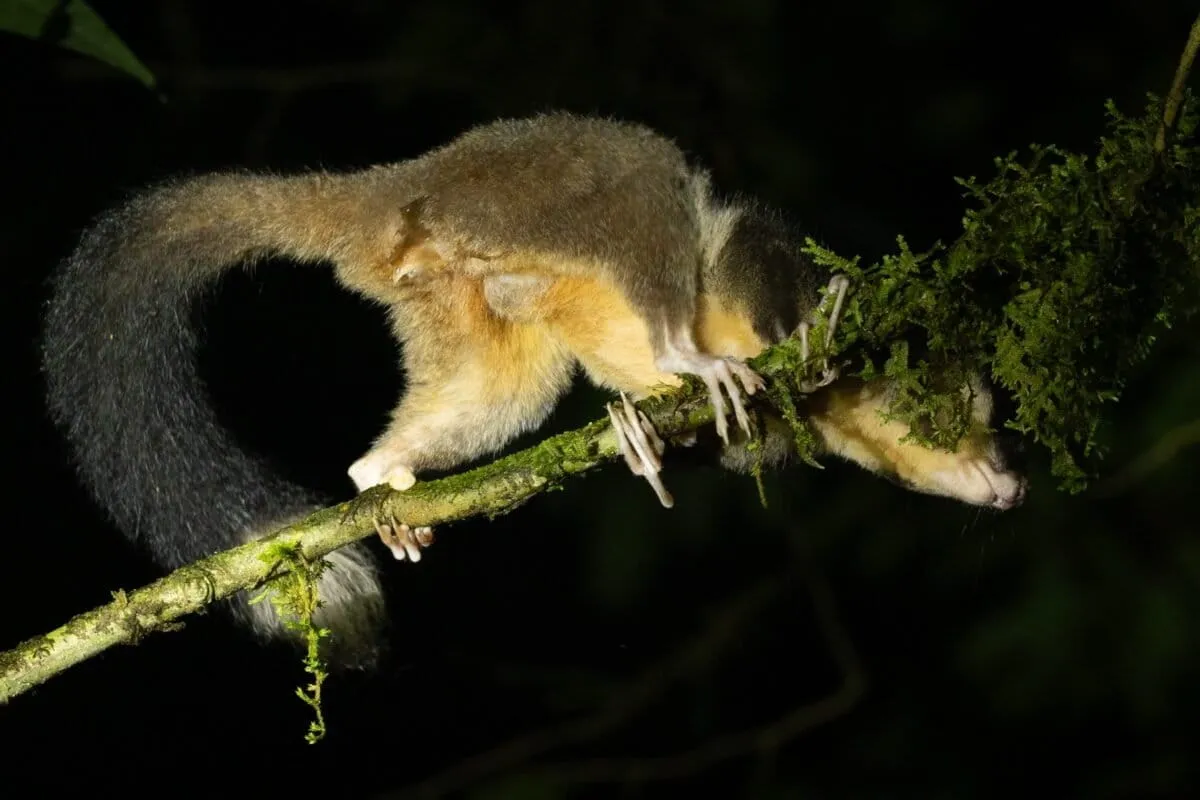
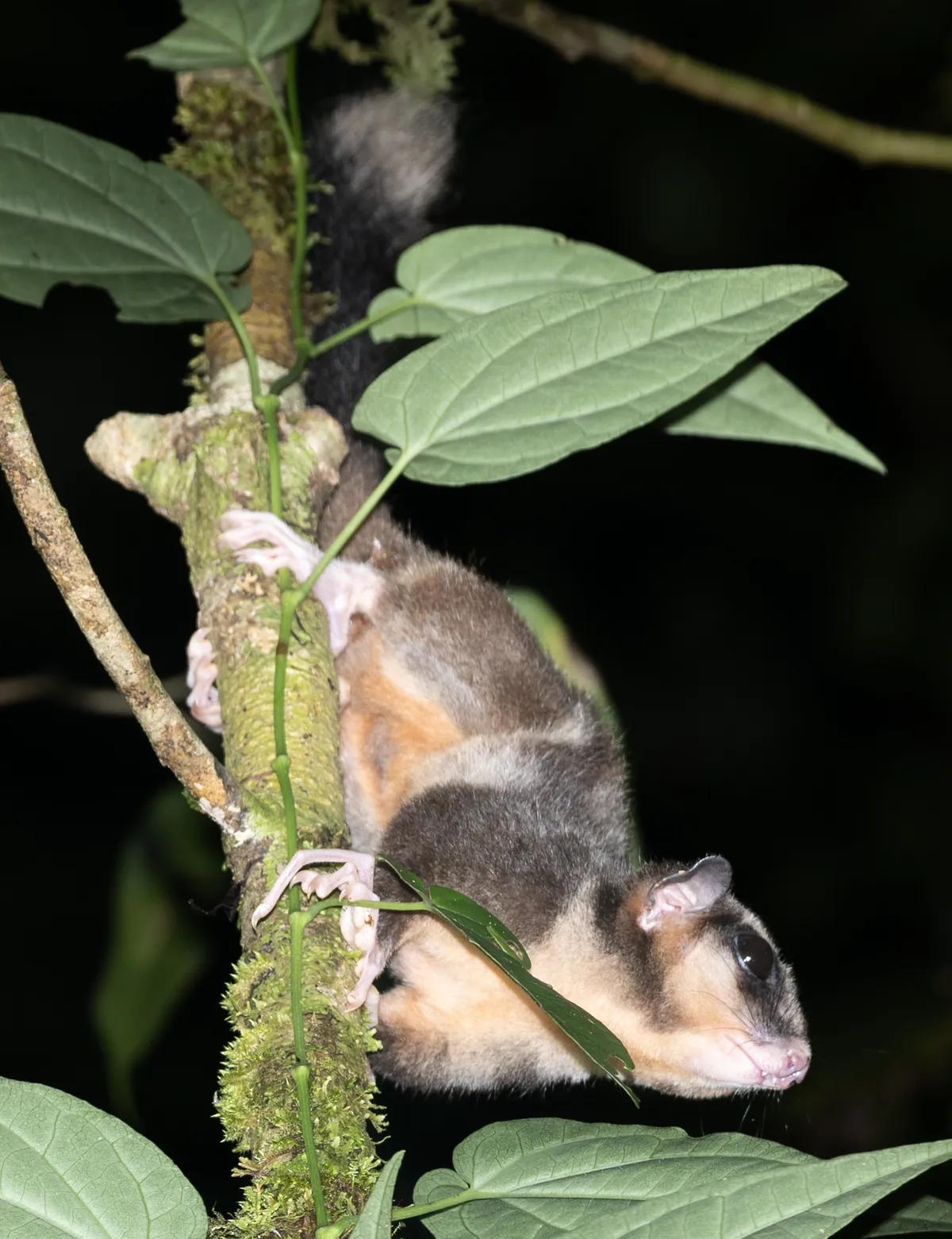
Back in 2015, a few blurry photos surfaced from the Bird's Head Peninsula in Indonesian Papua. They showed a small, furry creature with unusually large hands, sparking a quiet buzz among scientists. Was it a slow loris? A cuscus? Or, even more intriguingly, a species thought to be long gone?
The scientific community had a hunch it might be a forest-dwelling glider, an animal known only from ancient teeth and bone fragments. Basically, something that existed in the fossil record but not, supposedly, in the flesh. But here's the kicker: local Indigenous communities had been saying for ages that this glider was still very much around.
Sometimes, You Just Ask the People Who Live There
Fast forward a few years, and Australian mammalogist Tim Flannery decided to follow a different kind of lead. He reached out to Rika Korain, a human rights lawyer and an Indigenous Maybrat woman. Korain, thinking of the Tambrauw elders who live near her Maybrat people and share traditions, had an idea.
We're a new kind of news feed.
Regular news is designed to drain you. We're a non-profit built to restore you. Every story we publish is scored for impact, progress, and hope.
Start Your News Detox"I'm from the Bird's Head area," Korain reportedly told Flannery, suggesting they skip the dusty archives and talk to her clan, specifically the hunters. Because, you know, they're the ones actually in the jungle. They'd know if anyone had seen a creature matching the description. In 2023, Korain and Flannery sat down with two Tambrauw elders, setting the stage for what might just be the most obvious — and effective — rediscovery mission ever mounted. Turns out, sometimes the best scientific data isn't in a lab, but in generations of lived experience.