Picture this: you're scrolling Facebook, maybe looking for a new couch or a vintage lamp. Then, you stumble upon an ad for two tiny, two-month-old Asiatic black bear cubs. Because apparently, that's where we are now.
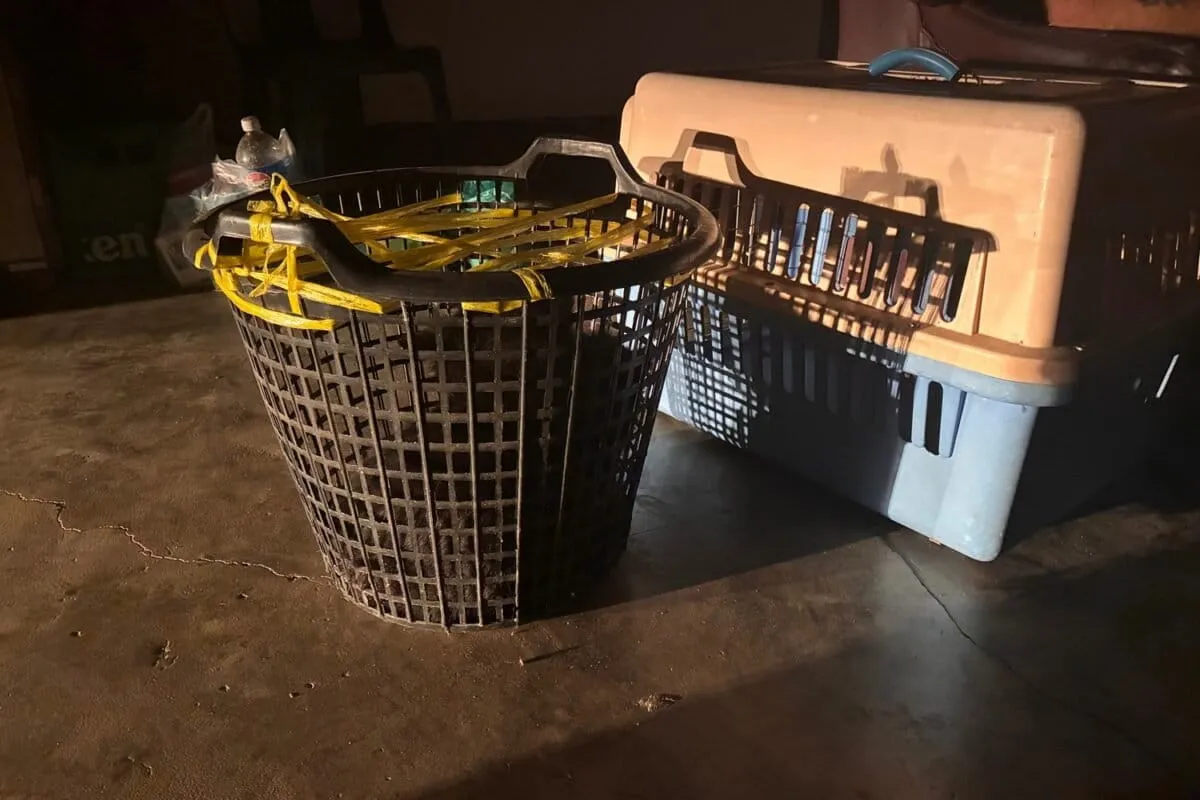
That's exactly what happened in Laos, where a conservation group called Free the Bears, working with local authorities, spotted a rather unusual listing. The ad featured two bear sisters, weighing in at a paltry 6.6 pounds each, unceremoniously crammed into a plastic washing basket. Taken illegally from the wild, their mother was, tragically, likely killed.

Thankfully, this isn't a story about a successful sale. Within 24 hours of the post going live, these little furballs were rescued. They're now getting some much-needed TLC at the Luang Prabang Wildlife Sanctuary, hopefully forgetting their brief stint as internet classifieds.
We're a new kind of news feed.
Regular news is designed to drain you. We're a non-profit built to restore you. Every story we publish is scored for impact, progress, and hope.
Start Your News DetoxThe Dark Side of Digital Marketplaces
This isn't just a quirky, horrible story; it's a window into a disturbing trend. Matt Hunt, CEO of Free the Bears, points out that social media has become the new black market for wildlife.
"In the past, bear cubs would change hands many times," Hunt explained. Think long supply chains: hunter to village middleman, then to another trader. Each stop was a potential crack for law enforcement to slip through.

Now? Hunters in remote areas can directly message buyers in cities via Facebook, WhatsApp, or WeChat. It’s like Amazon Prime for illicit wildlife, making the trade faster, more efficient, and incredibly difficult to track. Once an animal is listed, it can be gone in a flash.
So, while these two cubs got a second chance, their story is a stark reminder that the internet, for all its wonders, can also be a surprisingly dark corner for those looking to peddle the wild.