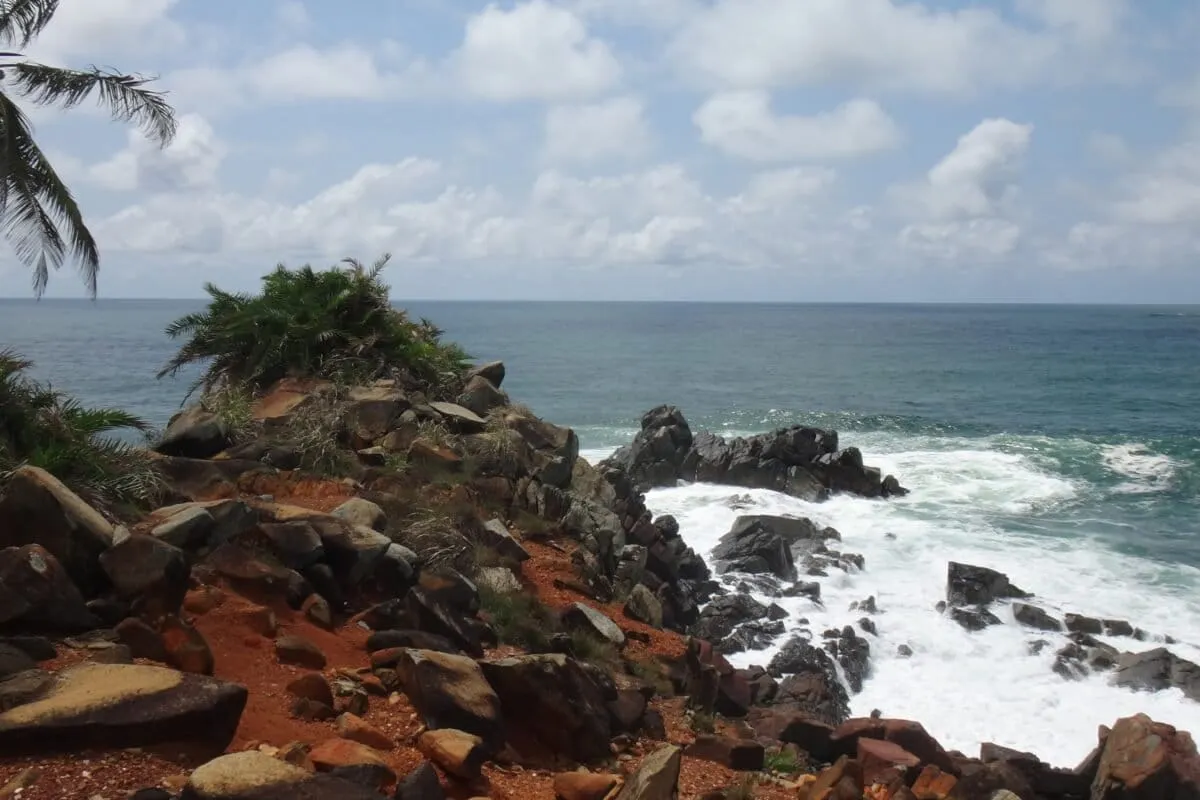
Along Oregon's rugged coast, where the Pacific Ocean is less a gentle embrace and more a very public wrestling match, fishing has always been a bit… dramatic. Take Port Orford, a town so committed to the fishing life it decided to skip the whole "natural bay" thing. Instead, they just hoist boats in and out of the water with cranes. Which, if you think about it, is both impressive and slightly terrifying.
This unique setup means only smaller boats can play in these waters, which has, predictably, shaped everything from the local economy to the very stubborn community that calls it home. Over the years, these coastal towns have faced the usual suspects: fewer fish, more rules, and the kind of rising costs that make a small business owner spontaneously sprout grey hairs. Plus, getting into the fishing game these days is like trying to join a very exclusive, very wet club.
The Man Who Tied Fishing to Survival
Enter Aaron Longton, a fisherman who understood that if you want to keep catching fish, you probably shouldn't, you know, run out of fish. Longton, who sadly passed away in January at 64, was a quiet force behind Port Orford's radical approach to sustainability.
We're a new kind of news feed.
Regular news is designed to drain you. We're a non-profit built to restore you. Every story we publish is scored for impact, progress, and hope.
Start Your News DetoxHe came to commercial fishing a bit later in life, trading other gigs for a small boat and a permit that cost a few thousand dollars – a sum that, today, would barely cover the bait. From those humble beginnings, he built a career on the principle that fishing wasn't just about hauling in dinner. It was about observation. It was about knowing the ocean's moods, the fish's hangouts, and predicting where the party would be, and more importantly, when it was time to leave it alone.
Longton's approach was perfectly suited to Port Orford. Because its fleet relies on those smaller, crane-launched vessels and old-school hook-and-line methods, they've always operated a little differently. They're not just catching fish; they're connecting how they catch them to how they sell them, and ultimately, to how the rest of us understand where our seafood actually comes from. It's a testament to a man who saw the long game, even when everyone else was just looking at the next tide.