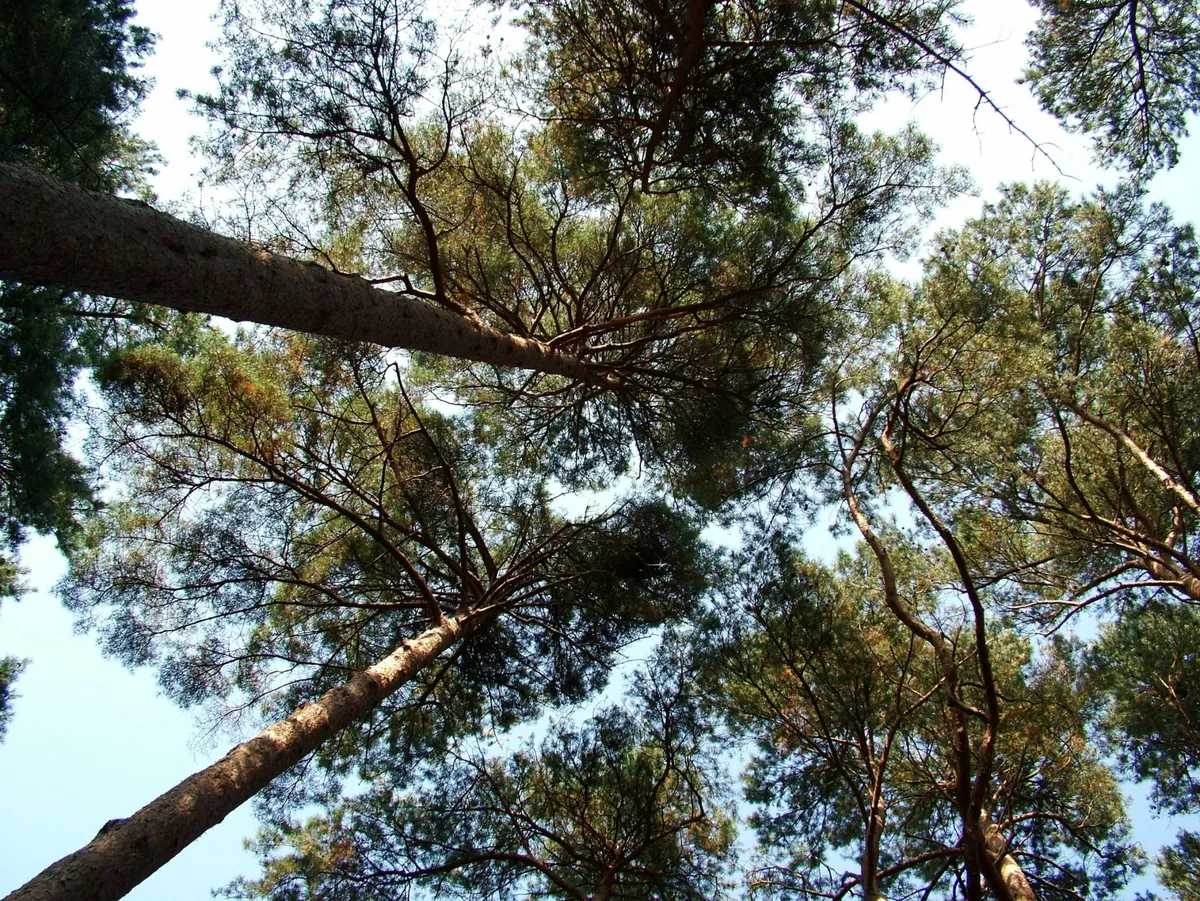
Forest soils might be hiding an unexpected climate benefit. Researchers in Germany found that these soils are absorbing more methane, a powerful greenhouse gas, as climate conditions shift.
This discovery comes from a long-term study by the University of Göttingen and the Baden-Württemberg Forest Research Institute (FVA). They looked at a large dataset of methane uptake in forest soils, some records going back 24 years.
Forest Soils Absorb More Methane
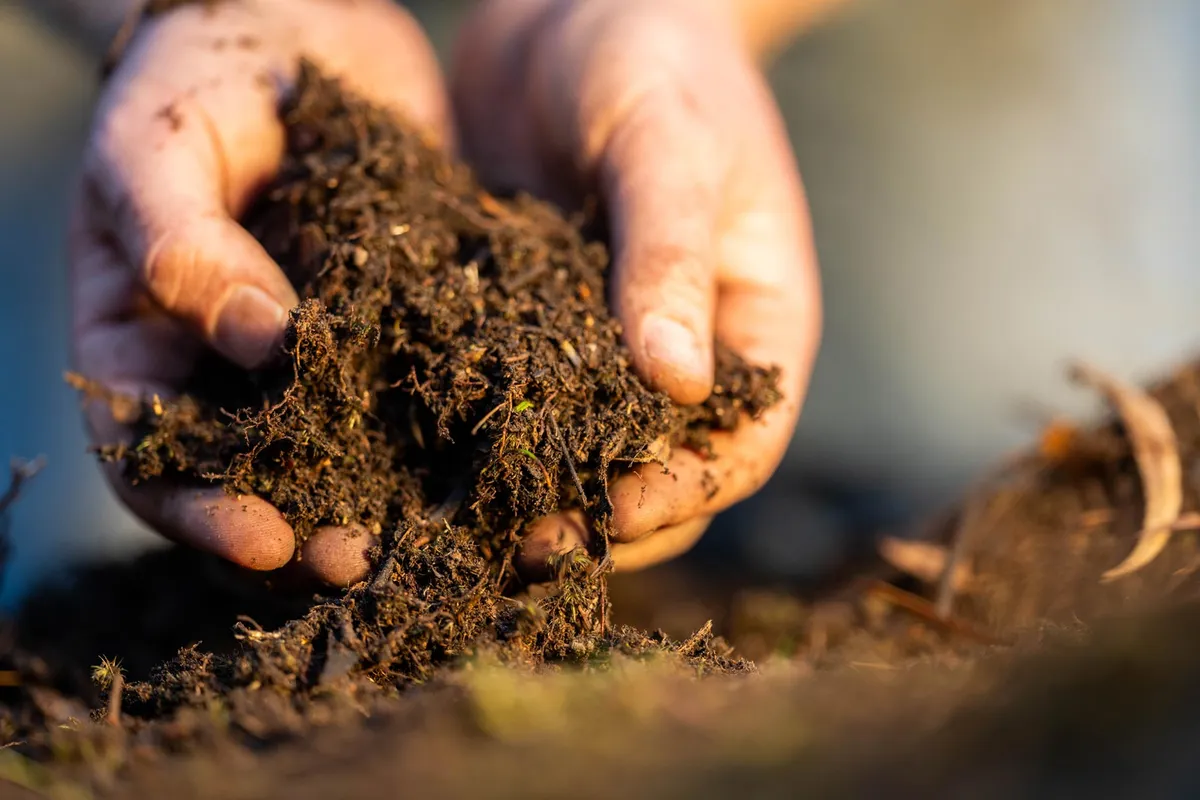
The study found that forest soils can increase their methane absorption under certain climate conditions. These conditions, like lower rainfall and higher temperatures, might become more common in the future. On average, methane uptake increased by about three percent each year.
We're a new kind of news feed.
Regular news is designed to drain you. We're a non-profit built to restore you. Every story we publish is scored for impact, progress, and hope.
Start Your News DetoxDrier soils allow methane to move into the ground more easily. Warmer temperatures also make the microorganisms that break down methane more active. These findings were published in Agricultural and Forest Meteorology.
How the Data Was Collected
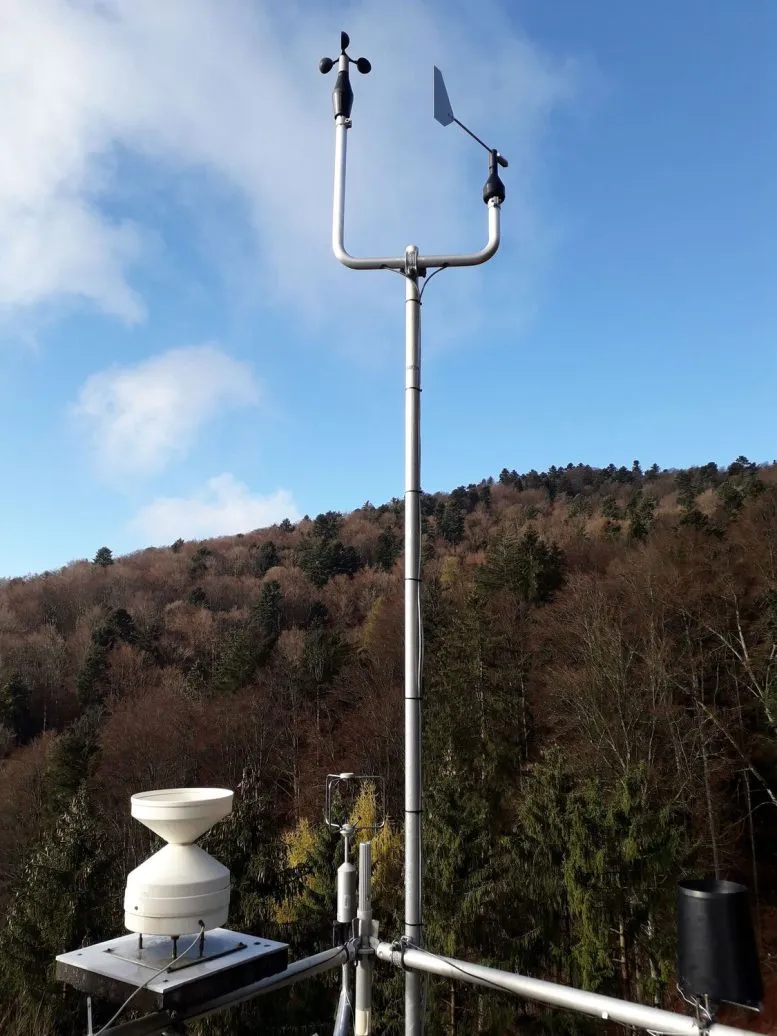
To measure methane absorption, researchers tracked how methane moves through different soil layers. They used soil gas profiles, which show the chemical makeup of air at various depths underground. These measurements came from the FVA’s ongoing soil gas monitoring program.

Air samples were collected every two weeks using narrow tubes in the soil and then analyzed in a lab. The team also used sealed chambers placed on the ground surface to confirm their results. A drop in methane levels inside the chamber showed how much gas the soil was absorbing.
Regional Findings Challenge Global Trends
While measurements varied across different forest sites, the overall trend was clear: forest soils in southwestern Germany are absorbing significant amounts of methane, especially when it's drier and warmer.
Professor Martin Maier, who led the study, noted that climate change doesn't always negatively impact methane absorption in forest soils. He explained that a large study in the U.S. found a decline in methane uptake due to increased rainfall. However, his team's more extensive study in Germany found the opposite.
Drier soils have more air spaces, which helps methane move through them. Warmer conditions also slightly speed up the work of methane-breaking microorganisms.
These results differ from many international studies that suggest a decline in methane uptake by forest soils. The researchers emphasize that long-term, local measurements are crucial for understanding how ecosystems react to climate change. Maier stressed that continuous monitoring programs are essential for assessing the true effects of climate change.
Deep Dive & References
Trend analysis of methane uptake in 13 forest soils based on up to 24 years of field measurements in south-west Germany - Agricultural and Forest Meteorology, 2025