Britain's native woodlands are in a bit of a pickle. Only 7% are thriving, thanks to a delightful mix of pests, invasive species, and fertilizer costs that have gone absolutely bonkers. But fear not, for a Bristol-based startup has found a rather… natural solution: festival toilets.
NPK Recovery, out of the University of the West of England, has decided that all that celebratory liquid gold from events like the London Marathon and Boomtown Festival shouldn't just go down the drain. Instead, they're collecting it, processing it on-site, and turning it into potent plant fertilizer. Think of it as upcycling, but for your bladder's output.
They strip out the less desirable bits, concentrate the nitrogen, phosphorus, and potassium (the good stuff plants crave), and voilà: a fertilizer that, according to field tests, works just as well as the synthetic kind. And no, it doesn't smell. Because apparently, that's where we draw the line.
We're a new kind of news feed.
Regular news is designed to drain you. We're a non-profit built to restore you. Every story we publish is scored for impact, progress, and hope.
Start Your News DetoxNow, for their biggest feat yet: they're using this pee-power to grow 4,500 native British trees over the next three years. The Forestry Commission, clearly impressed (or just desperate), has chipped in a cool £435,627 (about $553,000) for the trial. Which, if you think about it, is both impressive and slightly terrifying.
From Porta-Potties to Pine Forests
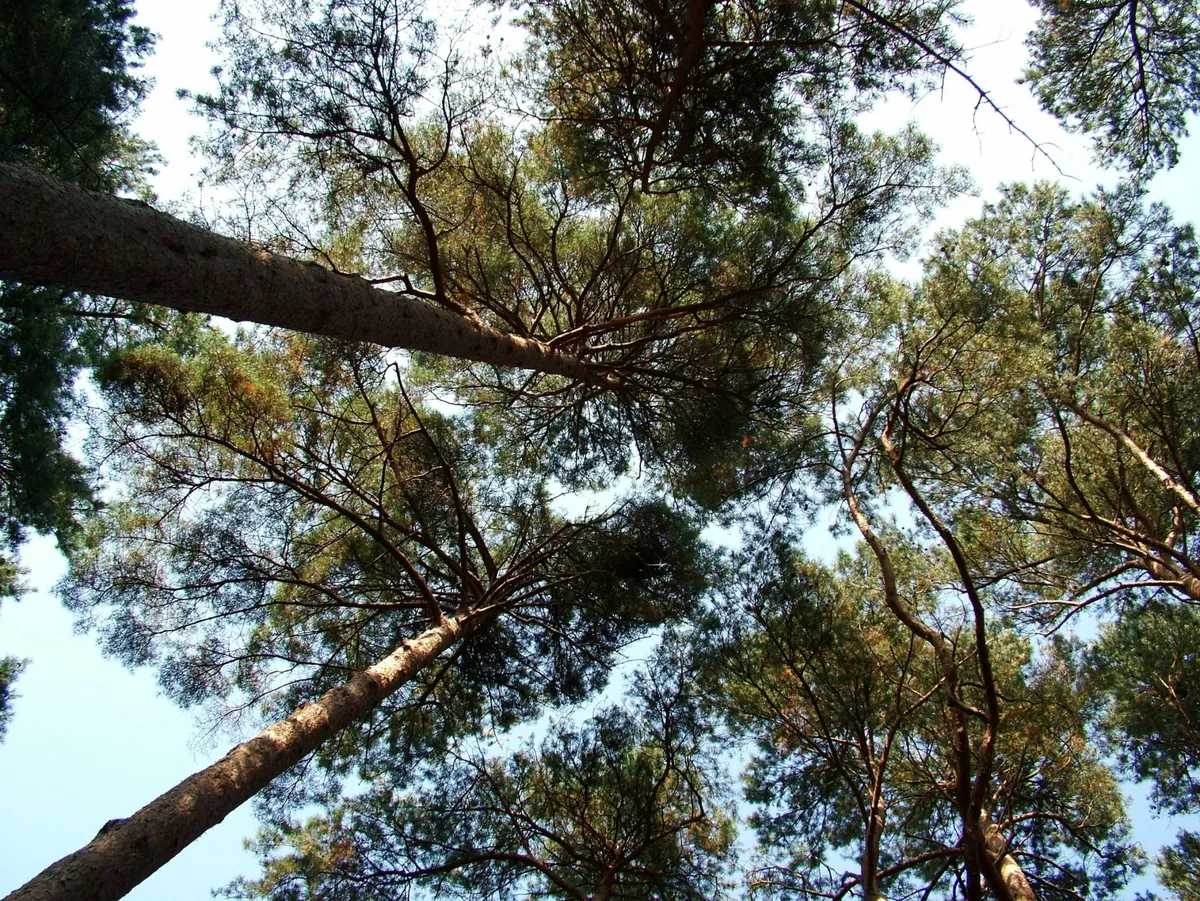
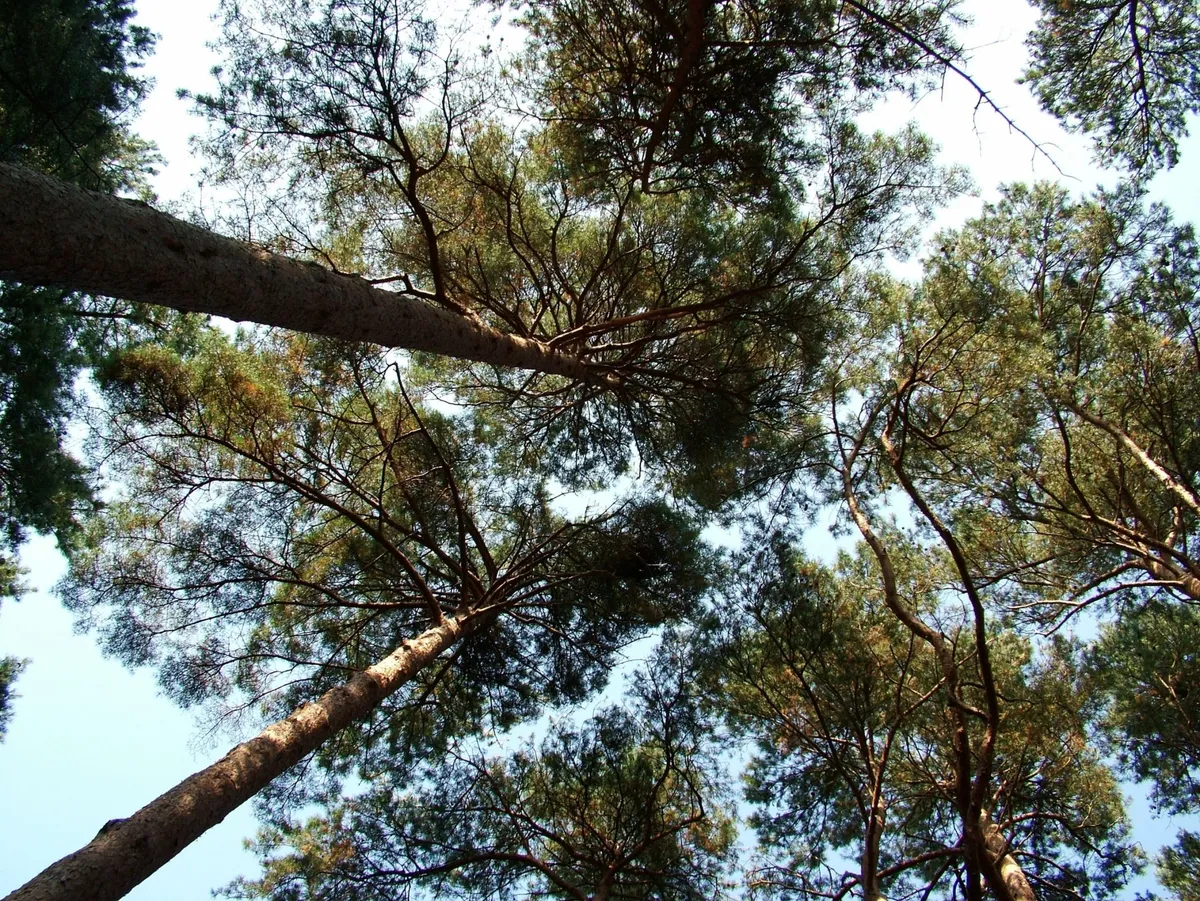
These future beech and Scots pine trees will start their journey at a nursery near Abergavenny in south Wales, run by the wonderfully named charity Stump up for Trees. This group, started by farmers, recently planted its 500,000th tree and is gunning for a million. Once the trees are sturdy enough, they'll relocate to Bannau Brycheiniog National Park, more commonly known as the Brecon Beacons.

This marks the first time urine-based fertilizer has been used to grow trees in the UK. It's a sign that even the most conventional institutions are now looking at, shall we say, alternative nutrient sources. Lucy Bell-Reeves, co-founder of NPK Recovery, called it a "circular solution" – a nice way of saying that festival-goers are inadvertently creating a "fledgling Welsh forest" that could last centuries. Imagine telling your grandkids that story.
As Bell-Reeves so eloquently put it, "We need to stop flushing crop and tree-growing nutrients down the loo, and start using them to increase our fertilizer security." Her mic-drop moment: "After all, we’re not about to run out of urine any time soon." Let that satisfying number sink in.
Over the next three years, researchers will be meticulously tracking tree growth, comparing their pee-fed saplings to those on synthetic diets. If these trees thrive, it'll be much harder to justify literally flushing valuable nutrients down the toilet. Which, frankly, seems like a win for everyone, even if it is a little weird.