Turns out, your grandma’s favorite cruciferous vegetables aren’t just good for fiber; they might also be future metal miners. Scientists have discovered that humble kale and cabbage can vacuum up toxic thallium from polluted soil, turning environmental clean-up into a potential treasure hunt.
Researchers at the University of Queensland found that certain plants, known as hyperaccumulators, naturally suck up heavy metals through their roots and stash them in their leaves and stems. They call this process phytomining, and it’s basically a green-thumbed approach to metal extraction that could make traditional, earth-scarring mining look positively prehistoric.
The Brassicas Strike Gold (or Thallium)
Leading the charge are plants from the Brassicaceae family — yes, the one that includes kale, cabbage, broccoli, cauliflower, mustard, and Brussels sprouts. For years, scientists have been checking these plants for food safety precisely because of their uncanny ability to absorb metals. Now, that ability is looking less like a health risk and more like a sustainable solution.
We're a new kind of news feed.
Regular news is designed to drain you. We're a non-profit built to restore you. Every story we publish is scored for impact, progress, and hope.
Start Your News DetoxDr. Amelia Corzo-Remigio, a geochemist on the study, noted that while they knew these plants were thallium sponges, the how and how to use it parts were a bit murky. Thallium, for the record, is nasty stuff — highly toxic. But it’s also a VIP metal in medical tech, optical glass, and semiconductors. Which, if you think about it, is both impressive and slightly terrifying.
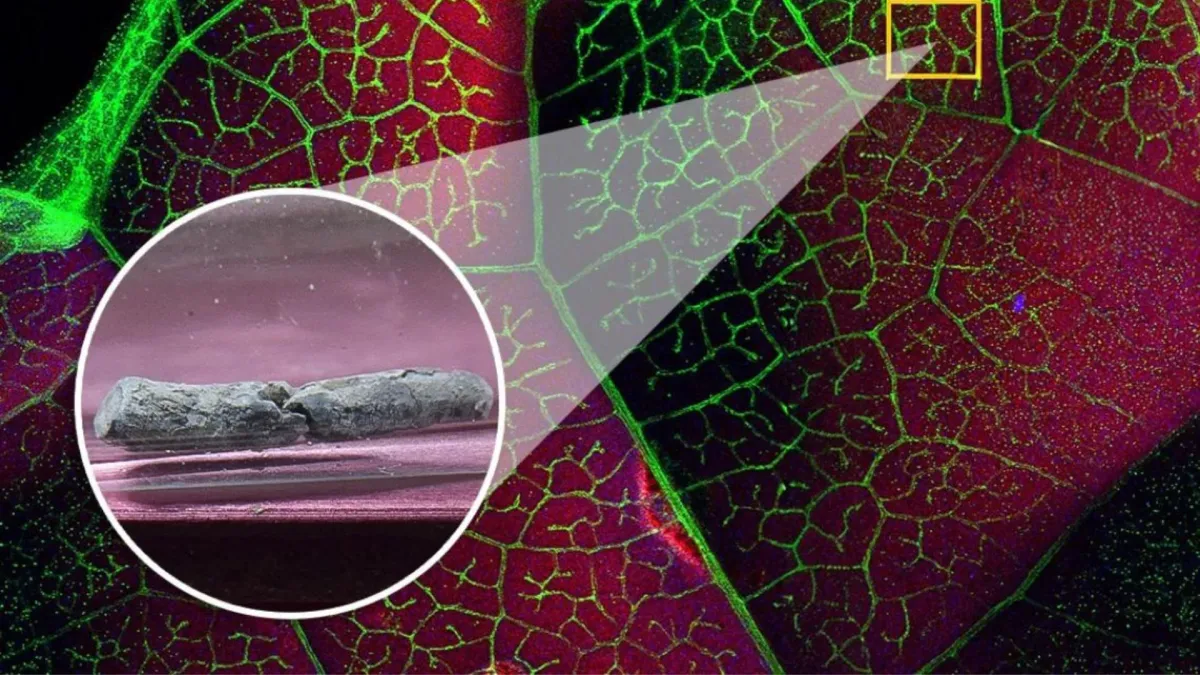
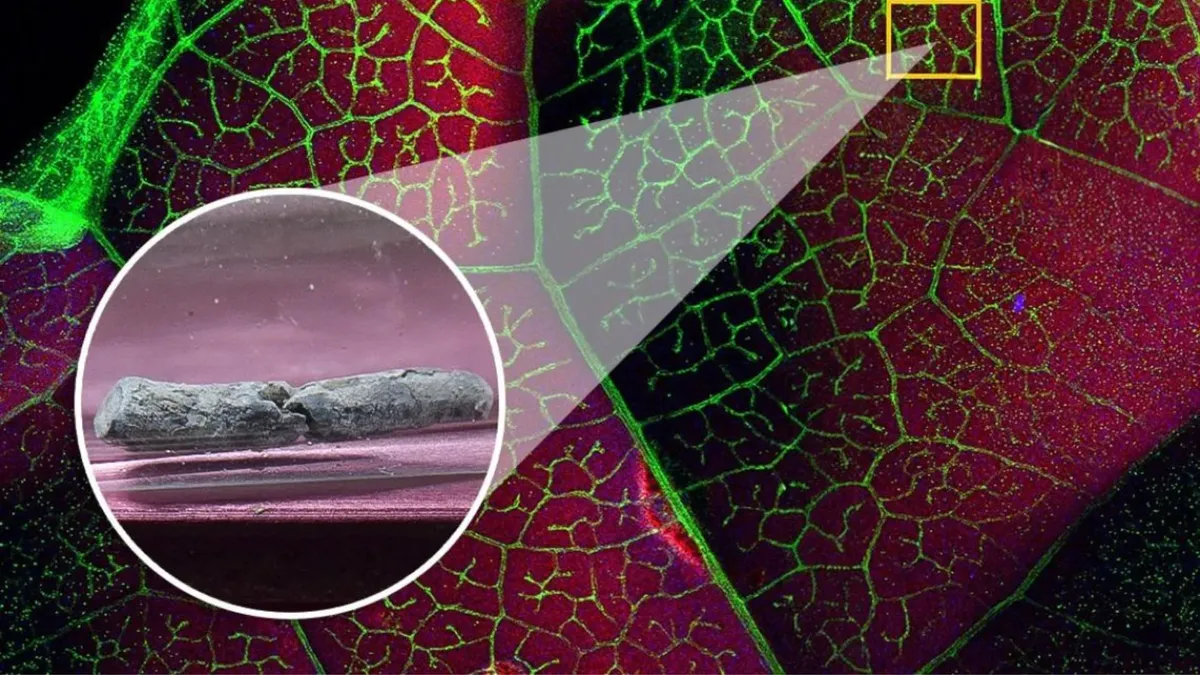
The breakthrough came with some serious X-ray vision. The team used micro-X-ray fluorescence and X-ray diffraction mapping on live plants, essentially giving them a microscopic GPS tracking of the metal. What they found was that kale doesn't just absorb thallium; it crystallizes it. The metal forms neat little thallium chloride deposits right along the veins in the leaves.
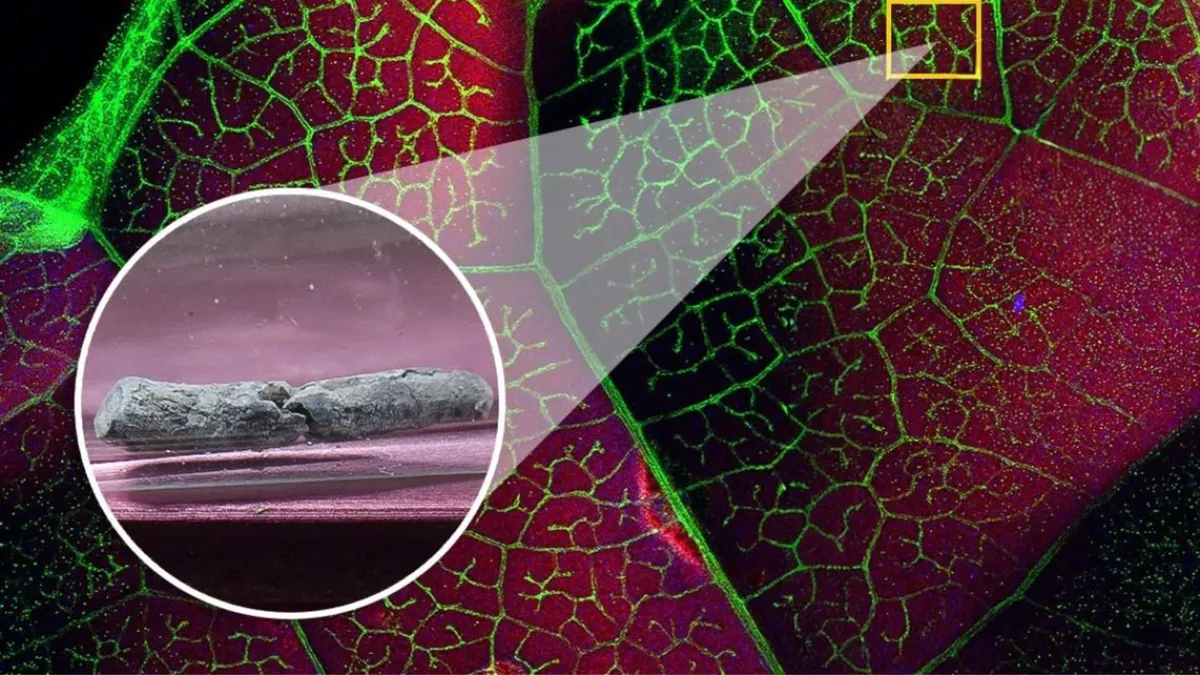
This crystalline form is key. It means getting the metal back out could be surprisingly straightforward, using existing extraction methods. So, the plants do the hard work of gathering, and we just, well, harvest the harvest.
Experts at the Sustainable Minerals Institute point out that the demand for metals is only going to skyrocket thanks to renewable energy and medical tech. Traditional mining is a dirty business. Phytomining, on the other hand, offers a dual benefit: clean up contaminated land and supply critical materials. Because apparently, that’s where we are now: letting our salad greens do the heavy lifting for the planet.