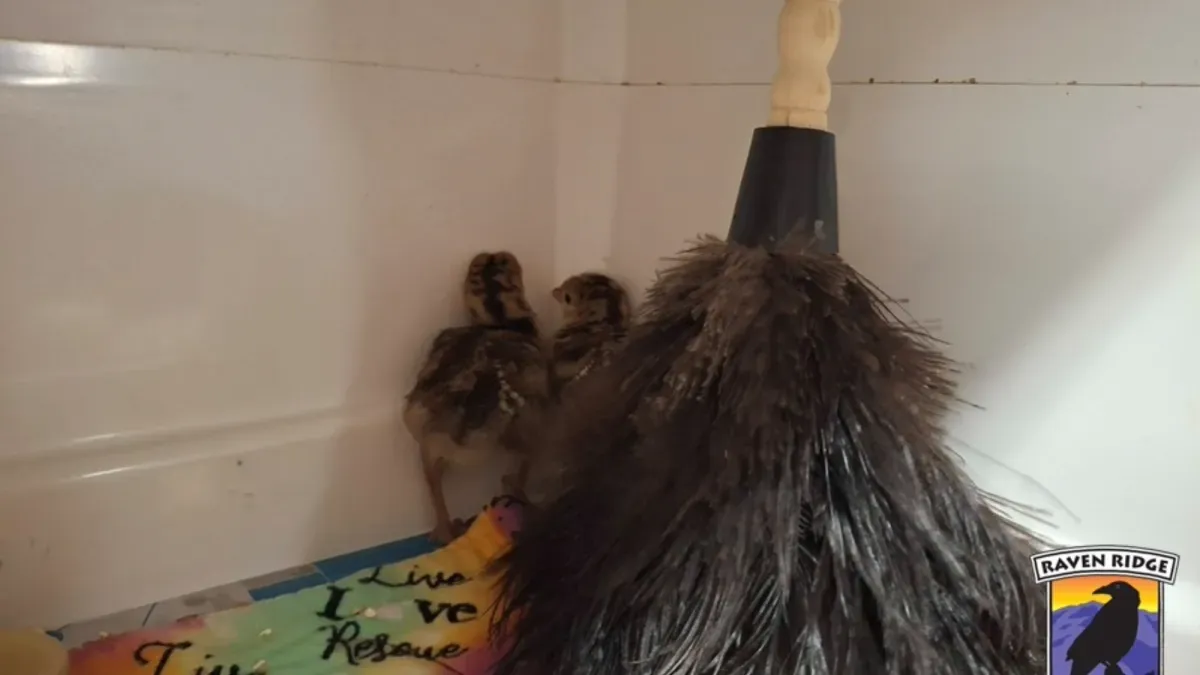
Losing your mom is tough, especially when you're a day-old turkey chick. But for two tiny orphans at Pennsylvania's Raven Ridge Wildlife Center, comfort came in the most unexpected, and frankly, hilarious, form: a feather duster.
Because apparently, when you're a stressed-out baby bird, a fluffy stick is close enough to mom for government work. And it worked. The two chicks, barely out of their shells, were found after their actual mother and a sibling likely had an unfortunate encounter with a car.
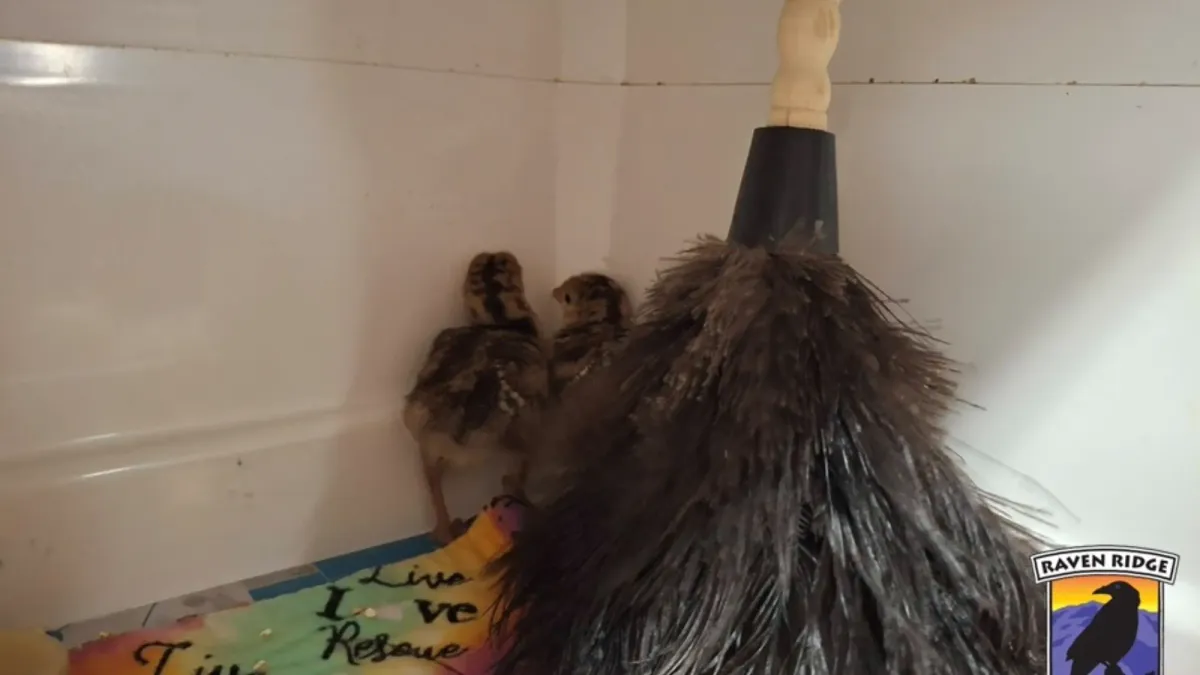
Now, turkey chicks are "precocial," which is a fancy way of saying they can waddle and peck for food pretty quickly. But they still need warmth, protection, and a general sense of "mom is here, everything's fine" to, you know, survive. Enter the feather duster.
We're a new kind of news feed.
Regular news is designed to drain you. We're a non-profit built to restore you. Every story we publish is scored for impact, progress, and hope.
Start Your News DetoxStaff popped the little guys into an incubator for warmth, then added the duster. The idea? It gives them something to hide under, just like they would with their biological mom. Tracie Young, the center's director, explained that the duster provides that crucial sense of security, helping to dial down their stress levels. Which, if you think about it, is both ingenious and slightly adorable.
The Psychology of a Feather Duster
It's not just about the fluff. The center also plasters pictures of adult turkeys inside the incubator. Why? To give the chicks a visual role model, since a real turkey decoy would probably take up the whole damn incubator. This kind of creative problem-solving is standard operating procedure for wildlife rescues. We're talking fox masks for staff caring for young foxes, all to keep the little guys from getting too chummy with humans.
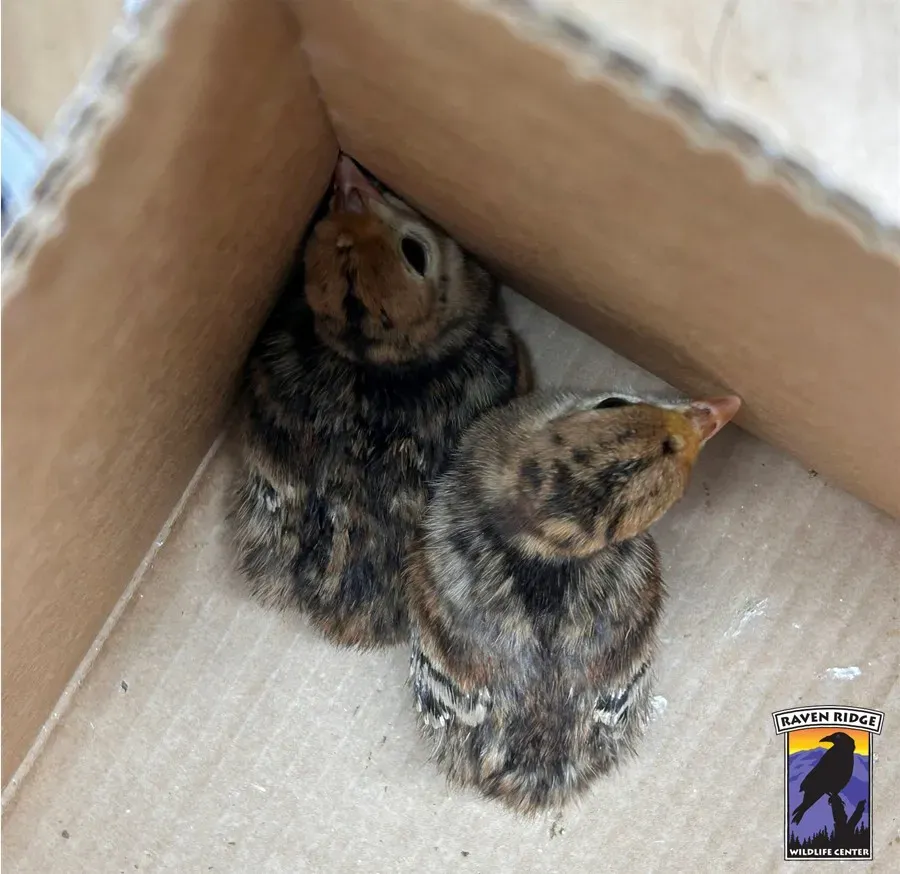
The feather duster trick isn't new, and it's certainly not retired. The center recently welcomed its first ruffed grouse chick, and guess who's getting a fluffy new "mom"? That's right. The baby turkeys will stay at the center until they're big enough to rough it on their own, eventually moving to a larger enclosure before their grand release into the wild.
And the duster's impact? Young reported the chicks were noticeably calmer, eating more, and packing on the ounces almost immediately after its introduction. So next time you're dusting your shelves, just remember: you might be holding a turkey's surrogate parent.