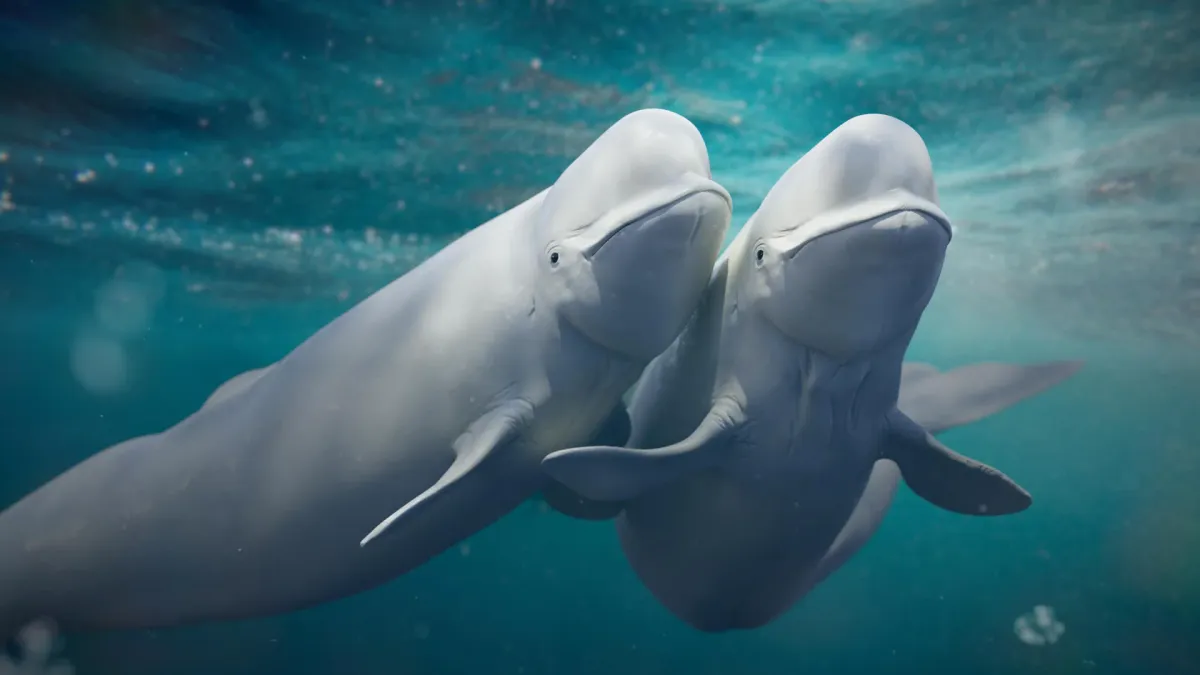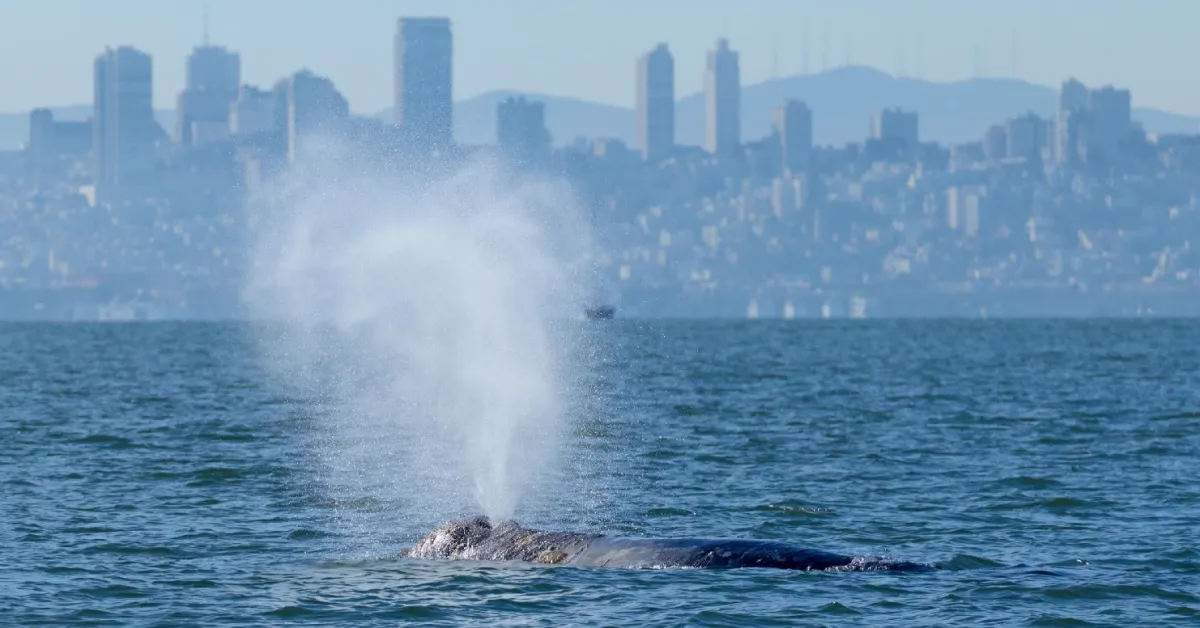
San Francisco Bay has a new, very large, and very hungry tourist attraction: gray whales. Since 2018, these ocean giants have decided the bay is a five-star diner on their epic commute, which is great for whale-watching, less so for the ships trying to navigate one of the busiest ports in the U.S.
Because nothing says "perilous journey" like a 40-ton mammal trying to grab a snack in a shipping lane. This new stopover has led to some rather unfortunate encounters, with over 20 whales dying from ship collisions in 2025 alone. Which, if you think about it, is both impressive and slightly terrifying.
Enter the heroes of the story: a monitoring system that uses thermal cameras and AI. Its job? To tell massive ships, "Hey, slow down, there's a whale trying to eat here!" Because apparently, that's where we are now.
We're a new kind of news feed.
Regular news is designed to drain you. We're a non-profit built to restore you. Every story we publish is scored for impact, progress, and hope.
Start Your News DetoxWhy the Whales Are Here
Turns out, climate change is making the whales' usual Alaskan feeding grounds a bit sparse. So, like any hungry traveler, they're improvising. They're adding a pit stop in San Francisco Bay to fuel up during their 12,000-mile round trip from Alaska to Mexico and back. It's one of the longest migrations of any mammal, and now it comes with an extra side of dodging container ships.
Whale biologists from the Benioff Ocean Science Lab, WhaleSpotter, and the Marine Mammal Center basically built a high-tech whale-spotting network. Thermal cameras scan the water, picking up the heat signatures from whale spouts and bodies when they surface. An actual human then confirms the sighting and tries to figure out which species it is. Because, you know, details.
This crucial information then goes live on the Whale Safe website, a sort of real-time Waze for whales, alerting mariners and the Vessel Traffic Service. It's a clever bit of tech trying to mediate a very modern problem: ancient migratory patterns meeting 21st-century commerce. All so a few really big fish can get a decent meal without becoming an accidental hood ornament.