Turns out, some of the most cutting-edge ecological research isn't happening in a lab, but on beaches and in forests, guided by knowledge that's been around for millennia. Western scientists are finally, and quite enthusiastically, catching on.
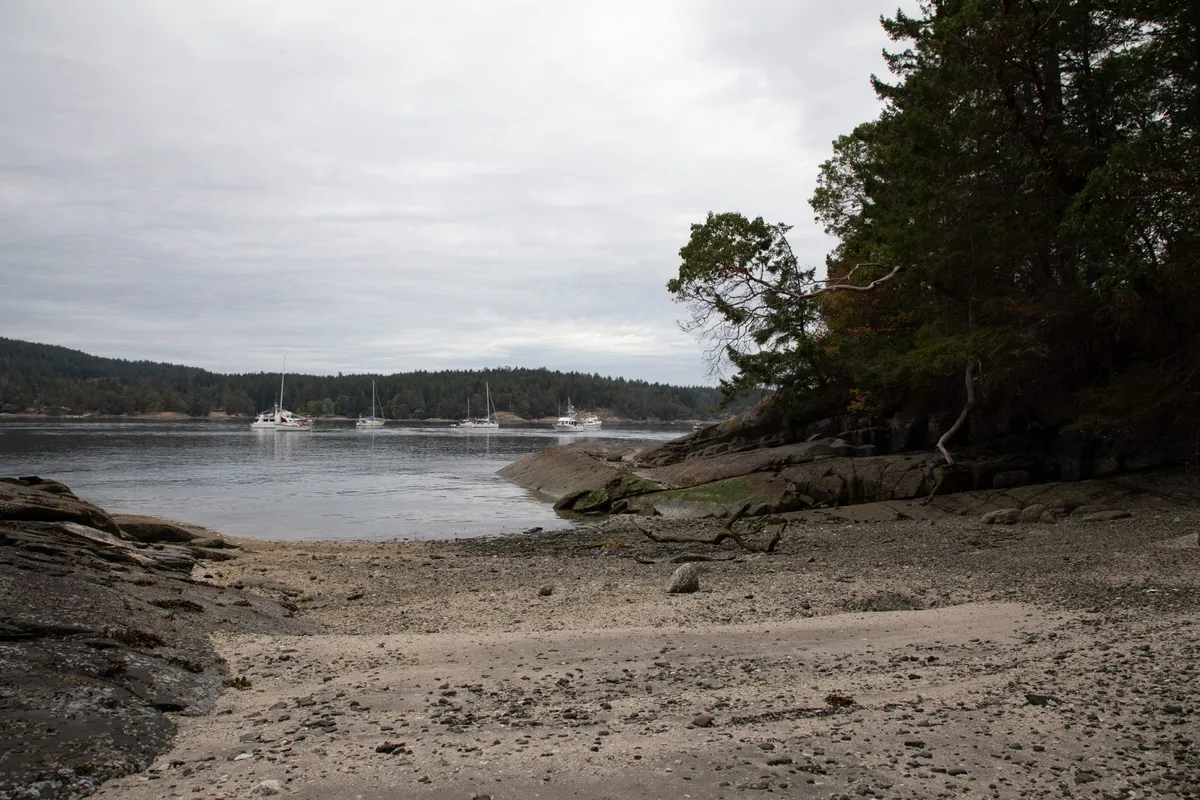
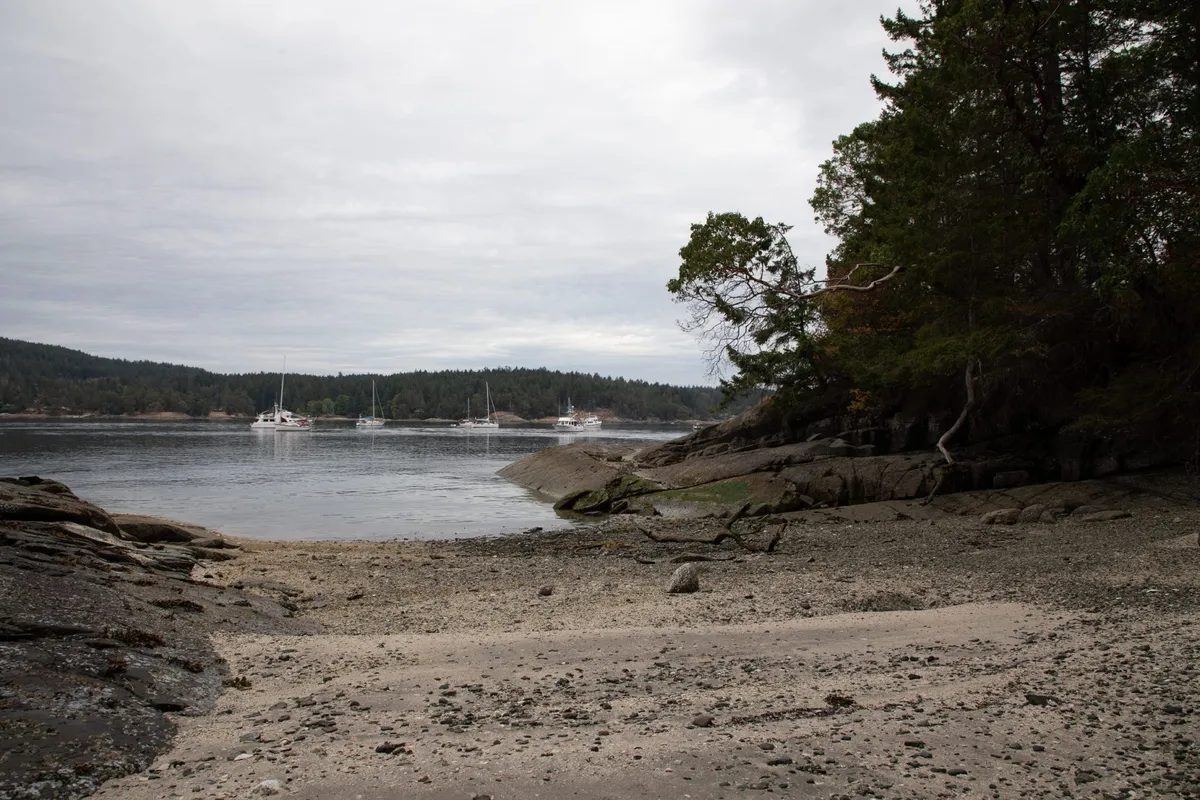
Take Marco Hatch, a marine ecologist and member of the Samish Indian Nation. He's helping seven Indigenous communities in the Pacific Northwest resurrect clam gardens — ancient, terraced, rock-walled beaches built by their ancestors over 4,000 years ago. His data helps these nations secure permits, regain food sovereignty, and reclaim access to lands lost to colonization. Which, if you think about it, is both impressive and slightly terrifying that we needed permits for something that old.
This isn't just about clams. Kyle Whyte, an environmental justice professor and member of the Citizen Potawatomi Nation, calls it a "massive shift." For centuries, Western science largely dismissed traditional Native knowledge as quaint myths. Now? They're realizing they missed a lot.
We're a new kind of news feed.
Regular news is designed to drain you. We're a non-profit built to restore you. Every story we publish is scored for impact, progress, and hope.
Start Your News DetoxThe Original Data Scientists
Apparently, spending millions of dollars to confirm what Indigenous people have known for generations isn't the most efficient use of grant money. Whyte points out that more collaboration could save a fortune and lead to far more advanced ecological studies. Imagine that.
In British Columbia, researchers found that Indigenous forest gardens produced abundant food and improved forest health. In Michigan, Whyte worked with the Sault Ste Marie Tribe of Chippewa Indians to bring back prescribed burns. These burns, banned by the federal government in 1911, historically supported robust populations of grouse, hare, and deer. After extensive surveys, the tribe successfully made their case. Because sometimes, the old ways are just… better.

Kisha Supernant, Métis and Papaschase, directs the University of Alberta’s Institute of Prairie and Indigenous Archaeology. She explains that Indigenous knowledge has a "rich history of observation, experimentation and understanding." The key difference? Western science tends to silo fields like ecology and biology. Indigenous knowledge, however, sees "the earth and the water and the air and the plants and the animals as deeply interdependent and interconnected." A holistic view that Western science is, shall we say, slowly appreciating.
Reclaiming the Right to Harvest
One persistent challenge: Indigenous communities often still have to "prove" their practices using Western scientific methods. Suzanne Greenlaw, a citizen of the Houlton Band of Maliseet Indians and an ecologist, knows this well.
She studied how sweet grass recovers after harvesting — all to reclaim the right to gather it from Acadia National Park land in Maine, a right denied to Wabanaki people for over 100 years. Her study confirmed what practitioners already knew: they understood exactly how and where to harvest for the best ecological benefit. Harvest rights are now likely to be reclaimed.

Greenlaw is also working on a marshland restoration project in Acadia, using pollen from core samples to identify plants like cattails and groundnuts that Wabanaki communities once ate. The National Park Service's data was fragmented, but Wabanaki people ask, "What is the land telling us? What is the story of the landscape?" It's still unclear if they'll need separate permits for each food source, or if broader harvest rights are on the table. Greenlaw emphasizes that Wabanaki people have cared for this landscape for generations; harming it simply isn't in their playbook.
Supernant sums it up: if Indigenous communities still have to jump through Western scientific hoops to validate their knowledge, "we’re not at the place we need to be." Greenlaw agrees, noting Western science can help, "as long as Native people are still decision makers." Canada's 2019 law requiring Indigenous knowledge in fisheries decisions, and federal funding since 2022 to blend both systems, shows glimmers of progress.
Whyte advises Western scientists to approach potential Indigenous partners before research questions are even formed. Get excited about a topic together, plan from the start. "Indigenous people need to be involved at the earliest stages of research."
Back on those Pacific Northwest beaches, Hatch sees the payoff. When Indigenous knowledge holders and land managers collaborate, "a lot of relationships are strengthened." Memories surface, passed from elders to younger generations. "The beach," he observes, "is a great place to connect." And apparently, to learn a thing or two about how the world actually works.