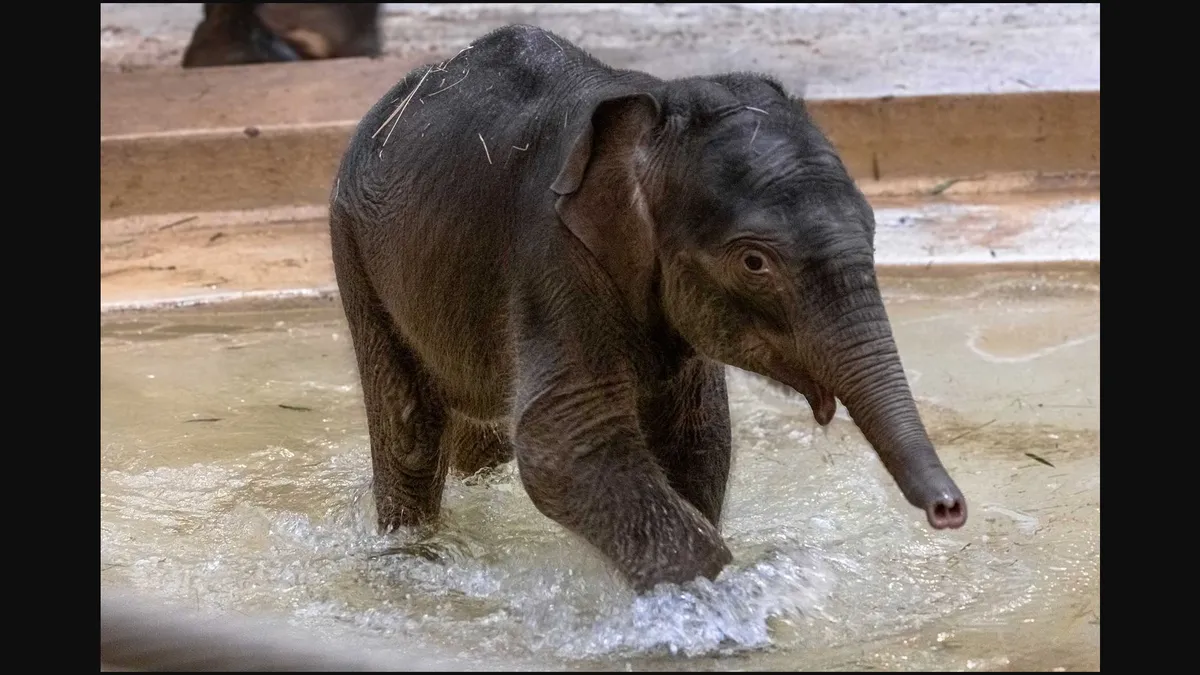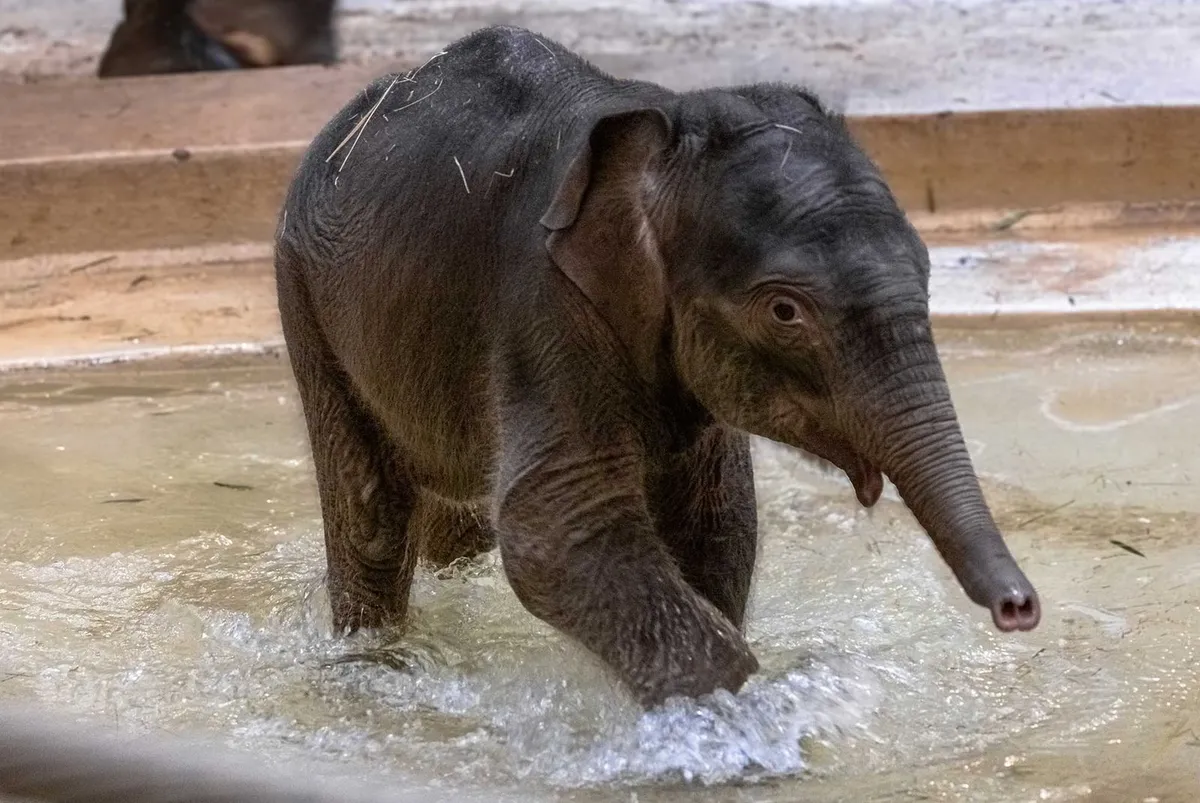
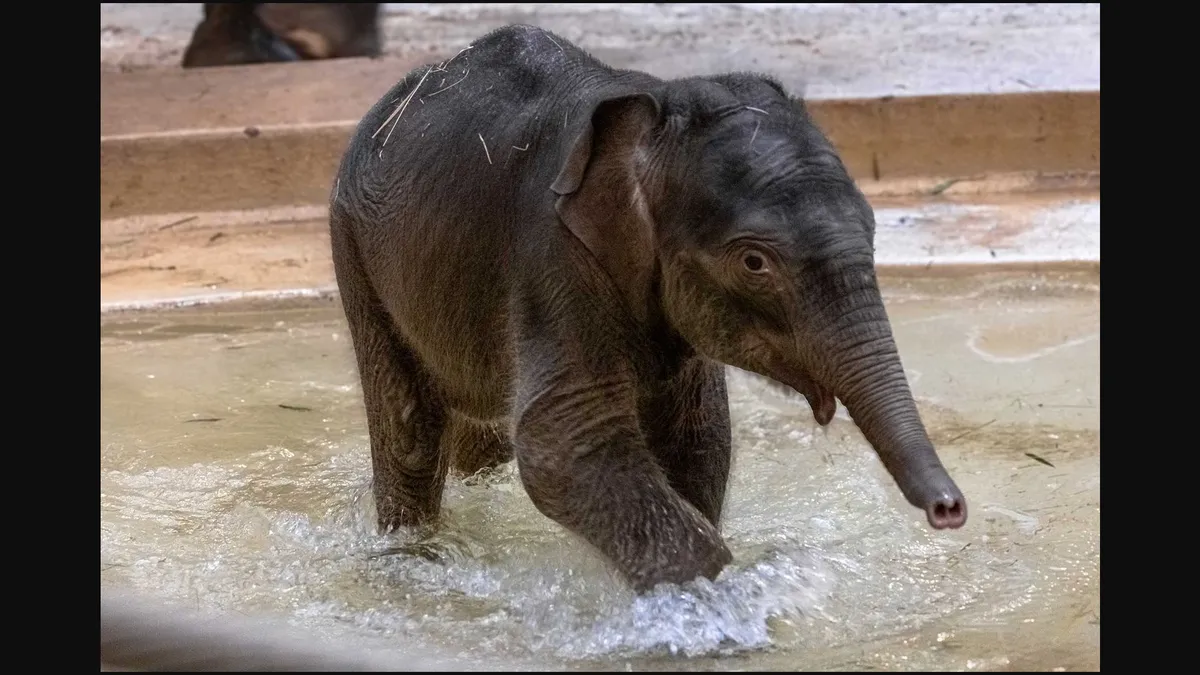
Baby elephant Linh Mai is ready to meet the public after two months of growing behind the scenes. She is the first Asian elephant calf born at the Smithsonian’s National Zoo and Conservation Biology Institute in nearly 25 years. Keepers describe her as playful, vocal, and smart.
Linh Mai recognizes her name, enjoys bath time, and runs around the Elephant Community Center. Visitors can see her in person starting April 22. She will also be featured on the Elephant Cam live stream.
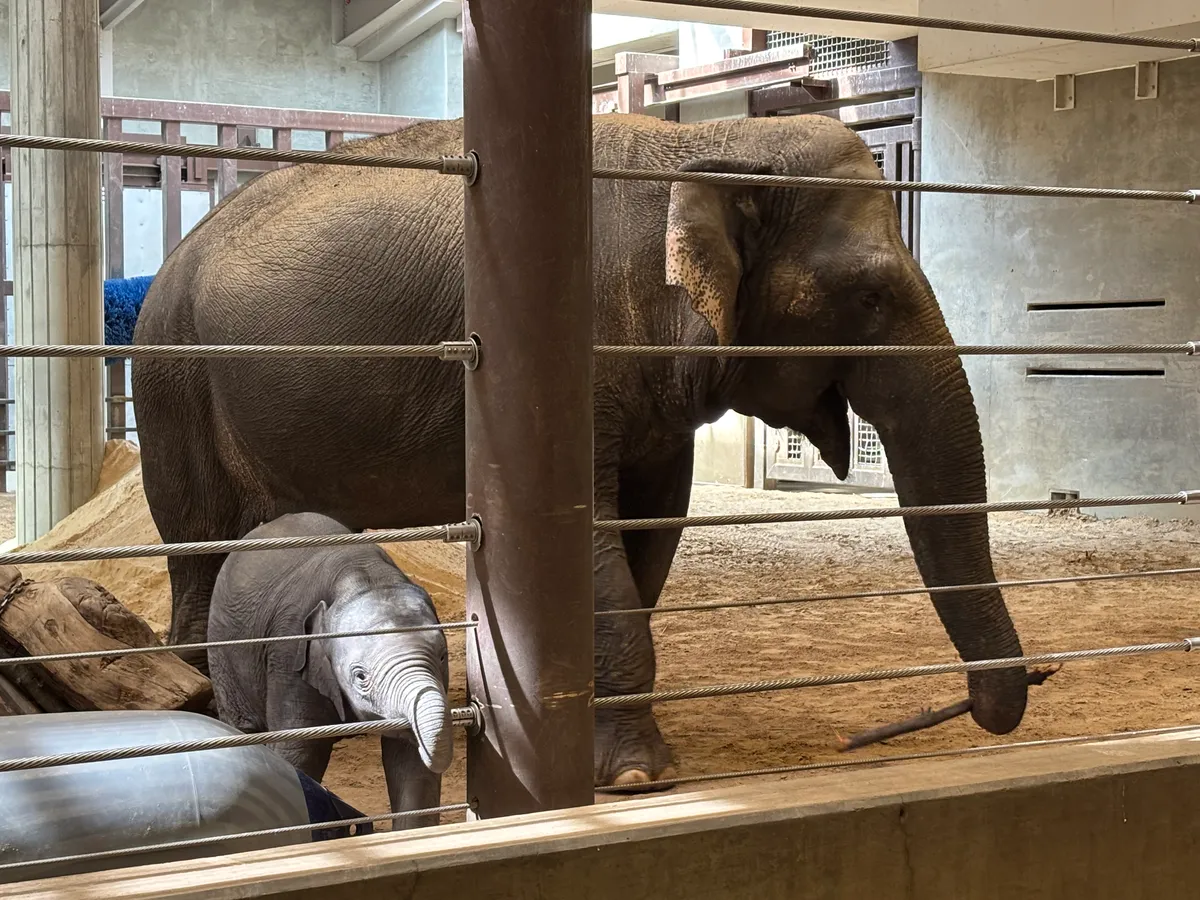
Robbie Clark, the Zoo’s elephant manager, expects Linh Mai to be amazed by the outdoor environment. Guests will get to see many of her "firsts" as she explores.
We're a new kind of news feed.
Regular news is designed to drain you. We're a non-profit built to restore you. Every story we publish is scored for impact, progress, and hope.
Start Your News DetoxA Growing Star

Linh Mai was born on February 2 to mother Nhi Linh and father Spike. Chief veterinarian Don Neiffer noted her spunky nature from birth. She was vocal and trying to stand within ten minutes.
Nhi Linh, a first-time mother, has shown some aggression towards her calf. This behavior is common for new elephant moms. Keepers are working to encourage positive interactions between them.

In the meantime, keepers are caring for Linh Mai. They bottle-feed her every two hours with about four pounds of formula. She is gaining weight well, now weighing 462 pounds.

While human care is not ideal long-term, Clark cherishes the close role they have in Linh Mai's development.
Learning from the Herd

Zookeepers cannot teach Linh Mai how to be an elephant. For this, she has an "auntie" in Swarna, an adult female elephant. Swarna showed positive signs of interaction when first meeting Linh Mai through a barrier.
This led keepers to allow them to meet without a wall. Swarna used her trunk to guide Linh Mai, showing she understood her role. She provides the socialization the calf needs.

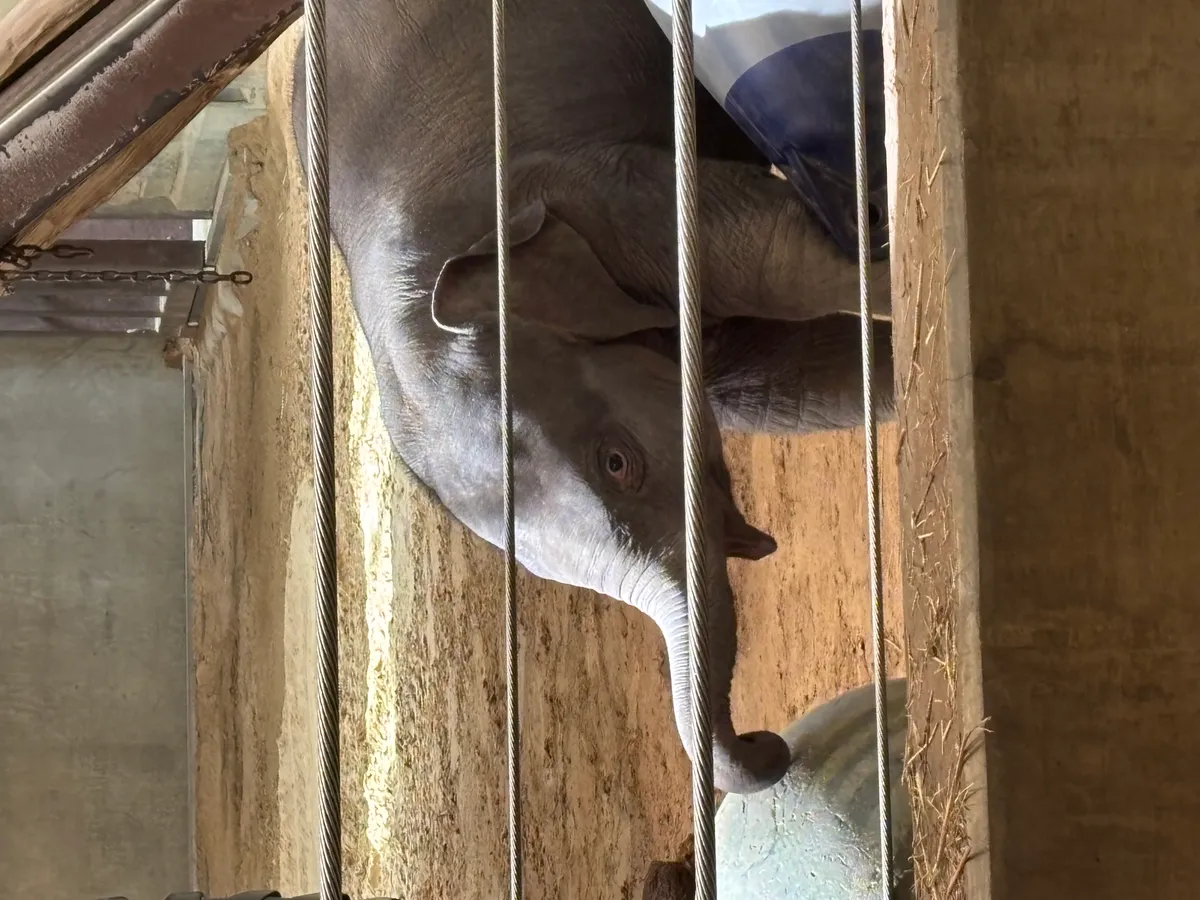
Linh Mai is learning trunk motor skills and communication from Swarna. Her father, Spike, has also shown patience and spends time with her. Bozie, the herd's dominant female and an experienced mother, is also acting as an "auntie." She may help facilitate interactions between Linh Mai and Nhi Linh. The Zoo's herd now has seven elephants.
Conservation Efforts

Spending time outdoors will boost Linh Mai's vitamin D levels and support her bone development. She will likely start eating vegetation within a few months. Asian elephants reproduce between eight and 13 years old and continue to develop until their late 20s.
Asian elephants have long gestation periods, up to 22 months. They give birth only every three to eight years. They are much more endangered than African elephants, with fewer than 50,000 remaining in the wild. Their main threats are habitat loss and conflicts with humans.

The Zoo's conservation teams study elephants in the wild and in captivity to improve protection efforts. They research Asian elephant genomes and pregnancy hormones. By tracking wild elephants in Myanmar, they learn about habitat use and risks. The Zoo's elephants sometimes help test tracking technology.
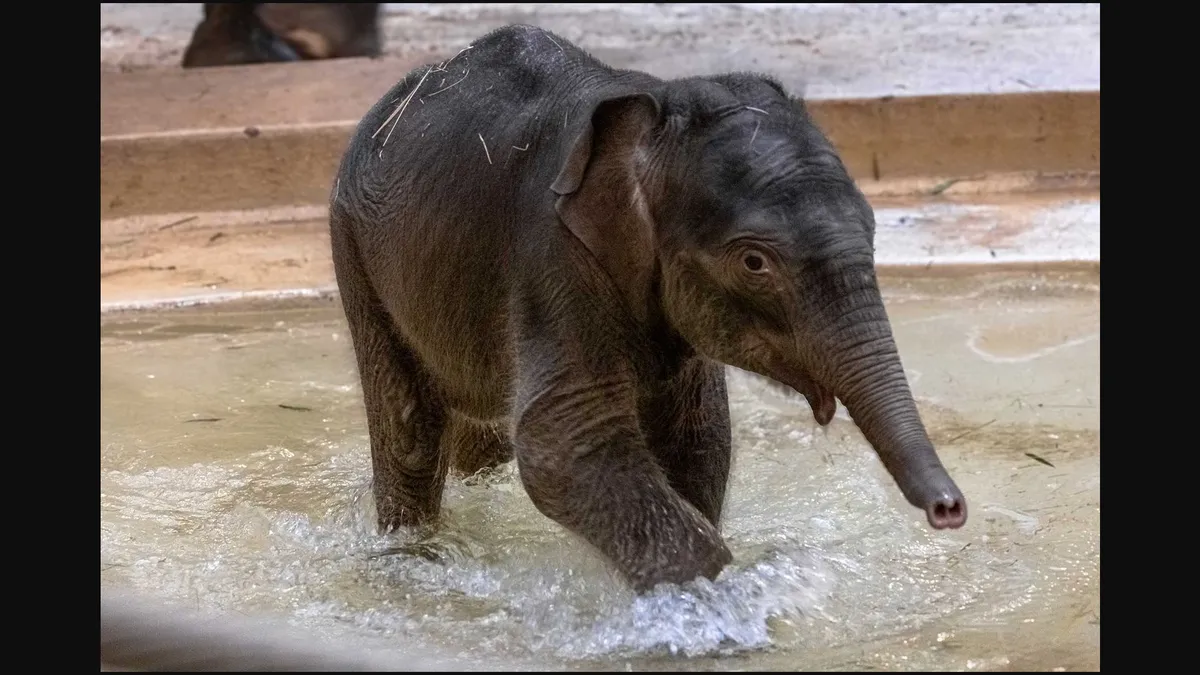
The birth of an elephant like Linh Mai is vital for the species' population and for scientific knowledge. Clark emphasizes that "every baby matters." Her birth has also given many more keepers experience with elephant births.
The Zoo's elephants act as ambassadors, helping visitors connect with the species. When Linh Mai makes her public debut, she will help people understand the importance of protecting her wild relatives. Clark hopes that seeing Linh Mai will inspire people to care about the future of Asian elephants.