Today, it seems the quiet work behind the scenes is finally getting its moment in the sun. From researchers meticulously cataloging every living thing in the Smoky Mountains to the unexpected chemistry happening inside tiny fish, the world is revealing its intricate workings to those patient enough to observe.
The Unsung Heroes of the Environment: Observation and Preservation
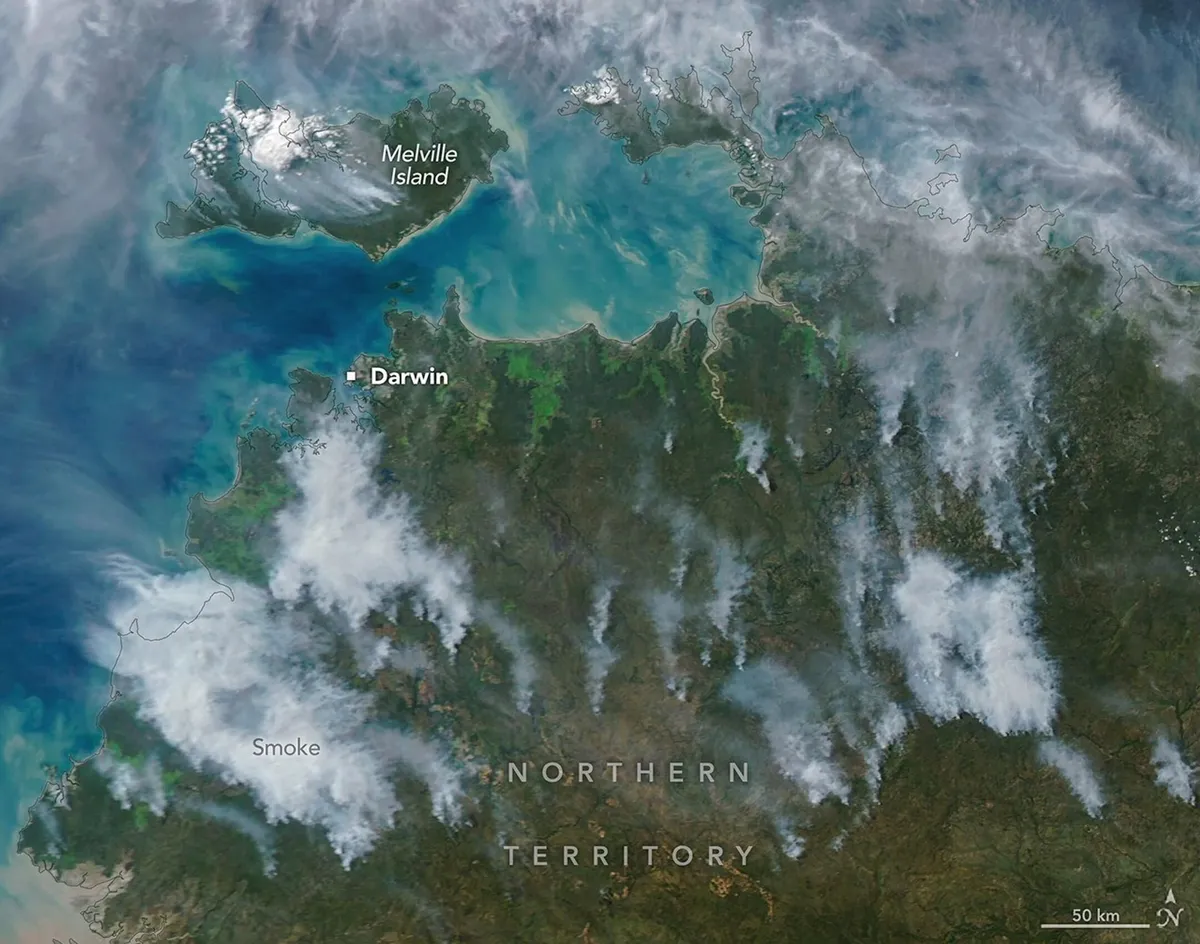
Sometimes, the most profound changes don't come from grand, sweeping gestures, but from dedicated, granular effort. Take the retirees in the Smoky Mountains who, rain or shine, are systematically documenting every single species in the park. It's a colossal undertaking, driven by the understanding that you can't protect what you don't know exists. Similarly, in Australia, the age-old practice of prescribed burns is proving to be the most effective strategy against devastating wildfires, echoing the wisdom of Indigenous land management. And half a world away, Indigenous communities in eastern Indonesia are reviving their own ancient customary systems to safeguard one of the richest marine biodiversity regions on Earth. These aren't flashy tech solutions; they're grounded, human-led efforts proving that sometimes, the best way forward is to look back, or simply, to look closer.
What this means for you: If you've felt overwhelmed by environmental challenges, remember that consistent, localized action, often rooted in historical knowledge, is quietly making immense progress.
We're a new kind of news feed.
Regular news is designed to drain you. We're a non-profit built to restore you. Every story we publish is scored for impact, progress, and hope.
Start Your News Detox"The coral had been declared dead in 2019. Five years later, it's not just alive — it's spawning." — Read the full story
Tiny Tech, Big Leaps: Smarter Solutions for Complex Problems
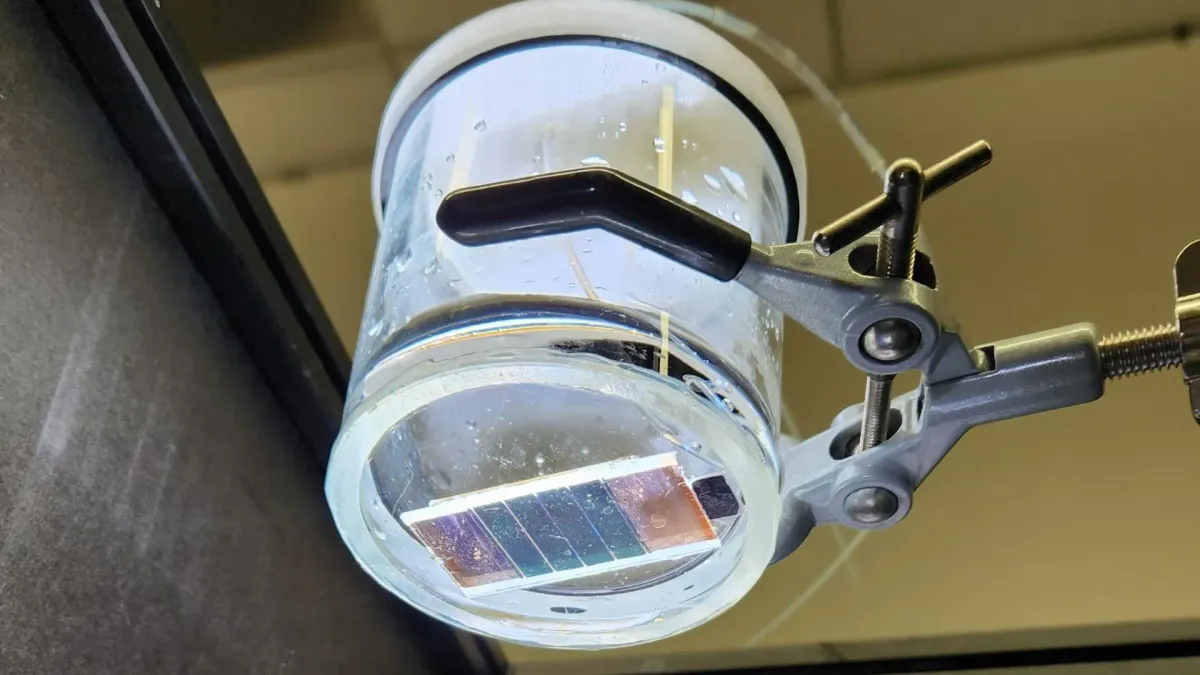
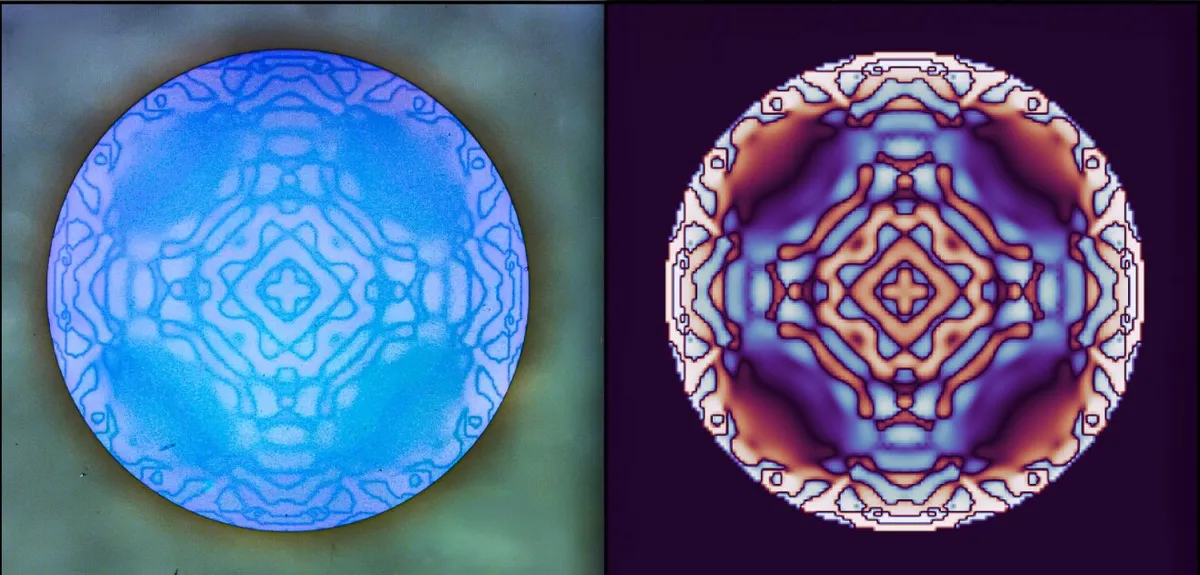
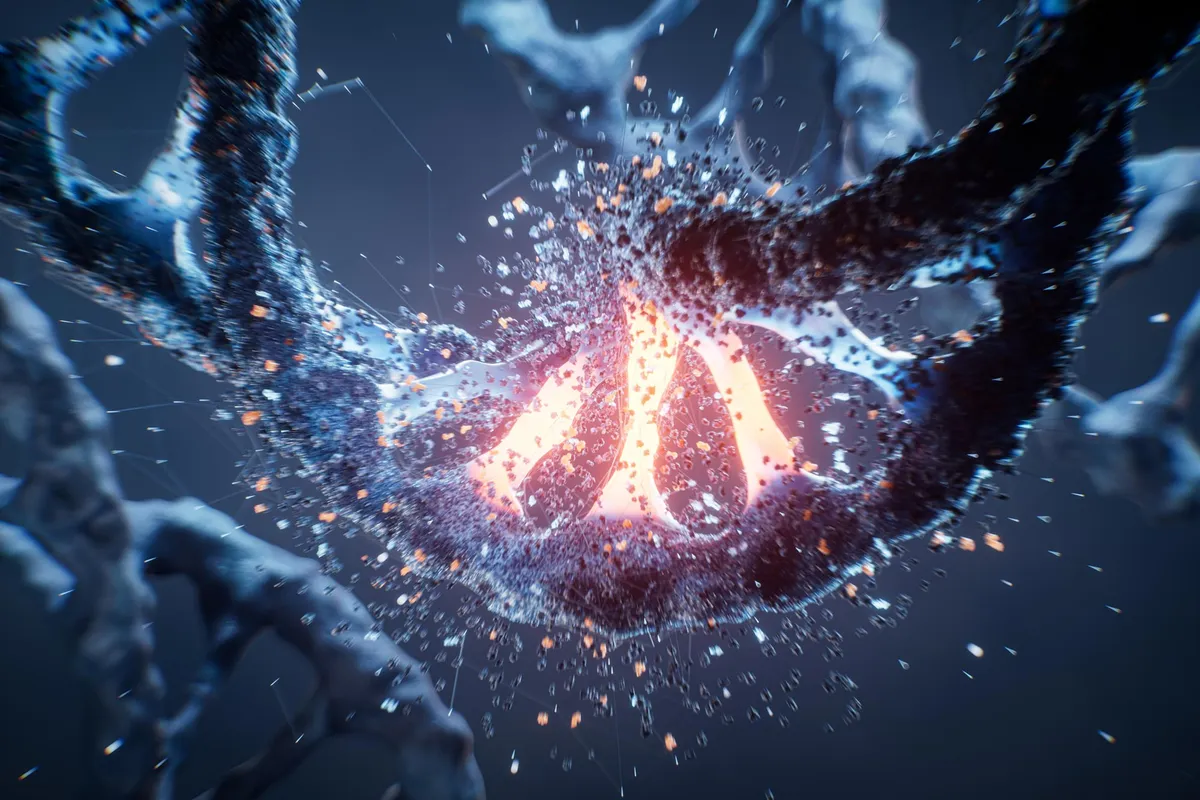
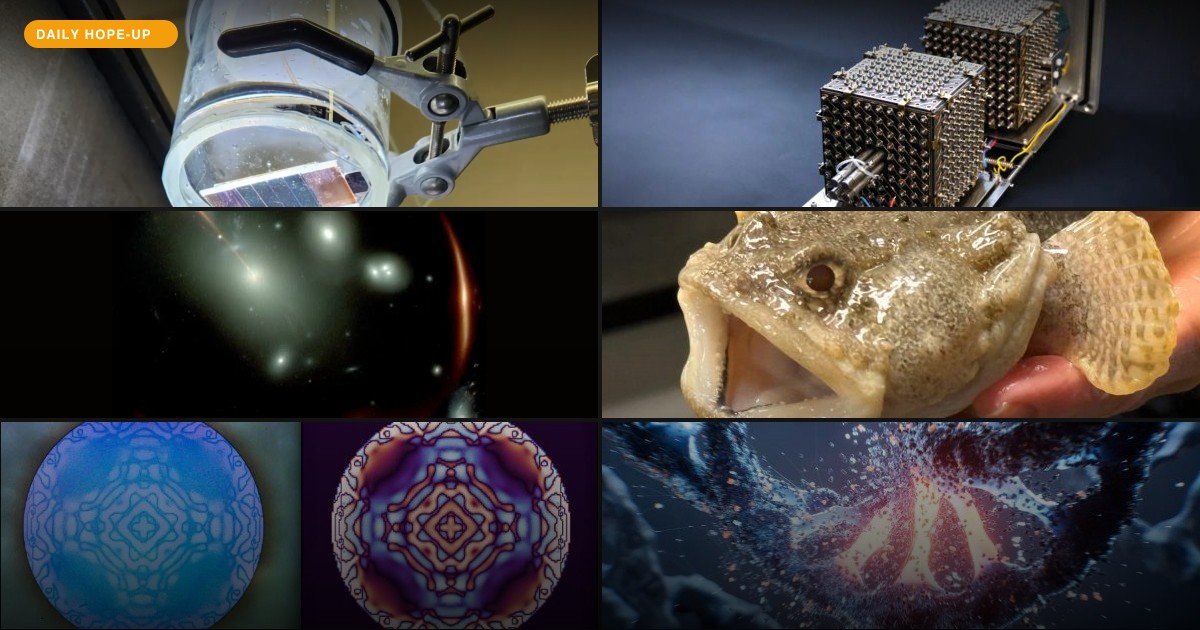
While some look to the past, others are pushing the boundaries of the incredibly small to solve incredibly large problems. Researchers at Yale just unveiled a new artificial leaf that uses only sunlight to turn CO2 and water into liquid fuel. No external electricity needed – just a clever design mimicking nature's own photosynthesis. Meanwhile, a team at UC San Diego engineered a tiny optical device paired with AI that can correct distorted light, promising sharper images from everything from microscopes to phone cameras. And if you thought mass spectrometry was already precise, a new prototype can now detect billions of molecules at once, a leap that could revolutionize drug discovery and materials science. These aren't just incremental improvements; they're shifts in capability, making complex processes more efficient and accessible.
What this means for you: The tools we're building are becoming exponentially more powerful, suggesting that solutions to seemingly intractable problems might be closer than we think.
Unexpected Connections: From Fish Guts to Family Habits
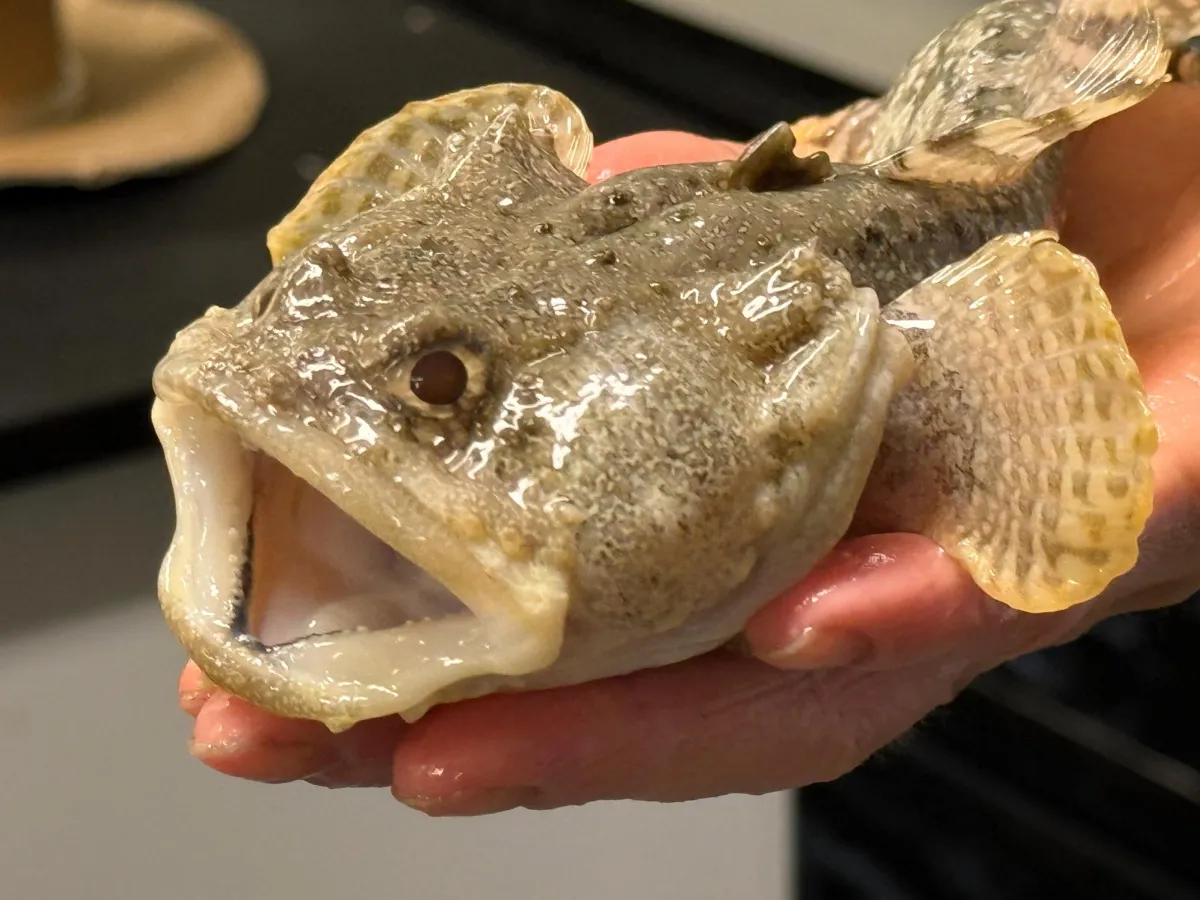
Sometimes, the most intriguing discoveries come from places you'd least expect. Who knew that microbes living inside fish might be subtly shaping the chemistry of the world's oceans? This isn't just a quirky fact; it could alter our fundamental understanding of marine ecosystems. On a more terrestrial note, new Swedish research suggests that if your kids are glued to their screens, perhaps parents should look in the mirror. It's a reminder that our habits, however personal, often ripple outward, influencing the world and people around us in surprising ways.
What this means for you: The world is far more interconnected than we often realize, meaning that small, seemingly isolated actions can have significant, systemic impacts.
Hope stat: 1 Million — hectares of forest land in the DRC now legally stewarded by Indigenous communities.
Watch this space: The continued rollout of AI-driven solutions for everyday problems, from camera lenses to personalized nutrition, will be fascinating to observe.