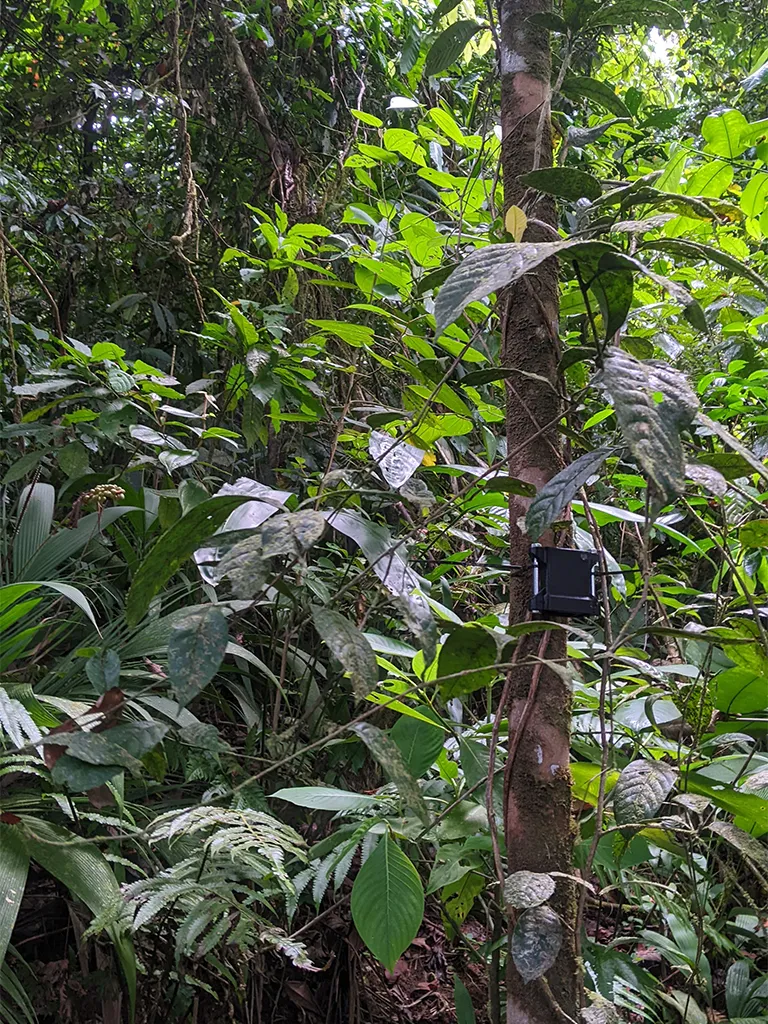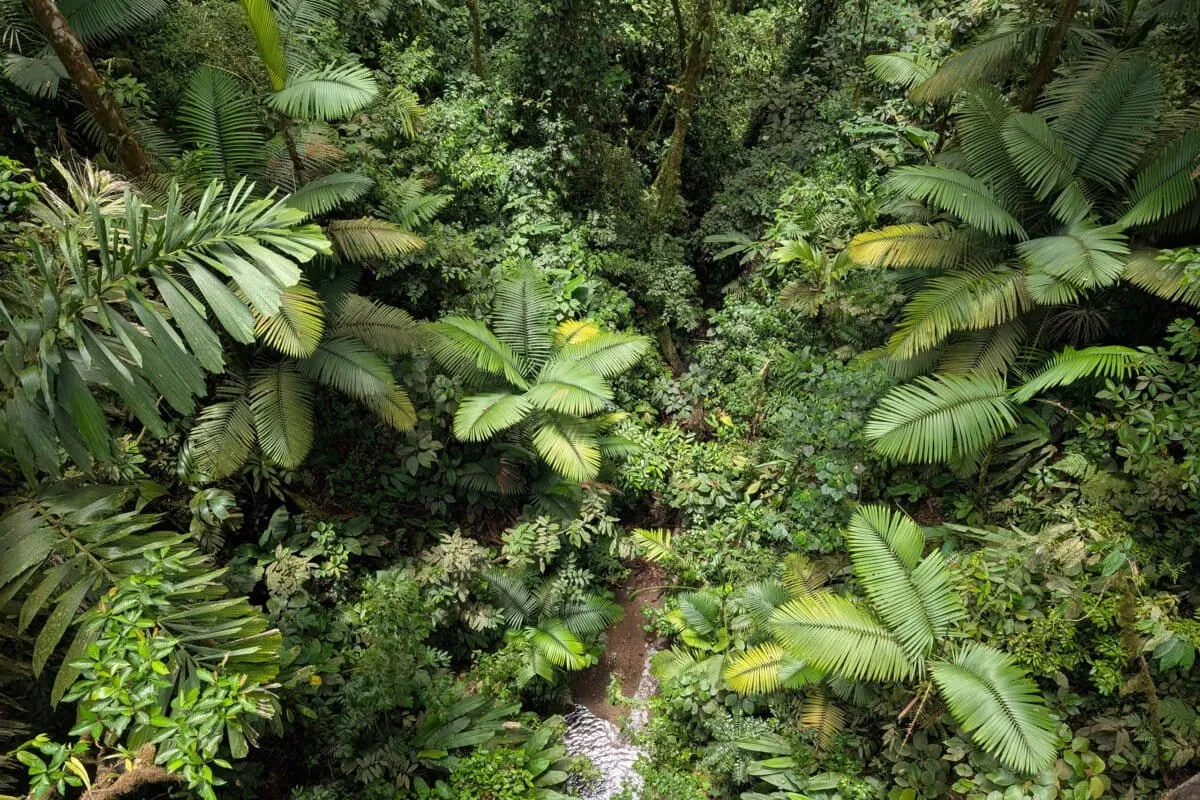
Imagine your doctor diagnosing your health just by listening to your heart. Now imagine scientists doing the same for an entire forest. That's exactly what a team led by Giacomo Delgado at ETH Zürich did in Costa Rica, and the results are, well, music to our ears.
They didn't just count trees; they listened. By analyzing a staggering 16,000 hours of forest audio, the researchers discovered that naturally regrowing forests don't just look like they're recovering — they sound like it too. The symphony of life, from buzzing insects to chirping birds, returned to a level comparable to forests that have been protected for decades. Which, if you think about it, is both impressive and slightly terrifying if you consider what a quiet forest might mean.

The Comeback Kid of Conservation
Costa Rica has quite the comeback story. Back in 1950, half the country was lush forest. By 1995, thanks to cattle ranching and farming, that number plummeted to a mere 25%. It was a silent crisis, literally.
We're a new kind of news feed.
Regular news is designed to drain you. We're a non-profit built to restore you. Every story we publish is scored for impact, progress, and hope.
Start Your News DetoxBut then, Costa Rica decided to rewrite the script. In 1997, they launched a groundbreaking "payment for ecosystem services" (PES) program. Think of it as paying people to be good stewards of the land. Landowners and communities get paid to protect and restore forests. So far, this innovative program has safeguarded over 1.3 million hectares (that's 3.2 million acres) of forest.
And now, thanks to some very patient listening, we know it's not just about the numbers on a map. It's about the vibrant, noisy return of biodiversity. It turns out, the sound of a healthy forest isn't just beautiful; it's a vital sign that conservation efforts are working. Now, if only our phones could tell us if we were healthy just by listening to us complain about traffic.