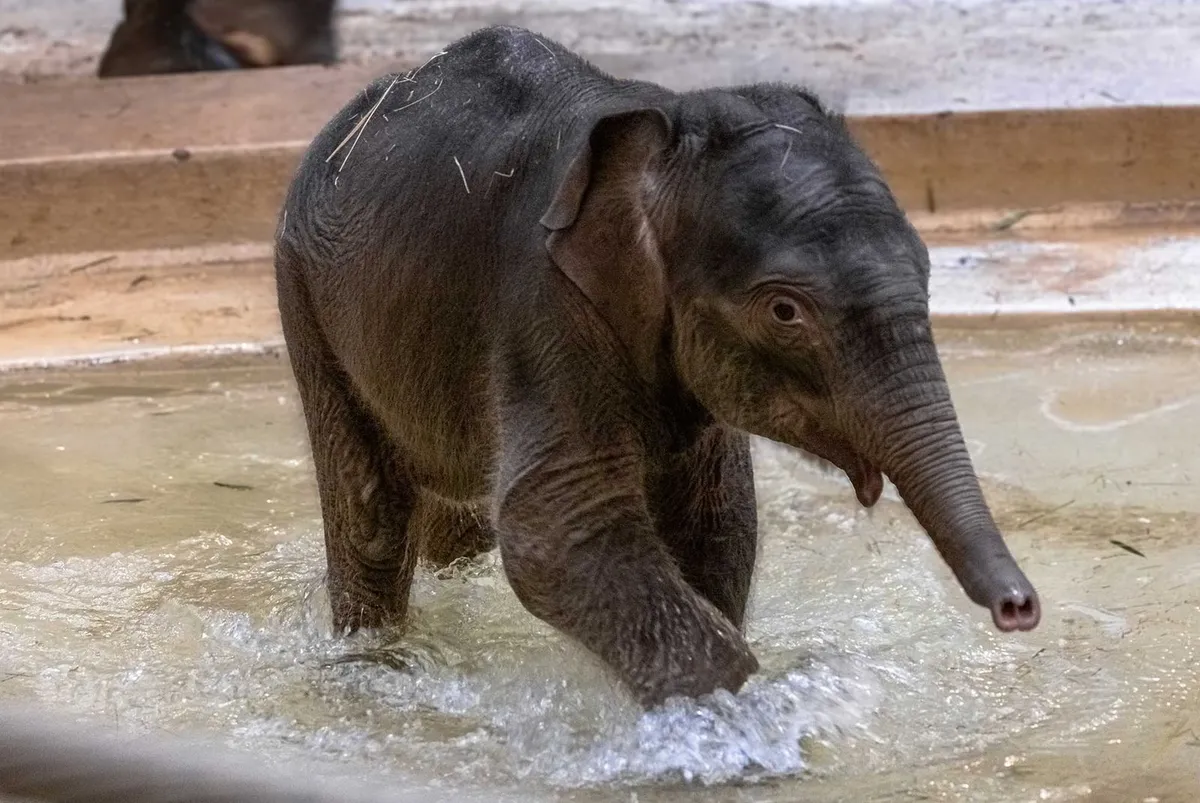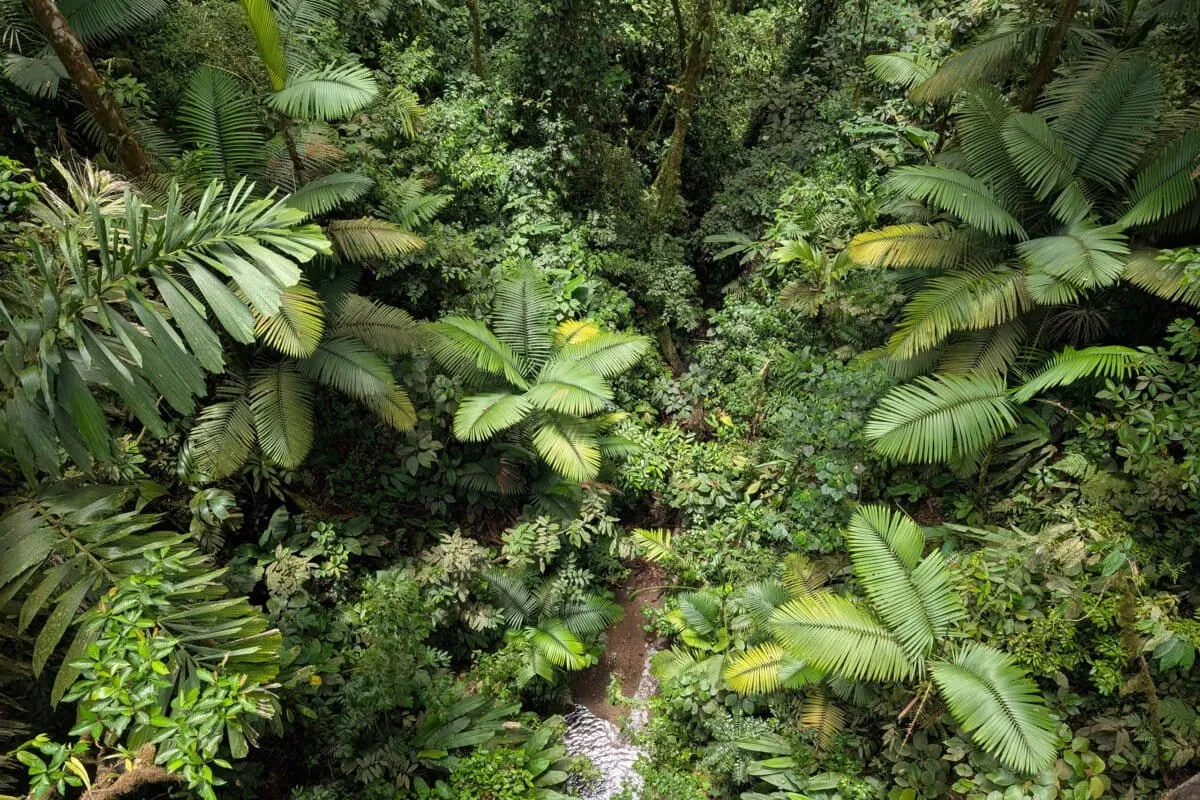
Birders rediscovered five bird species in 2025 that hadn't been seen in the wild for at least 10 years. These "found" birds are all native to islands in Southeast Asia and Oceania.
Two other birds were removed from the Lost Birds List in 2025. One was declared extinct, and another was reclassified as a subspecies. Earlier this year, a bird not seen in 94 years was also documented.
Six new species will be added to the list in 2026. These are birds not seen in the wild for a decade. This brings the total number of "lost" birds to 120, down from 163 when the list began in 2022.
We're a new kind of news feed.
Regular news is designed to drain you. We're a non-profit built to restore you. Every story we publish is scored for impact, progress, and hope.
Start Your News DetoxAn Early Warning System for Birds
The Lost Birds List tracks species that haven't been photographed, recorded, or had their genetic footprint detected for over a decade. This list is different from the IUCN Red List, which tracks extinction risk. The Lost Birds List acts as an "early warning system" for birds that might be in trouble.
John Mittermeier, director of the Search for Lost Birds project, said the list helps fill gaps in conservation data. It can spur action to protect species before they vanish. The project is a partnership between American Bird Conservancy, Re:wild, and BirdLife International.
Mittermeier and his team check public birding platforms like eBird and iNaturalist each year. They look for observations of lost birds to add them to the "found" list. He enjoys seeing the discoveries people make around the world. Similar "lost species" lists exist for amphibians, sharks, and primates.
Rediscoveries Bring Hope
In 2025, five "lost" birds were documented, all from islands in Southeast Asia and Oceania:
- Bismarck kingfisher (Ceyx websteri): Photographed in Papua New Guinea in May after 13 years.
- Biak myzomela (Myzomela rubrobrunnea): Photographed in Indonesian Papua, seen for the first time in two decades.
- Broad-billed fairywren (Chenorhamphus grayi): Photographed and its song recorded in Indonesian Papua after 11 years.
- Sulu cuckooshrike (Coracina guillemardi): First image in 18 years in the Philippines.
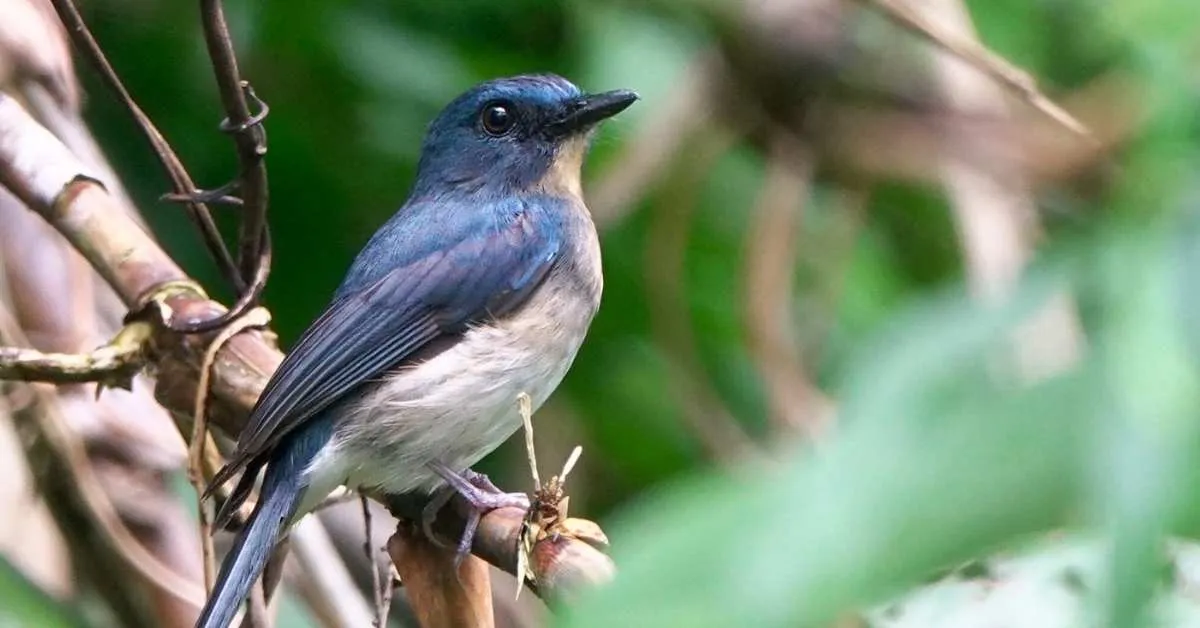
- Rufous-breasted blue flycatcher (Cyornis camarinensis): Photographed in the Philippines, last seen in 2008.
Harish Thangaraj also recorded the sounds of Jerdon’s courser (Rhinoptilus bitorquatus) in South India. This critically endangered nocturnal bird hadn't been documented in 125 years. However, scientists need more evidence, like photographs, to confirm its identity.
In February 2026, two French birders photographed a rusty bush lark (Calendulauda rufa) in Chad. This species, native to the Sahel, was last seen 94 years ago.
Changes to the List
Some "lost" birds are never found. In 2025, the slender-billed curlew (Numenius tenuirostris) was declared extinct. Habitat loss, degraded wetlands, and hunting led to its disappearance. It was last documented in 1995.
Genetic analysis also changed the list. The white-chested tinkerbird from Zambia, known from a single specimen in 1964, is now a subspecies of the yellow-rumped tinkerbird.
Mittermeier noted that while finding birds is exciting, understanding extinctions and reclassifications is also important. Knowing a bird is gone helps focus conservation efforts.
New Birds Added to the Lost List
In 2026, six new island species, each not seen for at least 10 years, will join the list:
- Mindoro bleeding-heart (Gallicolumba platenae): Critically endangered, last photographed in 2005.
- Mindoro imperial pigeon (Ducula mindorensis): Last documented in 2016. Both are from Mindoro Island in the Philippines.
- Guadalcanal honeyeater (Guadalcanaria inexpectata): From the Solomon Islands.
- Minahasa shortwing (Heinrichia simplex): From Indonesia, one of the few birds never photographed.
- Samoan white-eye (Zosterops samoensis): From Samoa.
- Vanikoro white-eye (Z. gibbsi): From the Solomon Islands.
Birds worldwide face steep declines due to habitat loss, hunting, climate change, and diseases like avian flu. Island birds are especially vulnerable because their habitats are small and threatened by invasive species and rising seas.
Despite these challenges, Mittermeier is hopeful. The birding community has already helped reduce the lost bird list by about 25% in five years. He believes it's possible to get the list down to zero, thanks to the global community's interest and power.