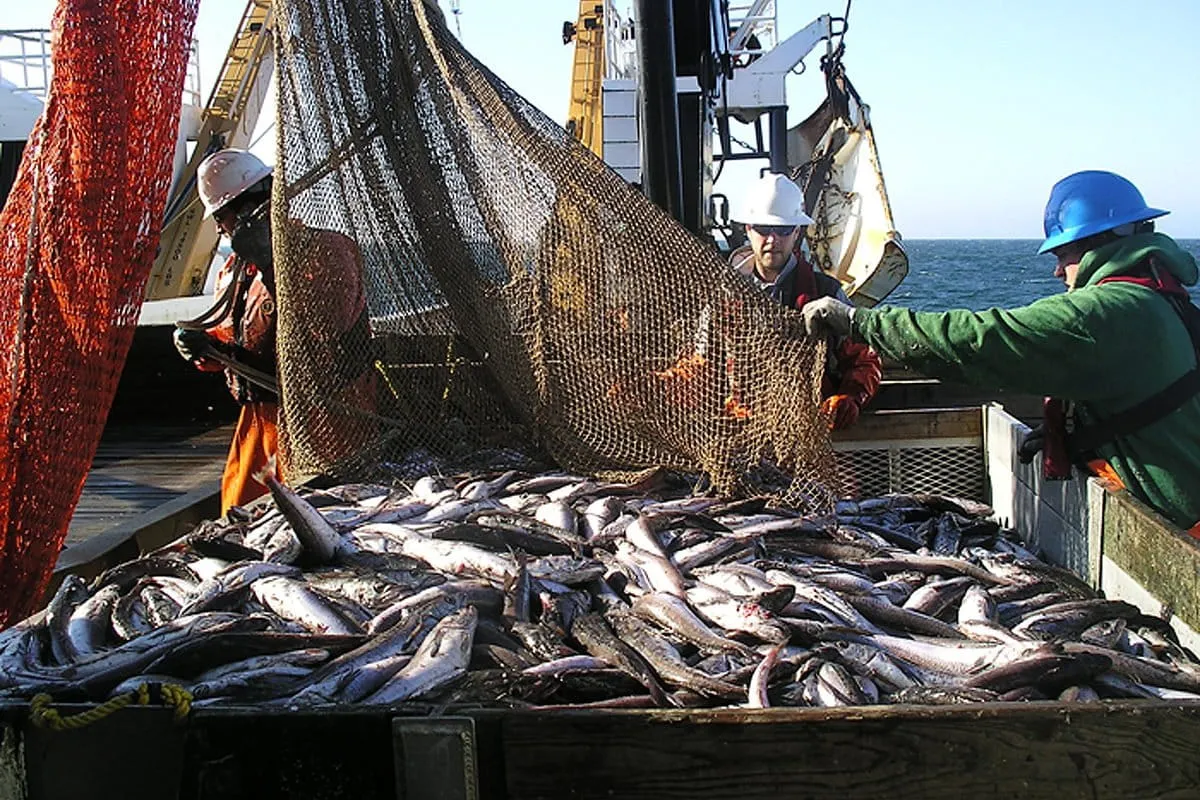
Fifty years ago, U.S. fisheries were in a bit of a pickle. A real tragedy of the commons, if you will. The kind of situation where everyone’s trying to grab as much as they can before it all vanishes, and, well, it was vanishing. Cod, haddock, flounder — the ocean’s buffet was getting dangerously sparse.
Enter the Magnuson-Stevens Act (MSA), signed into law on April 13, 1976. This wasn't just any environmental legislation; it was a game-changer that celebrated its 50th birthday this month, having pulled countless U.S. fisheries back from the brink of collapse and protected vital ocean habitats.

Back in the 70s, the environment was… colorful. Rivers literally caught fire, and cities were often shrouded in smog. The seas weren't much better. As Gib Brogan from Oceana put it, fishing off the U.S. coast was a free-for-all. Both domestic and foreign boats were in a frantic race to net everything they could, with international waters starting a mere 12 miles from shore. Beyond that, it was the Wild West of fishing.
We're a new kind of news feed.
Regular news is designed to drain you. We're a non-profit built to restore you. Every story we publish is scored for impact, progress, and hope.
Start Your News DetoxThis unregulated frenzy meant fish populations like groundfish and lobster were plummeting. They couldn't reproduce fast enough to sustain themselves, let alone an industry. Senators Warren Magnuson and Ted Stevens looked at this aquatic chaos and thought, "Perhaps we should do something."
And something they did. The MSA gave the U.S. control over a 200-mile exclusive economic zone, pushing foreign fleets out and establishing strict quotas and management plans. It was, frankly, revolutionary. Over the decades, it’s helped rebuild 49 fish stocks, injecting billions into the economy and securing jobs. It’s the quiet hero of your sustainable seafood dinner.

A Half-Century of Success, Now Under Threat
But here’s the kicker: after 50 years of undeniable success, conservationists are now wringing their hands. Why? Federal budget cuts. Because apparently, saving entire ecosystems and supporting a multi-billion dollar industry is something we can just… trim. The worry is that these cuts could undermine the very enforcement and scientific research that made the MSA so effective in the first place.
So, while we celebrate a half-century of smart, effective environmental policy, there’s a distinct feeling that someone might be trying to take the batteries out of our perfectly good fish-saving machine. Let's hope common sense, much like a healthy fish stock, can still make a comeback.