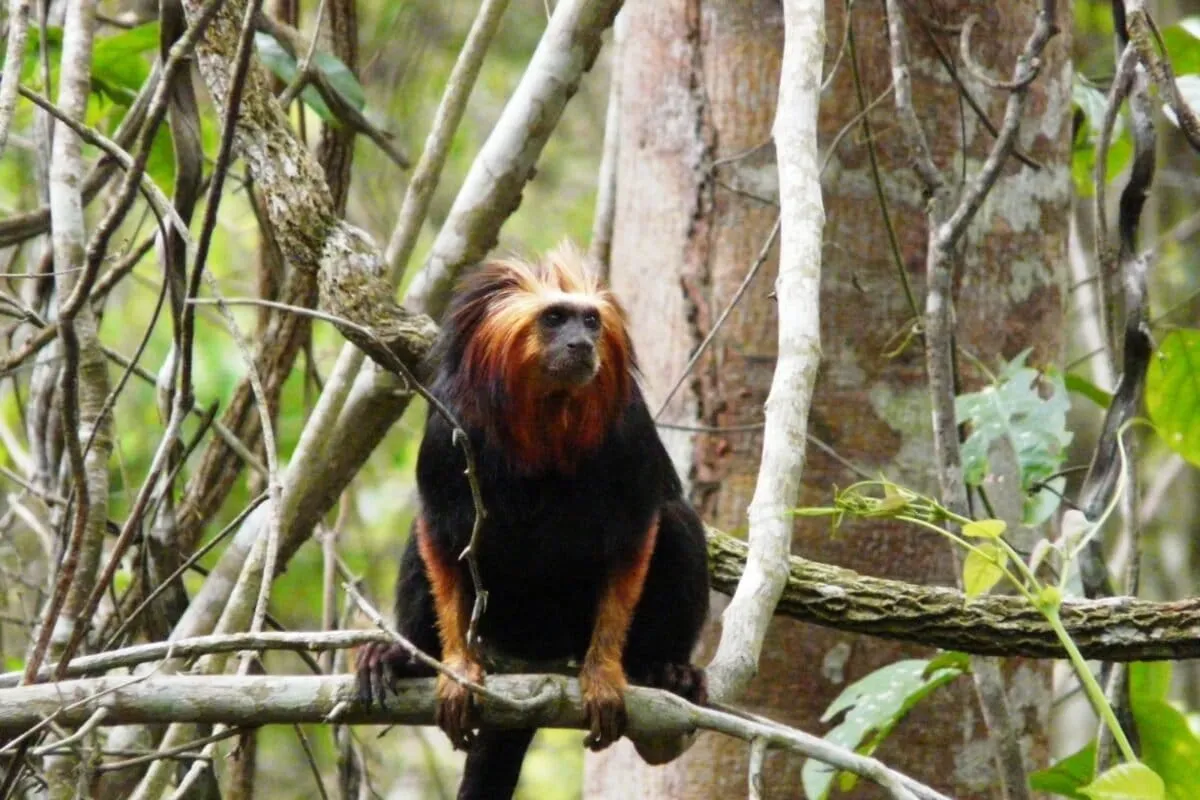
You know things are getting a little…cozy…when an endangered monkey species decides the local supermarket is a fine place for a snack. And that, friends, is exactly what the golden-headed lion tamarin has been doing in Ilhéus, Brazil, before it inevitably ends up running across power lines.
Good news: Brazil just opened its first-ever rehab center specifically for these striking little primates. Because when your natural habitat is shrinking faster than a budget after a holiday sale, and your main mode of urban transport is now a power line (resulting in, you guessed it, electrocution), you need a dedicated hospital.

These golden-headed beauties, named for their magnificent manes, are facing the ultimate squeeze. Their ancestral forests are being swallowed by expanding cities and vast, monotonous single-crop plantations. Think less lush, diverse jungle, more… monoculture. For a monkey, it’s like replacing a gourmet buffet with a single, giant, unpeeled potato.
We're a new kind of news feed.
Regular news is designed to drain you. We're a non-profit built to restore you. Every story we publish is scored for impact, progress, and hope.
Start Your News DetoxBiologist Leonardo Oliveira, who's spent two decades studying these tamarins, will be working with the new center. He points out that seeing these monkeys in your backyard or the local market isn't a sign of them thriving. It's a sign that you are now in their backyard. Which, if you think about it, is a slightly more polite way of saying, "Get off my lawn, human."
The Numbers Aren't Monkeying Around
Since 1992, the golden-headed lion tamarin's habitat has shrunk by a whopping 42%. We're talking from 22,500 square kilometers down to a mere 13,000. That's a lot of lost real estate for a creature that only lives in Brazil.
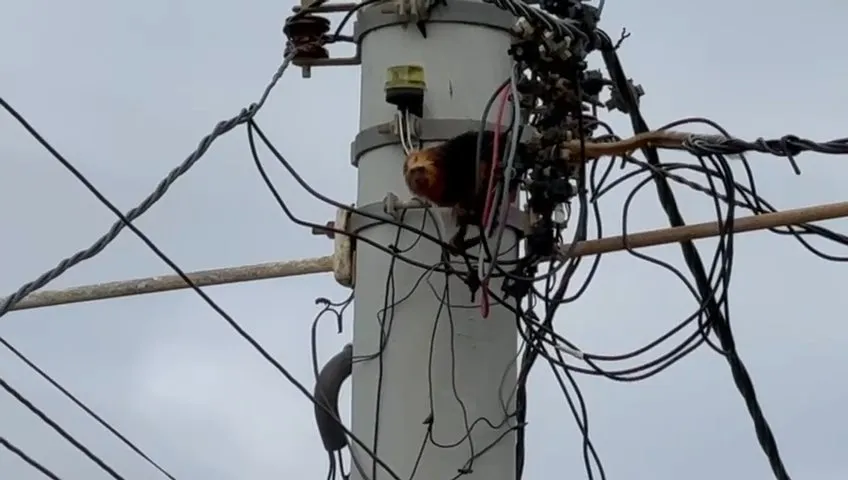
Unsurprisingly, their population has taken a nearly 60% hit. Thirty years ago, around 50,000 of these charismatic monkeys roamed. Today? A 2024 study puts them at fewer than 24,401. Let that satisfyingly precise number sink in. It’s a testament to how quickly urban sprawl can turn a vibrant ecosystem into a precarious tightrope walk between a supermarket and a power grid. The center is a start, because apparently, that’s where we are now.